Best iPhone Charging Cables Near Me: Safe, Durable Options
Learn how to find a safe, durable iPhone charging cable near you. This guide covers MFi certification, USB-C vs Lightning, shopping tips, and how Phone Tips Pro analyzes nearby options in 2026.


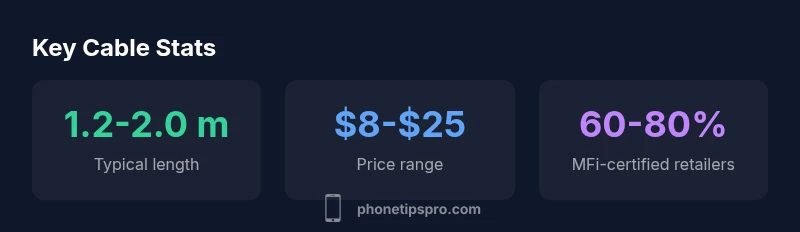
To find an iPhone charging cable near me, start with local electronics stores, big-box retailers, and authorized Apple resellers. For safety, look for MFi-certification and the correct connector (Lightning for older iPhones; USB-C for newer models). Phone Tips Pro analysis shows most nearby options are 1.2–2.0 meter braided cables, typically priced between $8 and $25 across mainstream stores nationwide.
Why finding an iPhone charging cable near me matters
In a world where our devices power work, communication, and entertainment, having a reliable charging cable within arm’s reach saves time and reduces frustration. The right cable is not just about convenience; it’s about safety, compatibility, and long-term value. From a practical standpoint, nearby options reduce logistics hassles, lower the risk of counterfeit accessories, and simplify returns or exchanges if a cable fails. Phone Tips Pro regularly observes that consumers who buy locally tend to get faster support for warranty claims and troubleshooting. When you search for an iPhone charging cable near me, you’re aiming for certified quality, easy access, and a cable that withstands daily wear. Be mindful of connector type, build, and certification status to ensure you don’t damage your device or void warranties over a cheap, non-certified option.
Understanding cable types: Lightning vs USB-C and compatibility
When you search for an iphone charging cable near me, you’ll encounter several architectures. The two most common connectors are Lightning and USB-C. Lightning cables are standard for older iPhone models, while USB-C cables fit newer iPhones when paired with a USB-C charger. Within each connector type, you’ll see variations in build quality, such as basic silicone jackets, braided nylon, and reinforced connectors. Braided cables tend to resist tangling and fraying better, which matters if you carry a cable in a bag or pocket. Additionally, many reputable sellers label MFi (Made for iPhone) certification, signaling compatibility and safety with Apple devices. If you’re shopping near you, verify that the cable’s licensing status matches your device and that the USB end aligns with your charger or power brick. This initial check saves time, reduces the risk of charging interruptions, and helps you avoid incompatibilities caused by non-certified accessories.
Safety and authenticity: How to assess quality in-store
Quality assessment starts before you touch a cable. Look for official or clearly labeled MFi certification, which indicates Apple-authorized compatibility. Inspect the connector for tight molding and a robust strain relief. A braided jacket often offers superior durability compared to a smooth silicone shell, especially if you frequently coil or stuff the cable into a bag. Check for frayed ends, loose connectors, or loose metal pins, which are red flags. In-store demonstrations can reveal if a cable charges consistently and doesn’t overheat. If a cashier or associate can’t confirm MFi status, request a barcode scan or a policy that ensures you can return a non-working cable. Remember, a certified, well-built cable reduces the risk of device charging problems and potential warranty issues.
What length to choose: finding the right fit for daily use
Cable length matters for comfort and usability. Shorter cables (around 1 meter) are great for desktops and car charging, while longer options (1.5–2 meters) provide flexibility on couches, bedsides, or game consoles. When choosing near you, balance portability with reach. In practical terms, a 1.2–1.8 meter braided cable is a versatile middle ground that minimizes tangling and maximizes convenience. If you travel frequently, keep a compact flat cable for packing. Always test a length in-store if possible to ensure it doesn’t become a nuisance or create tension on your iPhone’s port.
Where to buy near you: stores, kiosks, and trusted retailers
Finding a cable near you begins with well-known retailers and authorized resellers. Apple Stores, major electronics chains, and carrier shops typically stock a curated selection of cables, including MFi-certified Lightning and USB-C options. Local electronics boutiques and big-box retailers also offer a range of third-party options. When evaluating a store, check return policies and warranty terms, particularly for cables with braided exteriors or reinforced tips. If you’re shopping during peak hours, ask if the store can reserve a cable or put one aside. The goal is to secure a safe, compatible product without sacrificing convenience or support.
Online vs in-store: pros and cons for finding a cable close by
Online listings can mirror in-store availability when you search by “iphone charging cable near me,” but immediate pickup options vary by location. In-store shopping allows instant verification of certification, build quality, and return policy, which is especially valuable for first-time buyers. Some retailers offer curbside pickup or same-day availability, making it easier to get a cable without leaving your neighborhood. If you opt for online orders, choose retailers with generous return windows and clear documentation of MFi certification. In all cases, read label details and confirm compatibility with your iPhone model before purchase—this reduces the chance of incompatibility with your device’s port and charging standard.
Pricing and value: what affects cable cost and what to expect near you
Cable pricing varies by material, certification, and length. Expect basic silicone cables to be at the lower end of the range and braided or reinforced cables to be pricier. A typical near-me selection often falls within a modest range, with longer cables sometimes demanding a small premium. If you see significantly lower prices than the standard range, inspect the certification and build quality carefully. In the end, the safest choice is a cable that is clearly MFi-certified, with a solid connector and robust strain relief. Over time, the durability and reliability of a higher-quality cable can save you more money than repeatedly replacing cheaper alternatives.
Setup tips: using the right charger and cable together for optimal performance
The charging speed you experience depends not only on the cable but also on the charger. For fastest results, pair a USB-C to Lightning or USB-C to USB-C cable with a compatible USB-C charger that supports higher wattage (where appropriate for your iPhone model). Avoid using adapters or non-certified hubs, which can bottleneck charging speed or cause heat buildup. If you’re unsure about compatibility, consult the store’s tech staff or reference Apple’s official guidance. Always unplug chargers when not in use and inspect the cable regularly for wear.
Care and maintenance to extend cable life
To maximize longevity, avoid bending cables near the connector, coil loosely for storage, and keep cables away from sharp objects. Clean connectors with a dry cloth to remove dust or lint. If you notice any cracking, fraying, or loose connections, replace the cable promptly to prevent potential device damage. For frequent travelers, consider carrying a spare cable in a protective pouch. Regular inspection and mindful storage can dramatically extend the life of your iPhone charging cable and keep your devices reliably powered.
Cable type comparison for iPhone charging cables
| Cable Type | Connector Ends | Primary Use | Durability Hint |
|---|---|---|---|
| Lightning to USB-A | Lightning & USB-A | Older iPhone models with traditional adapters | Standard silicone jacket: moderate durability |
| Lightning to USB-C | Lightning & USB-C | Modern adapters and newer devices | Braided or reinforced: good durability |
| USB-C to USB-C | USB-C & USB-C | Recent iPhone models with USB-C chargers | High durability with quality materials |
FAQ
What does MFi-certified mean for iPhone charging cables?
MFi stands for Made for iPhone. Cables with this label have been approved by Apple to meet its performance and safety standards, reducing the risk of damage or data issues. Prefer MFi-certified options when shopping near you.
MFi-certified cables mean Apple approved the accessory for safe use with iPhone. Look for the MFi logo when you buy near you.
Can I use USB-C to USB-C cables with older iPhones?
Only if your iPhone model supports USB-C. Older iPhones use Lightning connectors, so you’ll need a Lightning-based cable for those devices. For newer models like the iPhone 15, USB-C is standard.
Older iPhones use Lightning. USB-C cables work with newer models that have USB-C ports.
Are third-party cables safe for iPhones?
Safe third-party cables are typically MFi-certified and from reputable brands. Avoid non-certified, ultra-cheap cables, as they can overheat, fail, or damage the charging port.
Stick to MFi-certified third-party cables from trusted brands to stay safe.
Where can I find iPhone charging cables near me?
Look to Apple Stores, major electronics retailers, and authorized resellers in your area. These outlets often stock certified options and offer straightforward returns if a cable fails.
Check Apple Stores and major electronics retailers near you for certified cables.
What length should I choose for daily use?
Most people prefer 1.2–1.8 meters for everyday use—long enough to reach outlets but short enough to avoid clutter. If you charge on a couch or bed, consider a 1.5–2 meter option.
Aiming for about 1.2 to 1.8 meters covers most needs; go longer if you need more reach.
What is the typical warranty on third-party cables?
Warranty terms vary by retailer and brand, commonly ranging from a few months to a year. Check the specific policy at your chosen store and keep the receipt to ensure a smooth exchange.
Most cables come with a 3–12 month warranty; verify the policy at purchase.
“Reliable charging cables are not a luxury; they’re a safety measure that protects your device and data. Opt for certified, well-built options to avoid charging problems.”
Quick Summary
- Verify MFi certification before buying.
- Match the connector to your iPhone model.
- Prefer braided cables for durability.
- Shop at authorized retailers to ensure authenticity.
- Check warranty and return policies before purchase.