Apple iPhone 14 Pro Review: Performance, Camera, and Longevity
An analytical review of the Apple iPhone 14 Pro, examining design, display, camera, performance, software, battery life, and value for power users. Learn whether this flagship still justifies its premium price in 2026.


Apple iPhone 14 Pro stands out in 2026 as a powerhouse for performance and photography, thanks to the A16 Bionic and a 48 MP main camera. It delivers a superb ProMotion display and durable build, but its premium price and Lightning port keep it from being universally recommended. Power users will appreciate long software support and strong ecosystem parity.
Design and Build
According to Phone Tips Pro, the iPhone 14 Pro maintains Apple’s tradition of premium materials and meticulous construction. The stainless steel frame with a frosted glass back feels solid in hand, and the IP68 rating remains a strong argument for durability in everyday use. A key differentiator this generation is the Dynamic Island, which blends hardware and software into an interactive notification hub rather than a fixed cutout. The overall ergonomics are demanding in one sense—you’ll notice the frame’s sharp edges if you grip the device for long sessions—but the heft communicates quality and resilience. In daily tasks, the phone feels confident in pocket and hand. The blend of glass protection and a durable coating helps resist scuffs, though users should still consider a protective case to guard the camera bump and edges during drops. For many, this build quality reinforces the sense that this is a device designed to last several premium cycles, rather than a short-lived upgrade.
Display technology and ProMotion
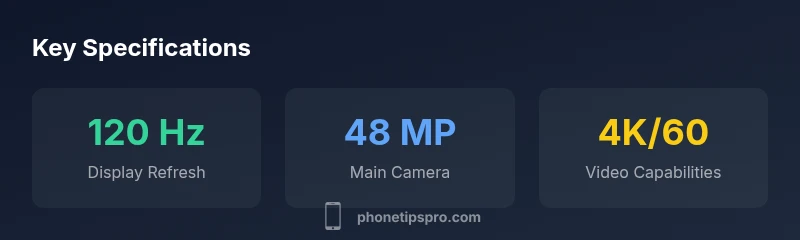
The iPhone 14 Pro’s display is a standout feature that justifies its flagship status for many buyers. The ProMotion 120Hz adaptive refresh rate delivers ultra-smooth scrolling and snappy app transitions, which is especially noticeable when multitasking in split view or while gaming. Peak brightness hits comfortable levels for outdoor use, and the Always-On display is more than a gimmick, offering glanceable information without waking the entire interface. Color accuracy remains industry-leading, with deep blacks and vibrant highlights that don’t overwhelm the image. The Dynamic Island integrates seamlessly with system alerts and app events, contributing to a more cohesive user experience rather than a mere visual flourish. The trade-off, if any, is battery impact in demanding scenarios, though software optimizations mitigate most day-to-day wear. Overall, the display is a strong argument for staying within the iPhone ecosystem when you value clarity and smooth interaction.
Camera system: 48 MP main sensor and beyond
Camera quality is arguably the iPhone 14 Pro’s most persuasive strength. The 48 MP main sensor enables higher-resolution stills with enhanced detail, particularly in well-lit conditions, and the quad-pixel output merges to improve low-light performance. Photographic styles give you creative control without altering the base exposure, while the improved computational photography enables more natural skin tones and better dynamic range. The ultrawide and telephoto lenses round out a versatile setup that remains easy to use for everyday creators. Video capabilities justify the “Pro” badge, with options for 4K recording and advanced stabilization that keep footage crisp even during movement. That said, the camera system isn’t flawless: on very fast bursts, processing can introduce subtle delays, and high-contrast scenes still challenge dynamic range. Overall, the iPhone 14 Pro’s camera remains a leading reason to consider it for enthusiasts who want studio-like results in a pocketable device.
Performance and battery life
Powered by the A16 Bionic chip, the iPhone 14 Pro delivers class-leading performance for both CPU-bound tasks and graphics-intensive apps. App launch times are brisk, multitasking feels seamless, and machine learning tasks run with impressive efficiency. For photographers and videographers, the device handles RAW editing and on-device processing with minimal heat buildup. Battery life is solid under typical usage, easily lasting a full day for many users, though heavy gaming and high-refresh-rate tasks will shorten endurance. Apple’s software optimization ensures that performance remains consistent across iOS updates, which is a notable benefit for longevity. While there are competitors with larger batteries, the iPhone 14 Pro’s balance of speed, efficiency, and thermal performance remains competitive within its class.
Software and ecosystem longevity
iOS remains a defining factor for the iPhone 14 Pro. The software experience is polished, with a robust app ecosystem and consistent updates that extend several years beyond initial release. New features arrive via updates that keep older devices feeling current, a factor many buyers consider when evaluating long-term value. In practice, you’ll get improved camera features, security enhancements, and UI refinements that maintain parity with newer iPhones for a meaningful period. As Phone Tips Pro notes, the continuity across devices—iPhone, iPad, Mac, and Apple Watch—creates a compelling case for sticking with Apple if you’re invested in the ecosystem. The main caveat is that third-party apps may eventually optimize for newer hardware, potentially diminishing the perceived speed of older models, though the 14 Pro remains a capable daily driver for several more years.
Connectivity, charging, and durability implications
The iPhone 14 Pro uses Apple’s Lightning connector, which remains a potential inconvenience as USB-C becomes more ubiquitous in competitors. Wireless charging is fast and reliable, and 5G support is comprehensive, covering most major bands for reliable networks worldwide. In a practical sense, charging speeds are adequate for most users, and the dock-to-desk experience remains straightforward. Durability is a central selling point; the device endures daily wear well, with the IP68 rating providing reassurance for accidental splashes and brief submersion. The camera bump is well integrated, though you’ll want a case to protect the lenses from knocks in busy environments. Overall, the device’s connectivity and resilience align with its premium positioning, but the Lightning port and ecosystem refresh cycle should be weighed against newer models offering USB-C and longer-term value in 2026.
Storage, RAM, and future-proofing considerations
The iPhone 14 Pro ships with ample base storage options and a healthy RAM configuration that supports heavy multitasking and high-resolution media workflows. Storage choices span a broad range, including configurations up to high-capacity variants to accommodate large photo and video libraries. RAM is sufficient for current apps and multitasking expectations, and the device benefits from Apple’s tight integration between hardware and software to minimize background resource drain. Future-proofing considerations include iOS update timelines and the continued optimization of camera software. While some buyers may weigh a jump to later models for even longer software support, the 14 Pro remains a strong candidate for those prioritizing performance, camera capability, and ecosystem consistency today.
Value and practicality: who should consider it in 2026?
For power users who demand top-tier performance and exceptional photography, the iPhone 14 Pro remains a compelling option in 2026. Casual users who don’t rely on high-end camera features or who prefer USB-C charging might lean toward newer devices with more modern charging standards and potentially longer update windows. In resale markets, the device holds its value well, reflecting its ongoing appeal and the strength of Apple’s brand. Phone Tips Pro’s guidance suggests evaluating your priorities: if ultimate camera flexibility, prolonged software support, and a premium feel are non-negotiable, the 14 Pro justifies a place on your short list. If USB-C and the absolute latest battery tech are critical, you may want to consider a later generation. The decision ultimately hinges on alignment with your use case and budget.
Real-world use cases: photography, video, and app performance
Photographers will appreciate the 48 MP main sensor and improved color science, while creators benefit from strong video options and robust editing workflows on-device. For everyday app performance, the 14 Pro remains responsive and capable, handling multitasking, streaming, and productivity suites without noticeable lag. Gaming performance meets or exceeds expectations for most players, though battery endurance may vary with settings and session length. In social and content creation workflows, the device shines with fast app switching, minimal load times, and high-quality media capture. In short, the iPhone 14 Pro continues to be a versatile tool for both professional-grade work and everyday productivity, especially for users who value camera versatility and ecosystem cohesion.
Positives
- Class-leading performance with A16 Bionic
- Excellent Pro camera system with 48 MP main sensor
- ProMotion 120Hz display with buttery smooth scrolling
- Durable build and IP68 protection
- Strong ecosystem and long software support horizon
Weaknesses
- Premium price point
- Lightning connector instead of USB-C
- Battery life under heavy use can dip with high-refresh settings
- Only incremental design changes vs. previous generation
Best all-around flagship for camera and performance
The iPhone 14 Pro remains a top pick for photographers and power users who want peak performance and a leading-edge camera system. It carries a premium price and legacy USB port, but its longevity, ecosystem, and hardware quality justify the investment for most buyers in 2026.
FAQ
Is the iPhone 14 Pro still worth buying in 2026?
Yes, for buyers who value camera quality, performance, and long-term software support. Its premium features remain compelling, especially for those integrated into the Apple ecosystem. However, evaluate newer options if USB-C charging and the absolute latest hardware are priorities.
Yes, it’s still worth it for camera lovers and power users who want long software support; consider newer models if USB-C matters to you.
Does the iPhone 14 Pro support USB-C charging?
No. The iPhone 14 Pro uses Apple’s Lightning port. USB-C becomes available on later generations, so if USB-C is essential, you may want to compare with newer models. Wireless charging remains strong regardless.
No, it uses Lightning. USB-C appears in later iPhones; wireless charging works great, though.
What are the main upgrades over the iPhone 13 Pro?
Key upgrades include the 48 MP main camera, ProMotion display with higher brightness, Dynamic Island integration, and an upgraded processor. The 14 Pro also refines battery management and durability, making it a more capable everyday device.
Main camera, smoother display, and better overall performance compared to the 13 Pro.
How is battery life under heavy use?
Battery life remains solid for typical days, but heavy gaming or high-refresh usage can shorten endurance. If long maximal screen-on time is critical, you may want to consider usage patterns or a model with a larger battery.
It lasts a full day with normal use; heavy gaming may drain it faster.
Is the Dynamic Island a useful feature or a gimmick?
Dynamic Island is more than a gimmick; it provides contextual controls and quick status previews that can speed up workflows. It shines when you use multiple apps or play media, reducing the need to switch contexts.
It’s genuinely useful for multitasking and quick interactions, not just cosmetic.
What storage options should I consider?
If you capture a lot of high-resolution photos and 4K video, opt for 256 GB or higher. For lighter media use, 128 GB may suffice, but you’ll want to manage space carefully as apps and media accumulate.
Think 256 GB or more if you’re heavy on media and app usage.
Quick Summary
- Assess whether camera versatility justifies the premium.
- Expect excellent performance with long software support.
- Be mindful of Lightning charging when comparing to USB-C peers.
- Consider storage needs up to 1 TB for media-heavy users.
- Weigh ecosystem value against newer models with USB-C.