iPhone 16 Pro Desert Titanium: Design, Durability, and Buying Guide
Explore the iPhone 16 Pro Desert Titanium concept—durability, camera, software, and buying guidance. Learn how a titanium chassis could affect weight, heat, longevity, and how official color availability matters in 2026.


Design and Materials: Desert Titanium Concept
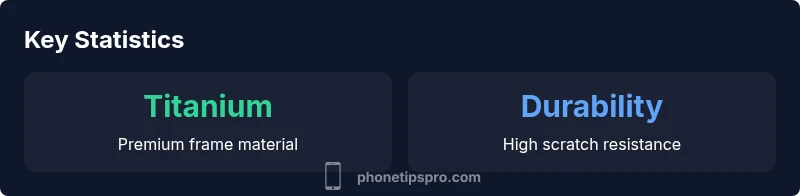
The idea of a Desert Titanium finish for the iPhone 16 Pro centers on a titanium chassis with a sand-inspired matte coating. Titanium alloys offer corrosion resistance and a high strength-to-weight ratio, but the final weight and feel hinge on the specific alloy, the attachment points, and the glass-back design. In practice, a titanium frame could reduce flex under stress and improve long-term durability, while potentially increasing production cost and heat generation during heavy workloads. For buyers, titanium finishes often convey premium perception and may resist daily wear better than aluminum in some scenarios, but they also impart different tactile feel and maintenance needs. In 2026 discussions, enthusiasts distinguish between a theoretical titanium option and confirmed color shades; until Apple or carriers confirm, treat Desert Titanium as a concept rather than a guaranteed variant. Throughout this section, the focus remains on how such a finish could influence real-world use, not just aesthetics, and how to evaluate it against traditional finishes like Space Gray or Silver. Some discussions even refer to the term iphone 16 pro desert titanium as shorthand for a desert-sand titanium finish on the next flagship.
Display, Performance, and Efficiency
Display and performance expectations for a high-end iPhone in this hypothetical Desert Titanium lineup align with the Pro tier: a bright, color-accurate OLED panel with ProMotion support for a fluid 120 Hz refresh rate, and robust peak brightness for outdoor viewing. The material finish itself does not change the panel, but heat management and chassis rigidity can influence throttling during long gaming sessions or 4K video rendering. A newer system-on-a-chip and memory optimizations would drive improved energy efficiency, translating to better real-world battery life and cooler operation under sustained loads. Software optimization remains the primary lever for performance, yet users often perceive lighter devices when the frame resists flex and warps under heat. In sum, the Desert Titanium concept would shape user experience mainly through durability and thermals rather than display tech; the actual experience depends on final engineering decisions and firmware tuning, not color alone. Analysts also note that discussions around iphone 16 pro desert titanium often explore how color narratives intersect with material science, even when official specs are absent.
Camera Capabilities and Imaging Software
Camera performance on any Pro model hinges on sensor quality, image signal processing, and computational photography, all of which typically improve year over year. If a Desert Titanium variant existed, the chassis material could influence heat dissipation around the camera module, potentially affecting long-duration video shooting or high-ISO performance. The color of the finish itself does not directly change lens specs, but a better-vented frame could enable more aggressive processing without thermal throttling. Expect better HDR, improved noise reduction in low light, and more refined color rendering as Apple refines its Sensor-Shift stabilization and computational pipeline. Until official specs arrive, view this section as a discussion of how durable materials interact with imaging hardware in a premium device, not a guaranteed feature list.
Battery Life, Charging, and Real-World Use
Battery endurance on a titanium-bodied iPhone will depend on the combination of energy-efficient silicon, software, and battery chemistry, not solely on color. A Desert Titanium version would likely incorporate continued support for MagSafe, wireless charging, and fast charging via USB-C in line with Apple's broader ecosystem shifts. Heat management is a practical factor: if the titanium frame improves heat spreading, it could sustain higher peak loads longer, potentially preserving battery health over time. Real-world use patterns—video streaming, gaming, camera workloads, and productivity tasks—drive daily endurance more than nominal capacity alone. We'll emphasize that color mainly affects aesthetics, while durability, charging experience, and battery longevity hinge on software optimization and hardware engineering.
Software Experience and Ecosystem
iOS updates drive performance, security, and new features, regardless of chassis material. In a hypothetical Desert Titanium edition, the software experience remains centered on iOS efficiency, app compatibility, privacy protections, and ongoing security updates. The hardware change could influence thermal headroom, which in turn affects sustained performance during heavy workloads, but the core experience—animations, multitasking, and gesture navigation—remains governed by software. We discuss how the latest iOS release leverages machine learning, on-device processing, and ecosystem features like iCloud, Find My, and MagSafe accessories, ensuring the titanium finish does not diminish software-driven capabilities. Consumers should weigh software maturity and ecosystem advantages alongside any material innovations.
Durability, Repairability, and Longevity
Durability discussions around titanium focus on scratch resistance, corrosion resistance, and rigidity. A Desert Titanium frame would likely fare well against daily scuffs and minor drops, but repairability may depend on frame complexity, adhesive bonding, and the availability of genuine replacement parts. Titanium repairs can be more specialized, potentially raising service costs and turnaround times compared with aluminum frames. Warranty coverage often depends on the type of damage and whether third-party parts were used. We advise readers to confirm official service channel policies and to consider extended warranty options if pursuing a titanium finish, especially in regions with limited access to authorized repair centers. Longevity will reflect how well Apple and suppliers optimize heat, battery health, and software support over time.
Practical Buying Guidance: Should You Wait for Desert Titanium?
Before waiting for a color option that may or may not arrive, buyers should compare current iPhone 16 Pro configurations with practical needs: camera quality, battery life, storage, ecosystem support, and price. If durability and a premium finish are decisive, a titanium concept could justify premium but may not translate into better everyday performance. We recommend building a decision checklist: confirm official confirmation and release timing, compare current color options and their availability in your region, review long-term reviews focusing on heat, battery health, and reliability, and consider how resale value might be affected by color choices. The key is to balance aesthetic appeal with actual features and future software support rather than relying on rumors.
Color Options, Availability, and Regional Considerations
Color availability often varies by region and carrier programs, and a Desert Titanium finish could be limited to certain markets if released at all. Buyers should monitor official Apple announcements and carrier pages for confirmations, release timelines, and pricing guidance. In the absence of confirmed details, consider how your choice of finish aligns with accessorizing—cases, screen protectors, and MagSafe accessories—and how regional supply chains might influence price and stock. This section highlights the practical reality: colors come and go, but performance, reliability, and ecosystem compatibility remain the core drivers of satisfaction.
How to Evaluate Titanium Materials in Future iPhone Releases
Evaluating new materials in flagship devices requires a structured approach. Start with tangible criteria: weight distribution, thermal performance, scratch and corrosion resistance, repairability, and compatibility with existing accessories. Compare hypothetical titanium variants to established finishes using a standardized checklist: conduct field tests or rely on credible early reviews; assess real-world heat during gaming and video tasks; review battery longevity and charging behavior under thermal stress; and consider whether any material change meaningfully improves daily use. This framework helps separate plausible engineering enhancements from marketing claims, guiding decisions for power users and brand enthusiasts alike.