iphone who is blue: Understanding blue color options across iPhone models
Discover which iPhone models offer blue finishes, how blue hues differ by generation, and expert tips from Phone Tips Pro on choosing and caring for a blue iPhone.


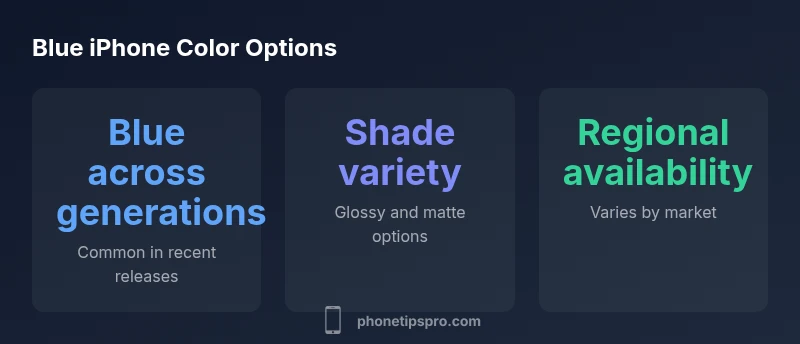
Blue is a common color finish offered on several iPhone generations. Availability depends on the model and region, but many recent iPhones include a blue option among the official color finishes. If your question is who is blue, the answer is that multiple models feature blue hues, so check the color options listed for your specific iPhone generation.
Why blue resonates in the iPhone ecosystem
Blue resonates in the iPhone ecosystem for historical, aesthetic, and marketing reasons. In the context of iphone who is blue, readers want to know which models feature blue finishes and how this color affects perceived value. Over multiple generations, blue has been positioned as a versatile accent that pairs well with both light and dark UI themes, helping icons and text maintain contrast under varying lighting. The color also signals emotional warmth without appearing overly playful, striking a balance between premium seriousness and personal expression. For many buyers, color is a proxy for device identity, so blue often becomes the first question after model and storage. Apple has rotated blues in its lineup, sometimes introducing limited-time shades to refresh interest. When evaluating a blue iPhone, consider not just the hue but the finish (glossy vs matte), coating durability, and how the color ages with fingerprints. In store demos and online spec pages, you’ll see the shade described with terms like “blue,” “Pacific Blue,” or “midnight blue” depending on the year. Phone Tips Pro recommends verifying whether your chosen blue is a standard finish or a limited edition, and to compare it under natural light before purchasing.
How Apple handles color naming and finishes across generations
Apple's color naming is intentionally simple yet nuanced, often using plain color names with occasional regional variants. The company markets blue as a core finish across many models, but the exact shade can change year to year. Across generations, the same color finish may be described differently on official pages and retailer listings, causing confusion for shoppers who rely on color to match accessories. The naming strategy also reflects material choices (aluminum vs glass) and coatings that affect glare. For example, a blue option on a glass-backed model may appear lighter in certain lighting than the aluminum variant. Apple also uses limited-edition blues for special events, which complicates the decision for users who want consistency. When comparing blue iPhone options, focus on the official color name as listed on the product page, and cross-check with retailer photos that show the device in daylight. The result is that “blue” is often a stable concept, but the exact look is model-specific. Phone Tips Pro suggests building a simple color comparison chart for the models you’re considering.
The impact of blue on readability and UI perception
Blue finishes influence perceived readability and user interface perception in subtle ways. While the display remains the primary driver of legibility, the hue of the device’s exterior can affect perceived contrast, especially in bright daylight or reflective environments. A blue iPhone with a glossy finish may show more fingerprint marks, which can slightly shift perceived color depending on lighting. Matte blues tend to hide fingerprints better but can look different under certain light temperatures. Users who pair their device with blue-case accessories should consider how the combined color affects screen visibility and icon clarity. For photographers and designers, the blue finish also interacts with white balance in product photos, making neutral lighting crucial for accurate color representation. Overall, blue is a practical choice that maintains a premium look while offering personality, particularly when paired with white or light-gray user interfaces and wallpapers.
Practical steps to pick a blue iPhone (and alternatives)
- Check the official color options for your target model on Apple’s product page. 2) Compare blue shades across retailers, paying attention to finish type (glossy vs matte). 3) Inspect daylight photos of the device to assess true color under natural lighting. 4) Consider your accessories and case choices; a blue phone paired with a white case often looks clean and modern. 5) If you want a consistent shade, choose a model with a stable blue option rather than a limited-edition color. Alternatives include selecting a neutral color (black, white, silver) that complements your lifestyle while preserving resale value and ease of matching accessories.
Regional availability and color naming conventions
Color naming can vary by region due to local marketing strategies and supply chains. Apple sometimes releases a blue variant in specific markets or as part of a limited run. Shoppers should review the official product pages for their country and compare with authorized retailers to confirm availability. Brand terminology such as “blue” can refer to multiple shade families across generations, so cross-check the exact hue description and finish to avoid mismatches with cases and accessories.
Maintenance and protection for blue finishes
Blue finishes, especially glossy variants, are susceptible to fingerprint marks and micro-scratches. Regular cleaning with a microfiber cloth and avoiding abrasive surfaces helps preserve the hue. Using a clear protective case reduces the risk of color wear while keeping the blue appearance intact. If you notice color fading or uneven patches, consult an authorized service provider to inspect the finish and determine whether refinishing or coating maintenance is appropriate.
The future of blue colors in iPhone design
As iPhone design evolves, manufacturers experiment with new blue tones, finishes, and coatings. The long-term trend suggests blue will remain a staple option, though the exact shade and finish may shift with materials and manufacturing processes. Buyers should expect color palettes to expand subtly while retaining the classic blue as a recognizable brand element. Phone Tips Pro anticipates ongoing refinement rather than wholesale color overhauls, ensuring blue remains a reliable choice for branding and personal expression.
Blue color availability across iPhone generations
| Aspect | Blue Availability | Notes |
|---|---|---|
| Color finishes by model | Variable by generation | Check Apple's official color options per model release |
| Shade range (finish types) | Glossy and matte options | Blue tones differ by year and finish |
| Regional availability | Region-dependent | Some colors released in limited markets |
FAQ
Is blue always available on every iPhone model?
No. Color options vary by generation and region. Always check the official specs for your model to confirm blue availability.
Color options change by model and region, so check the official specs for blue availability.
Which current iPhone models offer blue finishes?
Blue finishes appear on many recent generations, but exact models depend on the year and market. Verify on Apple’s product pages for the latest details.
Blue finishes show up on many recent iPhones, but confirm on the official page for the latest info.
Are blue iPhones more prone to scratches?
Color finish sensitivity depends on the coating. Glossy blues may show fingerprints, while matte blues hide them more but can appear different in lighting.
Scratch visibility depends on the finish. Glossy blues show fingerprints more; matte blues hide fingerprints better.
How do I identify a genuine blue iPhone in-store?
Compare the model’s official color name on Apple's product page with in-store labeling and retailer photos taken in daylight.
Check the official color name on the product page and compare with daylight photos in-store.
Can I change my iPhone color after purchase?
Color is a hardware finish. To switch colors, you would need to purchase a different device; cases can modify perceived color.
You can't change the device color after purchase; you can use cases to alter the look.
Do blue finishes affect resale value?
Resale value is more strongly influenced by device condition and storage, but popular colors like blue can improve appeal among buyers.
Color can affect appeal, but overall condition and specs matter more for resale.
“Blue finishes offer a consistent aesthetic across multiple iPhone generations, but exact shade and availability depend on the model. Always verify color options per model before purchase.”
Quick Summary
- Blue finishes are common on many recent iPhones
- Always verify the exact blue shade for your model
- Finish type (glossy vs matte) affects hue perception
- Regional availability can vary, check local listings