Is an iPhone a Good Phone? An In-Depth Review
Explore whether the iPhone is a good phone for most users, weighing performance, software updates, camera, privacy, and value. This Phone Tips Pro review analyzes strengths, trade-offs, and how to decide if an iPhone fits your needs in 2026.


Is an iPhone a good phone? For most users, yes. The device delivers reliable performance, a polished software experience, and strong privacy protections, backed by years of OS updates. Its camera system is versatile, the hardware is durable, and the ecosystem enables seamless cross-device use. Downsides include a premium price, less hardware customization, and some model-specific trade-offs. Overall, the iPhone remains a solid choice for daily reliability and resale value.
Why this question matters
Why might someone ask, “is an iPhone a good phone?” The answer isn’t only about horsepower or megapixels; it hinges on ecosystem, software longevity, privacy controls, and total cost of ownership. According to Phone Tips Pro, the decision often comes down to three pillars: sustained software updates, a coherent app ecosystem, and predictable performance over time. The iPhone’s reputation for reliability across generations makes it a strong candidate for a long-term device, but perceived value varies with budget and priorities. This section sets up a framework so you can compare the iPhone against your own criteria and lifestyle, not just specs. Remember that the best phone for you is the one that matches your usage patterns, budget, and tolerance for trade-offs.
Phone Tips Pro’s analysis suggests that choosing a phone is as much about experience and support as raw hardware. The iPhone’s strengths are consistency, privacy, and ecosystem depth, while its trade-offs center on price and flexibility.
What makes a phone 'good'?
A “good” phone delivers a dependable, intuitive user experience with predictable performance, a robust update path, and durable hardware. It should have a capable camera system, strong security features, long battery life under typical usage, and broad app compatibility. Beyond specs, a good phone should integrate smoothly with your other devices and services, reducing friction in daily routines. In this section, we break down the core criteria reviewers use: speed and reliability, software quality, camera versatility, privacy protections, durability, charging behavior, and total ownership cost. We also highlight how ecosystem advantages—AirDrop, iCloud, Find My, continuity features—can significantly impact everyday usability.
Is the iPhone a good phone overall?
Across generations, the iPhone consistently earns high marks for reliability, software polish, and privacy. It benefits from a curated hardware-software stack, frequent OS updates, and strong security controls that emphasize user control over data. However, verdicts vary by user: Android fans may prioritize customization or cost, while those deeply embedded in the Apple ecosystem often experience the most value. In this section, we evaluate real-world usage scenarios: daily tasks, gaming, photo/video capture, and multi-device workflows. We also discuss how model choice, storage, and battery health influence long-term satisfaction. The takeaway remains that for many, the iPhone is a dependable, long-term partner for productivity and creativity, even as price remains a consideration.
Performance and speed
Modern iPhones leverage efficient processors and optimized operating systems that deliver smooth scrolling, quick app launches, and responsive multitasking. Real-world performance depends on factors like RAM, app profile, and software updates. In practice, everyday tasks—messaging, browsing, video streaming—feel instant, while graphics-intensive games and pro apps benefit from recent generations’ improvements. One notable advantage is sustained performance over several years, thanks to Apple’s tight integration and software optimizations. We also compare common bottlenecks, such as thermals under heavy workloads and age-related slowdowns that can accompany aging batteries. This section helps you gauge whether your intended usage aligns with typical iPhone performance curves.
Camera quality and photography versatility
iPhone cameras have long been a benchmark for mobile photography, delivering reliable color science, true-to-life exposure, and a broad range of features. Across models, you’ll find strong daylight performance, excellent video capture, and user-friendly modes that simplify complex scenes. The system excels in consistency: you rarely need extensive post-processing to achieve compelling results. While Android rivals may offer more aggressive zoom or sensor tech in some models, the iPhone’s balance of detail, color accuracy, and consistent results makes it a favorite for everyday shooters and creators who value predictability over hyper-technical specs. We discuss how different lenses, sensors, and image processing affect your final images in practice.
Software experience and updates
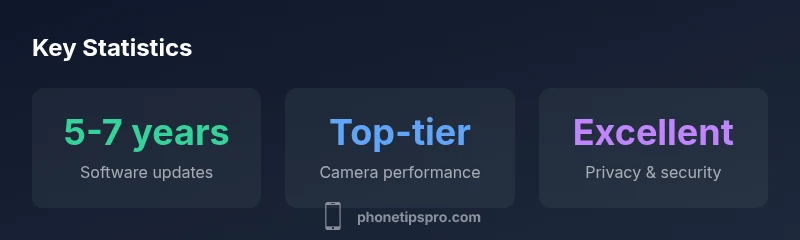
Software experience is a major differentiator for iPhones. iOS provides a coherent, intuitive interface, regular feature updates, and strong privacy settings that are easy to configure. Apple commits to multi-year updates, extending the usable life of devices and preserving app compatibility. This long-tail support is a cornerstone of real-world value for many buyers. We cover how performance and battery charge cycles interact with system updates, as well as the commitment to security improvements that protect you against evolving threats. If you depend on a predictable, secure software environment, this section explains why iPhone software quality matters.
Privacy, security, and controls
Privacy and security are among the most discussed advantages of the iPhone. On-device processing, app permissions, encrypted storage, and robust authentication options contribute to a strong security posture. Apple’s approach emphasizes user consent and minimized data sharing, which resonates with privacy-conscious users. We unpack practical privacy controls, like screen time, app tracking transparency, and Find My protections, plus the trade-offs that come with a closed ecosystem. For many, this combination of safeguards translates into higher confidence in daily device use and data protection.
Battery life and charging behavior
Battery performance varies with use, settings, and model. In typical scenarios, modern iPhones provide solid endurance for a full day of mixed usage, with fast charging and efficient energy management helping reduce downtime. We discuss how factors such as screen brightness, background apps, and software features like adaptive brightness influence real-world endurance. Battery health degrades gradually, but iPhone designs generally optimize for longer tunnel life thanks to charge management and software updates. We offer practical tips to maximize longevity and reduce unexpected shutdowns.
Value, pricing, and ownership cost
Price is an unavoidable consideration. iPhones carry a premium relative to many Android options, but the total cost of ownership can be favorable due to resale value, longevity, and strong software support. We analyze what you get for the premium: build quality, privacy protections, a cohesive ecosystem, and dependable updates that extend the usable life of the device. We also discuss budgeting considerations, trade-offs between base configurations and higher storage tiers, and how to factor accessories and services into the long-term cost. The bottom line: value must be judged against your needs and willingness to pay for a premium experience.
Alternatives and how to decide
If the iPhone isn’t the perfect fit, explore alternatives that prioritize different strengths—customization, price, or hardware openness. This section compares key competitors at a practical level, focusing on real-world use cases such as photography, gaming, productivity, and privacy. We provide a decision framework: list your must-haves, assess ecosystem dependence, estimate total cost of ownership, and try devices side-by-side when possible. We also outline a quick checklist for deciding whether to buy now or wait for the next generation. The goal is to help you choose the device that aligns with your daily habits and future-proofing needs.
How to decide if the iPhone is right for you
Concluding the evaluation, reflect on your priorities: ecosystem integration, software longevity, privacy posture, and total ownership costs. If you value a polished, dependable experience with strong privacy protections and you’re already invested in Apple services, the iPhone remains a compelling option. If customization, flexible price points, or broader hardware choices are more important, consider alternatives. This section ties together the previous analyses and offers a practical path to a confident purchase decision.
Positives
- Reliable performance and smooth user experience
- Strong privacy and security features
- Long software update horizon and ecosystem continuity
- Excellent camera versatility across scenarios
- High resale value and durable build quality
Weaknesses
- Premium price point compared to many rivals
- Limited hardware customization and repairability
- Battery life can vary with heavy use and aging devices
- Some models have restricted charging options or feature trade-offs
Strong overall for most users; best for those invested in Apple’s ecosystem
The iPhone offers reliable performance, extensive updates, and strong privacy protections, which justify its premium price for many buyers. If ecosystem continuity and long-term software support are priorities, this is a compelling choice. If cost or customization are primary concerns, weigh alternatives carefully.
FAQ
Is the iPhone a good choice for long-term use?
Yes. The iPhone is known for long-term software support, solid build quality, and a cohesive ecosystem that tends to retain performance over several years. While newer models may have higher upfront costs, the long update cycle often keeps devices current longer than many competitors.
Yes, for long-term use, iPhones offer strong software updates and ecosystem stability that keep devices reliable for years.
How long do iPhones typically receive updates?
Apple typically provides multiple years of OS updates for iPhone models, with longer support for newer generations. The exact duration depends on the model, but you can generally expect several major updates after purchase.
iPhone models usually get several years of updates, especially the newer ones.
Are iPhones better for privacy than Android phones?
iPhones emphasize on-device processing, permissions controls, and a privacy-centric approach in iOS design. Android devices vary by manufacturer, but Apple’s model generally offers consistent privacy features across devices.
iPhones tend to be strong on privacy due to on-device processing and clear controls.
Is the iPhone worth it for camera enthusiasts?
For many, yes. The camera system is reliable across lighting scenarios, with user-friendly modes and strong video capabilities. If you need the absolute highest zoom or specialized pro features, you might explore competitors, but the iPhone balances quality and ease of use well.
If you want reliable, great-looking photos and videos, the iPhone is a solid pick.
Should I buy a new iPhone or wait for the next model?
Consider your urgency, budget, and whether current features meet your needs. If you rely on cutting-edge hardware or specific updates, waiting could pay off; otherwise, a current model offers excellent value with strong longevity.
If you don’t need the latest features, the current model already offers great efficiency and long-term support.
What are the main downsides to consider?
Premium price and limited hardware customization are common downsides. Battery health and aging can affect endurance, and some features may feel constrained by the closed ecosystem compared to open platforms.
The main trade-offs are price and customization limits.
Quick Summary
- Assess whether ecosystem fit justifies any premium
- Expect long software support and ongoing security updates
- Prioritize battery health and model choice for longevity
- Balance storage needs with price to optimize ownership costs
- Consider privacy features as a core benefit when choosing