What Type of iPhone 17 Are There? A Practical Guide
Explore the likely iPhone 17 lineup, including base and Pro variants, storage tiers, regional differences, and buying strategies. This analytical guide from Phone Tips Pro helps you compare types and choose the best fit for your needs in 2026.


what type of iphone 17 are there describes Apple’s potential lineup by model tier, storage configurations, finishes, and regional variants. In general, you can expect a base model, a larger or enhanced variant, and a Pro line with more capable cameras and performance—plus storage and color options and regional differences like SIM vs eSIM. This framework helps buyers map their needs to the right type.
what type of iphone 17 are there
According to Phone Tips Pro, the phrase what type of iphone 17 are there captures the core question buyers ask when a new generation appears: what distinct options exist, and what features separate them? Historically, Apple has maintained a layered approach: a standard model for balance, a larger or more capable variant for power users, and a Pro line with enhanced cameras and processing power. Even if Apple renames or refines the lineup for the iPhone 17, the underlying decision framework remains consistent. This article uses that framework to help you evaluate which type best matches your daily routines, photography ambitions, and workflow needs. By aligning features with your use-case, you avoid paying for capabilities you’ll never use.
From a buyer’s perspective, the first task is to identify your primary use case. If you rely on mobile photography or videography, the Pro tier often offers superior sensors, more advanced stabilization, and higher-end software features. If your tasks are mostly messaging, browsing, and light gaming, the base model could suffice. Finally, consider how long you expect to keep the device and how much storage you’ll realistically need for apps, media, and offline content. This triad—purpose, performance, and capacity—drives the broader “types” discussion for the iPhone 17.
Base vs Pro: A quick taxonomy
In most generations, Apple’s lineup divides into base variants and Pro variants, with the Pro tier delivering a higher ceiling for processing power, photography, and display capabilities. The base model emphasizes efficiency, everyday usability, and cost-conscious choices. Pro models generally feature more RAM, extended camera rigs, quicker processors, and sometimes premium materials. When evaluating the iPhone 17, you’ll want to weigh whether an extra camera module or a brighter, faster screen translates into real value for your daily tasks. If you shoot photos or videos regularly, the Pro line may offer practical advantages, while casual users may find the base model perfectly adequate. The key is to map your typical day to the features that matter most, then verify those features against official specs once Apple reveals them.
Storage, color finishes, and memory options
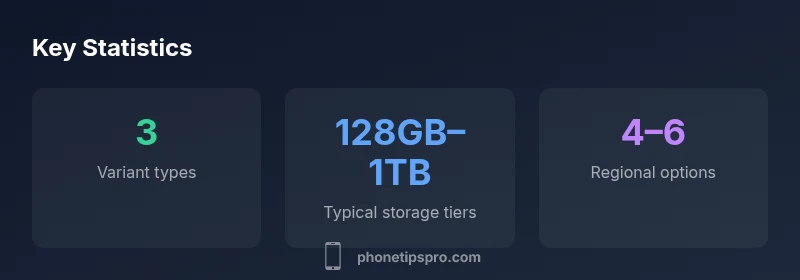
Storage and color are among the most tangible distinctions in any iPhone lineup. For the iPhone 17, expect multiple storage tiers (commonly available in several increments) and a selection of finishes designed to appeal to different tastes. Since exact configurations can shift by generation, plan around the risk of running out of space for apps, photos, and videos, especially if you capture high-resolution media or download large games. Color options not only affect aesthetics but sometimes correlate with durability or fingerprint resistance. When choosing, estimate your annual media burn rate and app footprint, then choose a tier that provides a comfortable margin for future use. Remember that pricing often scales with capacity, so a modest storage upgrade can provide noticeable long-term value.
Regional variants and SIM options
Regional differences matter when you’re comparing variants of the iPhone 17. In many markets, Apple has leaned toward eSIM-first configurations, while other regions continue to offer physical SIM or a hybrid approach. This split affects carrier compatibility, activation steps, and resale value. Before buying, confirm whether your target model supports eSIM only or includes a SIM slot, and check regional unlock status. If you travel frequently or buy devices for family members in different countries, you may want a model that preserves flexibility for multiple SIM configurations. Understanding these regional nuances will help you avoid surprises at activation and setup.
Display, camera, and battery considerations across types
Display technology, camera system, and battery life are the surest indicators of how the iPhone 17 types will differ. Pro variants typically offer brighter displays with richer color calibration, more versatile cameras, and faster silicon, all of which translate to smoother performance under load and better low-light capture. Base models emphasize efficiency to maximize battery life within a lower price point, often trading some peak performance for endurance and temperature stability. Battery health becomes a practical factor for older devices; consider your charging habits and whether you need features like fast charging or wireless charging compatibility. When choosing a type, prioritize the combination of display quality, camera capabilities, and real-world endurance that matches your daily routine.
How to evaluate which type to buy
Begin with a simple rubric: identify your top three use cases, estimate how much you’ll store, and decide how important photo/video quality is to you. Use this checklist to compare iPhone 17 variants once official specs are released: 1) Camera performance and video features; 2) Display brightness and refresh rate; 3) Processing power and RAM headroom; 4) Battery life under typical tasks; 5) Storage options and prices; 6) Regional SIM/eSIM support. Finally, consider future-proofing: a slightly higher-capacity model can extend the device’s useful life, potentially offsetting the higher upfront cost through longer relevance.
Common myths vs reality around iPhone model naming
A common myth is that more letters or numbers automatically means a better device. In reality, the difference between variants often centers on use-case alignment—Pro models for photography enthusiasts, base models for everyday users, and regional variations for activation and carrier support. Another misconception is that higher storage always equals better performance; while capacity matters, CPU/GPU improvements and software optimizations often drive the most noticeable gains. Check official specifications rather than relying on rumors, and use independent guides to corroborate claims. By separating hype from reality, you can pick the iPhone 17 type that genuinely suits your needs.
Practical buying tips for the iPhone 17 lineup
To finish strong, apply practical buying tips: set a budget, list must-have features, and consider trade-in value. Watch for official announcements, then compare Apple’s configuration pages with independent reviews. If you’re upgrading from an older model, think about how memory, camera features, and display technology align with your current workflow. Don’t overlook resale value and support lifespan, as these factors can influence total cost of ownership over several years. Finally, ensure any carrier plan or financing aligns with your usage pattern and upgrade cadence.
Hypothetical comparison of iPhone 17 variant types
| Variant Type | Key Considerations | Typical Features |
|---|---|---|
| Base | Balanced performance and price | Efficient chip, solid camera, long battery life |
| Pro | Advanced camera system | Higher-end sensors, enhanced video modes, premium materials |
| Pro Max/Ultra | Top-tier power and display | Largest display, best camera, longest battery life |
FAQ
Will there be an iPhone 17 Pro and Pro Max, and how will they differ?
Historically, Apple separates base and Pro models to offer advanced cameras and performance on the Pro lines. If the iPhone 17 follows this pattern, you can expect Pro variants with enhanced cameras, faster processors, and premium materials, alongside the standard model. Exact features will be clarified at the official launch.
Yes—look for Pro variants with better cameras and performance, but wait for Apple’s official specs for exact differences.
Will the iPhone 17 switch to USB-C or stay with Lightning in all regions?
Many regions are moving toward USB-C compatibility for future iPhones, while some markets may still support Lightning in earlier models. The official spec sheet will confirm the final decision for the iPhone 17, including any regional variations.
We expect broader USB-C adoption, but check regional specs when buying.
What storage options are typical for a new iPhone lineup?
In past generations, iPhones offer multiple storage tiers, commonly ranging from entry-level to high-capacity options. For planning, assume at least two to three tiers with a potential top-tier option. Exact capacities will be announced by Apple.
There are usually several storage choices; pick the one that fits your apps and media needs.
How should I decide which iPhone 17 type to buy if I upgrade from an older model?
Evaluate your current device’s performance, camera needs, and storage usage. If the upgrade brings meaningful gains in photography or battery life, a Pro variant may be worth it; otherwise, a base model often covers everyday tasks at a lower cost.
Compare what you’ll gain in camera, display, and speed to your current phone.
Are colors or finishes worth prioritizing for resale value?
Finish and color can influence resale appeal, but condition, storage, and overall functionality usually matter more. Choose a finish you’ll enjoy using, as color preference tends to affect desirability more than performance.
Color is mostly about preference, but it can affect resale interest.
“Choosing the right iPhone type is about matching your daily tasks with the model’s strengths. The Pro line tends to deliver the most meaningful gains for photography and performance, while the base model provides excellent value for everyday use.”
Quick Summary
- Identify your top use cases before selecting a variant
- Expect base, Pro, and premium Pro variants with tiered features
- Balance storage needs with budget to optimize total value
- Account for regional SIM/eSIM differences when buying
- Verify official specs when Apple announces the iPhone 17 lineup