When did iPhone 15 come out: release dates and rollout timeline
Learn exactly when the iPhone 15 came out, including keynote timing, preorder windows, regional rollout, and practical tips for planning upgrades. Phone Tips Pro breaks down the official timeline and what to expect in 2026.


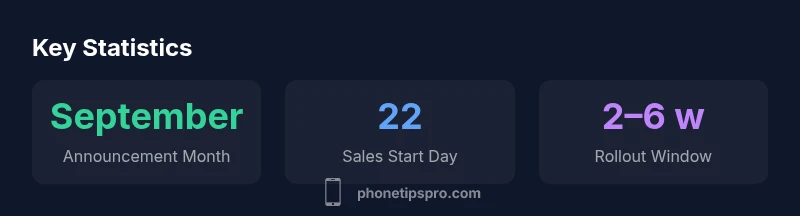
According to Apple’s official timeline, the iPhone 15 was announced on September 12, with sales beginning later that month. Preorders opened in the United States soon after, and a regional rollout followed over the next several weeks. Availability varied by country and carrier, reflecting Apple’s typical fall launch cadence. This quick answer helps you grasp the essential timing planks for planning an upgrade.
When did iphone 15 come out: release timeline
The question of timing is central for buyers and researchers alike. When did iphone 15 come out? Apple typically announces new models in early September, followed by sales a week or two later. The iPhone 15 launch pattern mirrors previous generations: a keynote to unveil features, a quick push to preorder in major markets, and a staged rollout to other regions. For readers of Phone Tips Pro, understanding this cadence is essential for forecasting stock, carrier offers, and potential promotions. By focusing on the cadence rather than a single date, you can plan upgrades around anticipated windows and avoid missing out on early stock.
The fall launch cadence explained
Apple’s fall launches are designed to maximize press coverage, carrier collaborations, and retail foot traffic. The iPhone 15 release cadence typically arts into three phases: an initial announcement and preorder window in the first few days, a broad sales window in the second week, and a region-by-region expansion over the following weeks. Factors influencing the schedule include supply chain constraints, regional regulatory approvals, and carrier readiness. For consumers following the phrase when did iphone 15 come out, the key takeaway is that the early window is the most reliable time to secure stock. As coverage expands, availability improves in most major markets, but some regions still experience slower rollout.
Preorder and stock considerations
Preorder windows are a critical planning tool for buyers. They often last around a week or two, with some regions offering even shorter windows during high-demand periods. If you plan to upgrade, setting alerts for the preorder start time helps you secure preferred configurations and colors. Stock levels can vary by model and storage option, especially on launch day. Keep an eye on carrier bundles and retailer promotions, which may influence early availability and delivery estimates. In practice, the best approach is to know your target model and set a reminder for preorder windows right after the keynote.
Regional rollout differences and what affects timing
Availability across regions hinges on multiple variables: production capacity, logistics, and local regulatory timelines. The US often receives stock first, followed by Europe, Asia-Pacific, and other markets over subsequent weeks. Differences in network compatibility, carrier subsidies, and regional marketing can also shift when customers can walk into stores or order online. If you live outside the first wave, you might still see inventory open up within a few weeks. The takeaway for readers asking when did iphone 15 come out is that patience and monitoring official channels pays off, even if your country isn’t in the initial batch.
How to verify release status in your area
Verifying your local release status is straightforward. Start with Apple’s official site and your carrier’s store page to check current stock and delivery estimates. Sign up for stock alerts and newsletters from trusted retailers to receive timely notifications. You can also visit local Apple Stores or carrier shops to confirm in-store availability and any launch-day perks. For people tracking the timeline, it helps to cross-check dates with multiple sources and note any regional variations in shipping windows.
Practical buying tips for launch day
On launch day, speed and accuracy matter. Prepare your configurations (color, storage, and accessories) in advance and sign into the retailer or carrier app before preorder begins. If possible, use multiple devices and Wi‑Fi networks to increase your odds of securing a unit. Consider unlocked models to avoid carrier delays, and review promotions that may offset the price through trade-ins or bundled accessories. After you place an order, enable delivery tracking alerts and be ready to adjust options if delivery estimates shift. Following these steps can reduce stress and improve your chances of receiving the device promptly.
How upgrade timing interacts with carrier plans
Carriers often run launch promotions that pair new devices with service plans. If you’re due for an upgrade, contacting your carrier early to confirm eligibility and potential discounts is wise. In some regions, carriers offer limited-time bundles or financing options during the launch window. If you want to maximize value, weigh the benefits of carrier promotions against potential price differences between retailers and the convenience of in-store pickup. The core idea is to align upgrade timing with both your needs and the best available offers.
Common pitfalls when tracking launch dates
A frequent mistake is relying on a single source for the timeline. Cross-check dates with official Apple announcements, carrier notices, and trusted tech outlets. Regional differences can cause confusion around preorder dates, sales start, and delivery estimates. Another pitfall is assuming every model will be available in every market on day one; some configurations may be delayed in certain regions. Finally, be mindful of shipping delays during peak demand periods, which can affect delivery windows even after you secure a preorder.
iPhone 15 rollout by region
| Region | Announcement | Sales Start |
|---|---|---|
| US & Canada | September 12 (keynote) | September 22 |
| Europe | September 12 (keynote) | September 29 |
| Asia-Pacific | September 12 (keynote) | early October |
FAQ
When did the iPhone 15 come out?
Apple announced the iPhone 15 on September 12, with sales beginning later that month. The rollout was staged, starting in major markets and expanding over several weeks.
Apple announced it on September 12, and it started selling in major markets soon after.
Was there a preorder window?
Yes, preorder windows typically opened shortly after the keynote and closed within a few days to two weeks, depending on the region.
Preorders typically opened shortly after the keynote and closed within days to two weeks, depending on your region.
Which regions had it first?
The initial launch targeted the US and major markets, followed by Europe, Asia-Pacific, and other regions in the subsequent weeks.
US and major markets went first, with Europe and Asia-Pacific following in the weeks after.
How can I check availability in my area?
Visit Apple’s official site or your carrier’s store to see current stock and estimated delivery times.
Check Apple's site or your carrier's store for current stock and delivery estimates.
Is it a good time to upgrade now?
If you value improved camera features, processing power, and display upgrades, the iPhone 15 offers these. Weigh the upgrade against your current device condition and budget.
If you want better cameras and performance, the iPhone 15 can be a solid upgrade; compare cost and your current device.
“Launch timing isn't random; it's a deliberate mix of product readiness, carrier agreements, and regional marketing. Understanding the pattern helps buyers time upgrades.”
Quick Summary
- Know the general cadence: announcement, preorder, then regional rollout.
- Preorder windows are limited; act quickly to secure preferred configurations.
- Availability varies by country and carrier; check multiple sources.
- Monitor official channels for the most accurate, up-to-date rollout status.