iPhone Buying Guide 2026: How to Choose the Right Model
Discover how to choose the right iPhone for buy with a practical, step-by-step approach. Compare models, storage, networks, and trade-ins for confident, smart purchases.


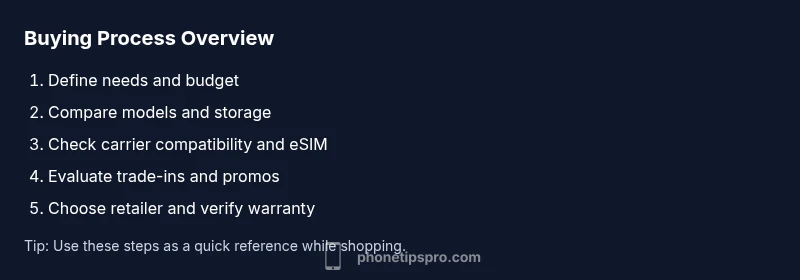
By following a clear buying plan, you can pick the right iPhone for buy based on budget, needs, storage, and ecosystem goals. This quick, practical guide breaks the process into steps—from defining priorities to comparing trade-in options—so you can shop confidently while avoiding common pitfalls. According to Phone Tips Pro, a well-structured approach yields smarter choices and better long-term satisfaction.
Why Brand Reliability Matters
When you’re shopping for a smartphone, brand reliability matters more than a flashy feature list. A reliable brand typically offers consistent software updates, solid build quality, and dependable after-sales support. For iPhone, Apple’s ecosystem tends to deliver long-term value through regular iOS updates, strong resale value, and widely available service options. According to Phone Tips Pro, brand reliability translates into smoother performance over years, better app compatibility, and fewer headaches when you need repairs or replacements. This is especially important if you plan to keep your device for several years. If you expect your phone to function well across iOS features, privacy protections, and accessory compatibility, prioritizing a brand with strong support reduces risk of frustration down the line. If you want a device that stays current longer, reliability is your best predictor of satisfaction. Phone Tips Pro Analysis, 2026.
Budgeting for Your iPhone for Buy
Professional budgeting for a major tech purchase means setting a flexible spending target while accounting for ongoing costs like storage, accessories, and potential repair needs. Start with a simple budget planning template and a transparent cost ceiling. Phone Tips Pro analysis shows that aligning purchase decisions with a documented plan reduces impulse buys and helps you compare offers more effectively. Use a two-column approach: upfront price and potential monthly costs in a payment plan or carrier plan. The goal is to know the total cost of ownership over the device lifecycle and avoid overpaying for features you won’t use. Keep notes in a dedicated app or notebook to track options and keep your purchasing plan aligned with your goals.
Choosing the Right Model
The iPhone lineup typically divides into base models, Pro models, and larger Pro Max variants, each serving different priorities. If you want portability and solid battery life, the base model often suffices; if you need higher performance for photo/video work or gaming, Pro options deliver more camera capabilities and faster processors. Consider your daily tasks, camera needs, and whether you value display quality or durability more. Create a short list of must-haves (for example, battery life or storage) and nice-to-haves (for example, premium materials). This helps you narrow choices quickly while preserving future-proofing and ecosystem compatibility.
Storage and Performance Considerations
Storage size directly affects how much you can store without cloud reliance, while performance governs app load times, multitasking, and gaming. If you regularly shoot high-resolution photos and 4K video, you’ll want extra storage or reliable cloud backups. Additionally, plan for app growth over the device’s lifespan, not just the first year. Pay attention to the processor’s efficiency and RAM expectations for smooth multitasking. A longer-term view often means selecting a model with ample storage and a capable chip, even if it costs a bit more upfront. This approach aligns with Apple’s emphasis on efficient hardware and software integration.
Carrier and SIM Options
Carrier choice impacts coverage, data speeds, and price. Today, eSIM is widely supported, which simplifies switching plans between devices. If you travel frequently or share devices with family members, make sure your chosen iPhone supports the networks you rely on and that the carrier offers favorable terms for upgrades and line changes. Check whether the retailer offers full activation assistance and whether your plan includes features like family sharing or device protection. A smooth activation process reduces the time between purchase and daily use.
Used, Refurbished, and Trade-In Options
Lower upfront costs can be attractive when buying an iPhone, but you’ll want to verify the warranty status and condition. Refurbished or trade-in options can offer significant savings, but check the seller’s refurbishment standards, return policy, and whether the device carries AppleCare or retailer protection. If you have a current device, compare trade-in values and ensure the payout method aligns with your budget. A careful evaluation of these channels can yield a better deal without sacrificing reliability or longevity.
Accessories and the Apple Ecosystem
Purchasing an iPhone is also an entry into the broader Apple ecosystem. If you already own an iPad, Mac, or Apple Watch, you’ll benefit from seamless handoff, iCloud sync, and cross-device features. When budgeting, account for essential accessories like a compatible charger, case, screen protector, and, if you use wireless headphones, a reliable set of AirPods or Beats. The ecosystem delivers convenience and a cohesive experience, increasing the overall value of your purchase over time.
Safety, Privacy, and After-Sales Support
Apple’s privacy protections and customer support are common selling points for buyers. Before buying, review warranty terms, activation coverage, and reputable service options in your region. If possible, select a retailer with clear return policies and accessible customer support channels. The long-term support strategy of the brand—especially software updates and security patches—will shape your device’s lifespan and security posture. The Phone Tips Pro team recommends prioritizing devices with robust support and explicit warranty details to maximize protection and peace of mind.
Tools & Materials
- Budget planning template(Spreadsheet or app to set max spend and monthly cost)
- Network compatibility chart(Check 5G bands and carrier compatibility for your region)
- Trade-in appraisal guide(Useful if considering resale value)
- Notes app or notebook(Capture model options, pros/cons, and questions)
- Reliable internet connection(Needed to compare specs and read reviews)
- Trusted retailer account access(For checking promos and warranties)
Steps
Estimated time: 30-60 minutes
- 1
Define needs and budget
Start by listing core needs such as camera quality, battery life, and software updates, and set a hard budget ceiling. This helps prevent over-spending and keeps options realistic. Consider long-term costs like accessories and storage, not just the sticker price.
Tip: Write down essential features and must-haves before comparing models. - 2
Compare models and storage
Create a short list of candidate models and compare cameras, performance, and storage options. Prioritize capacity if you take many photos and videos or use cloud backups. Avoid paying for features you won’t use.
Tip: Choose storage that accommodates several years of photos and apps. - 3
Check compatibility and ecosystem
Ensure the device fits your region’s networks and supports your existing Apple ecosystem. If you rely on iCloud, AirPods, or Apple Watch, verify compatibility to maximize continuity.
Tip: Assess cross-device features like Handoff and Continuity. - 4
Consider purchase channels
Decide between buying new, refurbished, or used, and check warranty coverage. Compare official retailer return policies and any extended protection plans to protect your investment.
Tip: Prefer retailers with transparent return windows and clear warranty terms. - 5
Evaluate trade-in and promos
If you have an old device, calculate its trade-in value and weigh it against promotional discounts. Ensure the trade-in method aligns with your budgeting goals and that the payout is redeemable toward the new device.
Tip: Ask about stackable offers or carrier promotions for extra savings. - 6
Make the purchase and verify
Place your order with a reputable retailer, verify activation, and confirm warranty coverage. Back up data from your old device and prepare for a smooth transfer to the new iPhone.
Tip: Immediately back up and transfer data after powering on the new device.
FAQ
What factors should I consider when buying an iPhone?
Consider your budget, storage needs, camera use, ecosystem compatibility, and warranty options. Prioritize models that balance features with long-term software support.
Focus on budget, storage, camera needs, ecosystem, and warranty when buying.
Is it better to buy new, refurbished, or used?
New devices come with full warranties; refurbished and used options save money but require careful checks of condition and return policies. Compare warranties and verify battery health.
New gives full warranty; refurbished can save money if checked.
How much storage do I really need?
Opt for storage that accommodates photos, videos, and apps over several years, plus room for backups. When unsure, choose a higher capacity to stay future-proof.
Choose enough storage for years of photos and apps.
What about carriers and eSIM?
Verify network compatibility and eSIM support with your carrier. If you travel or share devices, ensure easy plans switching and activation options.
Check compatibility and eSIM support with your carrier.
Should I use trade-in or promotions?
Trade-in and promos can lower upfront costs, but verify conditions and eligibility. Look for stackable offers and ensure you can apply savings to the new device.
Trade-ins and promos can save money if eligible.
Watch Video
Quick Summary
- Define a hard budget before exploring models
- Prioritize storage and ecosystem compatibility
- Check warranty and return policies before purchase