Is iPhone 14 Waterproof? IP68 Reality, Risks, and Tips
Learn whether the iPhone 14 is waterproof, what IP68 really guarantees, real-world limitations, and practical tips to protect your device around water and moisture.


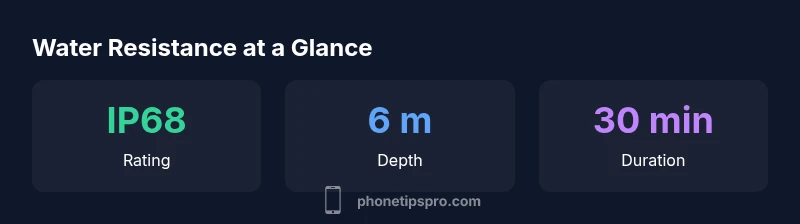
Is iPhone 14 waterproof? Not exactly. The device is rated IP68, meaning it can withstand immersion in water up to 6 meters for up to 30 minutes under lab conditions. In real life, water exposure varies and no liquid is fully safe. Treat the phone carefully around pools, seas, and showers.
What does waterproof mean for iPhone 14?
There is a common confusion between waterproof and water-resistant. The iPhone 14 carries an IP68 rating, which is a standardized testing outcome. This means the device can survive immersion in water under specific test conditions, not that it is invincible to all liquids or all depths. The exact phrase you’ll often hear is that the phone is water-resistant, not waterproof. For readers asking is iphone 14 waterproof, the short answer remains: the phone is protected against accidental immersion in water within defined limits, but it is not a guarantee against all moisture or liquid exposures in daily life. This distinction matters because real-world conditions—like splash from waves, rain, or spills on uneven floors—can behave differently from lab tests. The Phone Tips Pro team emphasizes staying mindful of both the environment and the device’s age, since seals and coatings can degrade over time.
Official rating and what it covers
Apple lists IP68 for the iPhone 14, which translates to protection from dust and submersion up to a depth of 6 meters for as long as 30 minutes. This is a lab-standard measure, not a guarantee across every scenario. If your phone is dropped in water deeper than 6 meters or left submerged longer than 30 minutes, the warranty may not cover resulting damage. Real-world results depend on factors like water salinity, temperature, and the duration of exposure. In addition, certain liquids, such as saltwater or chlorinated pool water, can be more corrosive and potentially affect ports and seals more quickly than freshwater.
Phon Tips Pro Analysis, 2026, reinforces that gradual wear from everyday use can erode gaskets and reduce protective performance over time. Users should treat the IP68 rating as a robust baseline—not a license to ignore risk around water.
Real-world implications and caveats
The IP68 designation implies strong protection in typical environments, but it does not grant universal waterproofing. Dust, humidity, and repeated exposure to moisture can slowly degrade seals, especially around ports and buttons. This means that occasional exposure to rain or a light splash is generally safe, but prolonged immersion, saltwater, or sugary beverages near the device deserve caution. A well-cared-for iPhone 14 may maintain its protective rating longer, but the actual resilience depends on the device’s age, prior exposure history, and maintenance practices. The Phone Tips Pro team advises users to avoid intentional underwater filming or submersion for extended periods and to use protective accessories when near water.
Post-exposure care and immediate steps
If your iPhone 14 gets wet, power it off, remove any case if possible, and dry the exterior with a soft lint-free cloth. Avoid charging the device until it is completely dry. If you suspect water infiltration near the speakers or charging port, use gentle air drying or a desiccant like silica gel. Never shake the phone or insert objects into ports to speed up drying. After drying, monitor performance closely and consider a professional inspection if you notice any irregularities.
Common myths debunked
- Myth: Submerging in cold water is safe because it’s “just water.” Reality: temperature and liquid properties affect sealing effectiveness.
- Myth: A quick rinse makes it safe. Reality: residual moisture can remain in seals, causing hidden damage over time.
- Myth: You can dunk it for a short moment and it’s fine. Reality: lab tests are controlled and not representative of everyday scenarios.
The Phone Tips Pro team highlights that IP68 is a protection standard, not a guarantee against damage from all liquid exposures.
Everyday use around water and moisture
- Rain and light splashes are usually manageable with basic care, but wipe dry and avoid plugging in immediately after exposure.
- When at the beach or pool, use a protective case and avoid submerging valuables with your phone.
- Post-exposure, rinse with fresh water if salt or chlorine is involved and dry thoroughly before charging. These practices help preserve the device’s protective features over time.
Water resistance at a glance
| Aspect | iPhone 14 Official | Notes |
|---|---|---|
| Water resistance rating (IP) | IP68 | Depth up to 6 meters for 30 minutes |
| Warranty coverage for water damage | Typically not covered under standard warranty | Policy varies by region |
| Care after exposure | Rinse with fresh water and dry | Avoid charging until completely dry |
| Usage around water | Safe in rain/splash | Avoid intentional submersion |
FAQ
Is the iPhone 14 waterproof?
No. The iPhone 14 is water-resistant with an IP68 rating. It can survive certain immersion under lab conditions, but it’s not waterproof in all scenarios.
Not exactly. It’s water-resistant with an IP68 rating, meaning it can handle some immersion in lab tests, but it isn’t waterproof in everyday use.
Can I use iPhone 14 in the rain?
Yes, light rain or splashes are generally safe, but avoid heavy rain, submerging, or exposure to liquids near ports.
You can use it in the rain, but avoid submerging it or exposing ports to moisture.
Does water damage affect warranty?
Water damage is often not covered under standard warranties; regional policies may vary, so check your terms.
Water damage isn’t usually covered by standard warranties, but check your regional policy.
Is saltwater worse than freshwater?
Saltwater can be more corrosive; rinse with fresh water after exposure and dry thoroughly.
Saltwater is harsher, so rinse with fresh water and dry the device well if exposure occurs.
What should I do if my phone gets wet?
Power off, dry the exterior, avoid charging until completely dry, and seek professional help if you notice issues.
Turn it off, dry it, don’t charge until dry, and get help if you see problems.
Are there official test results for iPhone 14 waterproofing?
Apple provides IP68 details; real-world results vary with conditions and device age.
Apple gives IP68 details, but real-world results can vary.
“The iPhone 14’s IP68 rating represents strong protection in controlled tests, but real-world conditions, wear, and exposure can reduce effectiveness over time.”
Quick Summary
- Know the rating: IP68 means lab-tested protection up to 6m for 30 minutes.
- Don’t rely on waterproofing for daily activities or long submersions.
- Rinse and dry promptly after water exposure to minimize risk.
- Water damage may not be covered under standard warranty in all regions.
- Exercise caution around saltwater, chlorinated pools, and high-moisture environments.