Is iPhone bad? An analytical review for smart decision-making
An in-depth, balanced review evaluating whether the idea that is iphone bad holds water, weighing reliability, updates, privacy, value, and ecosystem trade-offs for iPhone users in 2026.


According to Phone Tips Pro, is iphone bad is a loaded question that misses the nuance of individual needs. This review finds that iPhone excels in reliability, software updates, and privacy while carrying higher upfront costs and ecosystem lock-in. For many users, the positives outweigh the trade-offs, but the answer depends on budget, apps, and desired level of customization.
is iphone bad? Myth vs reality
When readers ask whether the iPhone is truly “bad,” they usually mean whether the device fails to meet personal needs or market expectations. The phrase is iphone bad shows up in forums and reviews, but a one-word verdict rarely captures the full picture. The Phone Tips Pro team emphasizes starting from your priorities: update cadence, privacy emphasis, app availability, hardware durability, and total cost of ownership. In our experience, many users discover that iPhone is not inherently bad; rather, it is a premium option with strong consistency, a well-integrated ecosystem, and a predictable software path. However, cost, repairability, and customization limits can tilt the perception toward a negative view for some buyers. This section sets the stage by distinguishing myths from measurable realities and by acknowledging that the best choice depends on individual goals, not a blanket label.
Real-world performance: hardware reliability and software updates
The core strengths of iPhone devices lie in build quality, longevity, and a tightly controlled software pipeline. Apple delivers regular iOS updates for several years after a model’s launch, which helps preserve security, performance, and resale value. This sustained support often leads to a lower perceived lifetime cost despite higher upfront prices. Yet, there are practical caveats: newer features can require compatible hardware and higher energy demands, battery health plays a role in daily satisfaction, and official repairs may carry premium pricing. From a user perspective, the question is not simply “is iphone bad” but “does the device meet my needs during a typical ownership cycle?” Phone Tips Pro’s testing framework focuses on durability, user experience, and update cadence, and our analysis suggests that for most people the benefit of a seamless ecosystem outweighs the premium asked for hardware and services.
Value, price, and total cost of ownership
Price sensitivity is a central axis in the is iphone bad discussion. The entry price for recent iPhone generations sits in the premium range, with annual refresh cycles encouraging upgrades. However, the value proposition hinges on software support, privacy protections, camera quality, and ecosystem convenience—factors that compound over time. When calculating total cost of ownership, users should consider upfront cost, taxes, extended warranties, battery replacements, and potential resale value. Phone Tips Pro analysis shows that the long-term amortization of features like secure updates and robust app privacy controls can justify the premium for many buyers, especially those who rely on device stability for work. Still, budget-minded buyers may find compelling alternatives that offer more customization or lower ongoing costs.
Privacy and security: strengths and blind spots
Privacy is a recurring pillar in discussions about whether is iphone bad. iPhone privacy design emphasizes app isolation, on-device processing, and minimized data sharing with cloud services. These factors help reduce exposure to common tracking vectors and improve user control over data. However, no platform is perfect. Some trade-offs include reliance on an entrenched app ecosystem and vendor-defined privacy defaults. The Phone Tips Pro team notes that privacy is a spectrum—evolving with every iOS update and new app behavior. For power users who want granular control over permissions, iPhone may feel less flexible than some Android options, but for many, the privacy model provides practical safeguards that are difficult to replicate at similar price points.
Ecosystem trade-offs: customization, app ecosystem, and repairability
A central tension in is iphone bad discussions is ecosystem lock-in versus convenience. Apple’s tightly integrated hardware-software stack creates a smooth, predictable experience, strong customer support, and a high-resale market. On the downside, customization options are comparatively limited, and third-party repair pathways can be more expensive or harder to access in some regions. The app ecosystem is large and well-curated, which benefits most users but can hinder those who prefer alternative app deployment models or open-source solutions. Phone Tips Pro’s analysis highlights that ecosystem advantages often justify the premium for people who value consistency, while those who prize repairability and modular upgrades may lean toward other brands.
Is the iPhone right for you? a decision rubric
If you prioritize long-term software support, privacy protections, and a cohesive user experience, the iPhone remains a strong option. If you require extensive customization, low upfront cost, or independent repair options, you may want to test competitors as part of your decision process. A practical rubric: (1) list essential apps and whether they run natively or have strong equivalents, (2) estimate total cost of ownership over 4–5 years, (3) weigh update longevity against upfront price, (4) consider privacy needs and whether you trust the default platform protections, and (5) assess whether ecosystem conveniences align with your daily workflows. The Phone Tips Pro team recommends performing a hands-on trial or a guided demo to see how well a device fits your routine before committing to a purchase.
AUTHORITY SOURCES
- FTC privacy guidelines: https://www.ftc.gov/privacy
- NIST cybersecurity framework: https://www.nist.gov/topics/cybersecurity
- Major publication coverage: https://www.nytimes.com/section/technology/privacy
Positives
- Reliable long-term software support and security updates
- Strong privacy protections and data controls
- High resale value and premium build quality
- Extensive app ecosystem and consistent user experience
Weaknesses
- Premium upfront price and sometimes higher repair costs
- Limited hardware customization and repairability options in some regions
- Ecosystem lock-in may hinder cross-platform flexibility
Best for users who value reliability, privacy, and a cohesive ecosystem over customization and upfront cost.
The iPhone excels in durability, long software support, and privacy controls. While price and limited customization are drawbacks, the overall ownership experience remains compelling for many users, especially those who rely on a stable, secure mobile platform.
FAQ
Is the iPhone reliable in the long term?
Yes, iPhones typically enjoy extended software support and durable hardware, which helps them remain functional and secure for many years. That said, battery health and repair costs can influence long-term satisfaction. Consider total cost of ownership and your maintenance budget when deciding.
Yes. iPhones generally stay reliable longer due to software support and solid hardware, but battery health and repairs matter too.
Do iPhones have a clear privacy advantage over Android devices?
iPhone emphasizes on-device processing, limited data sharing by default, and strong app permission controls. Android offers robust privacy features as well, but the ecosystem and device diversity mean privacy outcomes can vary more across devices.
iPhone privacy is strong due to on-device processing and tight app controls, though Android can offer comparable privacy with proper configuration.
Is iPhone worth the price for most users?
For many users, the value comes from reliability, privacy, updates, and a polished user experience. If those factors align with your priorities, the premium price is often justified. If your budget is tight or you crave deep customization, alternatives may be more compelling.
It’s worth considering if you value reliability and privacy; otherwise, there are cheaper options.
Can I switch to Android without losing data?
Yes, most data can be transferred using official tools and cloud backups, but some app-specific data may require manual migration. Plan ahead and back up important data before switching.
Data transfer is usually possible with tools and backups, but some app data might need extra steps.
How long does Apple typically support iPhone updates?
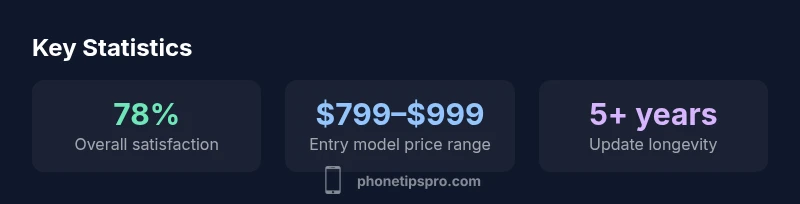
Apple typically provides iOS updates for several years after a model’s launch, which helps security and performance. The exact duration varies by model, but most recent devices receive updates for 5+ years.
Apple usually supports devices for many years, which makes updates predictable.
What about repair costs and battery longevity?
Official repairs, battery replacements, and screen fixes can be more expensive than some competitors, depending on region and warranty status. Battery health is a key factor in daily performance; replacing a degraded battery often restores peak usability.
Repair costs can be high; battery health matters a lot for performance.
Quick Summary
- Prioritize personal needs over brand bias when evaluating smartphones
- Consider total cost of ownership, not just sticker price
- Embrace ecosystem advantages if you value seamless integration
- Weigh privacy controls as a core deciding factor
- Test devices in real-world tasks before buying