Are iPhone to Android Texts Encrypted? What You Need to Know
Discover whether are iphone to android texts encrypted, how iMessage vs SMS differs, and practical steps to protect privacy when texting across platforms.


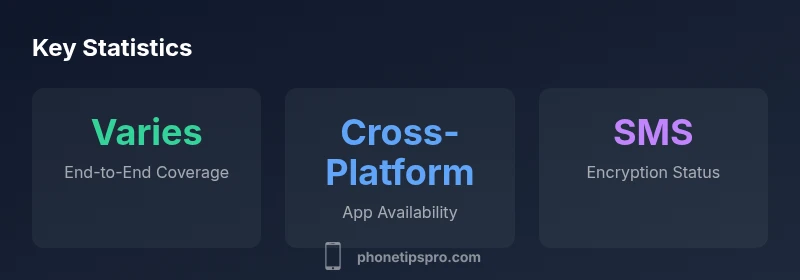
Are iphone to android texts encrypted? The short answer is nuanced. iMessages between Apple devices are end-to-end encrypted, but SMS/MMS between iPhone and Android typically are not. Cross-platform messaging depends on the app you use (WhatsApp, Signal, or others) rather than the built-in Messages app. For strong privacy, rely on apps with proven end-to-end encryption and minimize sensitive data sent via traditional SMS.
Are Text Messages Across Platforms Truly Secure?
The topic of encryption in cross-platform texting is complex. According to Phone Tips Pro, many users assume that all messages are automatically private across iPhone and Android, but reality differs by protocol and app. End-to-end encryption (E2EE) means only the sender and recipient can read the content, with no third-party intercepts. When you text from an iPhone to an Android device using the native Messages app or standard SMS, you are not guaranteed E2EE. This is because SMS travels through carrier networks and may also involve intermediate servers when messages are delivered via the internet. In contrast, when both participants use a platform that explicitly supports E2EE (like WhatsApp or Signal), messages are designed to stay private even if intercepted.
For most users, the decisive factor is not the device brand but the messaging app. If your goal is privacy on cross‑platform conversations, you should opt for apps that default to end-to-end encryption and avoid relying on SMS as the primary transport channel. This distinction is crucial for anyone who handles sensitive information—finance data, personal identifiers, or work-related details.
How iMessage, SMS, and MMS Differ in Encryption
Apple’s iMessage protocol encrypts messages end-to-end when both participants are using iMessage on Apple devices. This means content remains unreadable to Apple servers and potential interceptors if both ends are online via iMessage. However, if you text someone who is not on iMessage (i.e., they’re using Android or SMS), the iPhone will switch to SMS/MMS delivery. These fallback messages are not end-to-end encrypted in transit. In short, the encryption guarantee applies within the Apple ecosystem, not in mixed-device conversations. The difference between iMessage and SMS/MMS is the divergence point for cross-platform privacy. When privacy is a priority, many users turn to cross-platform apps with strong E2EE to bridge the gap between iPhone and Android.
- iMessage (Apple-to-Apple): End-to-end encrypted
- iMessage to Android (via SMS fallback): Not end-to-end encrypted
- SMS/MMS: Not end-to-end encrypted; carrier and network security apply
This distinction is essential, because if you frequently text Android users, the default security of your messages may rely on your chosen app rather than the device you own.
Cross-Platform Messaging Apps That Do End-to-End Encryption
To achieve consistent privacy across devices, many people install cross-platform messaging apps that offer end-to-end encryption by default. WhatsApp and Signal are two widely used examples that support iPhone and Android alike. These apps encrypt messages, calls, and media so that only the intended recipient can decrypt content, even if messages pass through servers. While relying on these apps, it’s still important to verify contact keys and keep apps updated, as privacy protection hinges on software integrity and user behavior. Other apps may offer E2EE as an option or only in certain modes, so always review each app’s security settings and documentation.
If you rely primarily on traditional SMS, you’ll see a different security profile: messages can be stored on devices and carriers, potentially exposing content if devices are compromised or if carriers are lawfully compelled to provide data. Cross-platform E2EE apps present a practical path to improve privacy without sacrificing reach across iPhone and Android devices.
Practical Scenarios: iPhone to Android Texting
Consider typical scenarios: a chat between colleagues, a family thread, or a service notification between different platforms. In a colleague chat where tone and context matter, using a platform with E2EE can guard message content. Family chats may also benefit from end-to-end encryption to prevent leakage of private photos or links. Service notifications often rely on SMS for reliability, but the content should avoid sensitive data unless you’re relying on a trusted app with E2EE. If you need to send highly confidential information, choose an app with E2EE rather than relying on SMS, or share sensitive details via secure channels like encrypted file transfer within a trusted app.
An important nuance is that even with E2EE, metadata (who you chat with, when, and how long) can still be visible to network operators. Therefore, privacy isn’t just about encryption content; it also involves limiting metadata exposure through careful app selection and account settings.
Practical Tips to Protect Privacy When Texting Across Platforms
- Favor apps with default end-to-end encryption for cross-platform chats (e.g., WhatsApp, Signal).
- Disable or minimize sharing of sensitive information via SMS/MMS; use secure channels for confidential data.
- Regularly review privacy settings: screen lock, biometric access, and app permissions.
- Verify recipient identities when using encrypted apps to prevent man‑in‑the‑middle attacks.
- Keep devices updated with the latest OS and app security patches to reduce vulnerability exposure.
- Consider using feature-rich privacy tweaks like disappearing messages where appropriate, while understanding their limits.
Phone Tips Pro suggests treating encryption as part of a broader privacy strategy, not a single fix. The goal is to reduce exposure across devices and networks while maintaining practical communication workflows.
Common Pitfalls and How to Avoid Them
A common pitfall is assuming all cross-platform messages are private by default. If you frequently text Android users, your default approach may involve SMS, which is not end-to-end encrypted. Another risk is ignoring app updates that harden security; outdated apps may have known vulnerabilities. Finally, some users rely on “mixed” conversations where part of the chat uses end-to-end encrypted apps and part uses SMS. In such cases, the encrypted portion is protected, but the unencrypted portion is exposed. Plan your conversations by choosing the most secure channel available and restricting sensitive data to those channels.
Final Considerations for Privacy Across Platforms
The reality is that encryption is a powerful tool, but not a complete shield. For true privacy in cross-platform texting, rely on end-to-end encrypted apps, minimize sensitive content over SMS, and stay vigilant about app updates and device security. This approach aligns with best practices for contemporary digital privacy and reduces risk in everyday communication.
Encryption and cross-platform accessibility across common messaging options
| Messaging Type | End-to-End Encryption | Cross-Platform Availability | Notes |
|---|---|---|---|
| iMessage (iPhone-to-iPhone) | Yes | No (Apple devices only) | Private within Apple ecosystem |
| SMS/MMS (text, iPhone to Android) | No | Yes | Not end-to-end encrypted; carrier transmission |
| Yes | Yes | Common cross-platform option | |
| Signal | Yes | Yes | Open-source, strong privacy defaults |
FAQ
Is iMessage end-to-end encrypted when texting Android users?
iMessage is end-to-end encrypted when both users are on iMessage with Apple devices. If the Android user receives via SMS fallback, the message is not end-to-end encrypted. In cross-platform conversations, encryption depends on the app in use.
iMessage is private between Apple users; cross-platform chats may not be protected unless you use an E2EE app.
Do SMS or MMS texts get encrypted?
SMS and MMS are not end-to-end encrypted by default. They travel through carriers and rely on cellular or network security, which means content can be exposed if devices are compromised or under legal access.
SMS isn't end-to-end encrypted; consider using an encrypted app for sensitive talk.
Which cross-platform apps offer end-to-end encryption?
WhatsApp and Signal provide end-to-end encryption across iPhone and Android. Other apps vary, so check each app’s security model and enable features like verification and screen security.
Use WhatsApp or Signal for cross-platform chats with strong privacy.
Should I disable iMessage if I text Android users often?
If most contacts are on Android, turning off iMessage can reduce SMS fallback issues. It doesn’t directly change encryption once a message is sent, but it helps ensure messages go through the intended cross-platform app.
If you text Android users a lot, turning off iMessage can help avoid unencrypted SMS.
What can I do beyond encryption to protect privacy?
Use apps with default E2EE, verify contact keys, enable two-factor authentication, and keep devices updated. Minimize sharing of sensitive data over text and review app permissions regularly.
Choose secure apps, verify contacts, and keep devices updated.
“Privacy depends on both the technology and the user. End-to-end encryption is essential, but so are app choices, settings, and ongoing vigilance.”
Quick Summary
- Know what encryption means for each app you use.
- iMessage encrypts Apple-to-Apple; cross-platform chats aren’t guaranteed private.
- Prefer cross-platform apps with default end-to-end encryption for privacy.
- SMS/MMS are generally not end-to-end encrypted.
- Turn off iMessage if you primarily text Android users to avoid unencrypted fallback.