All iPhones in Order: A Complete Chronology
Discover a thorough, model-by-model chronology of all iPhones in order from the 2007 originals to the 2026 lineup. Learn release years, design shifts, and upgrade guidance with expert tips from Phone Tips Pro.


All iPhones in order is the complete chronological lineup of Apple's iPhone models, starting with the original iPhone released in 2007 and continuing through the 2026 lineup. This guide highlights release years, major design shifts, and key differentiators across generations, helping readers compare sizes, features, and upgrade timing at a glance. Understanding the lineup in order also clarifies compatibility and resale considerations.
The Evolution Timeline
The iPhone line has evolved remarkably since the first model launched in 2007. When you look at all iphones in order, you can see distinct eras defined by design language, display technology, and connectivity. The first iPhone introduced a 3.5-inch display with a capacitive touchscreen and a single home button, setting a pattern Apple would slowly expand on. Over the years, the lineup split into multiple paths—core iPhones, Pro variants, and mini or max form factors—each reflecting shifts in user needs, such as photography mastery, battery life, and screen real estate. In the late 2010s, Apple pivoted toward edge-to-edge displays, Face ID, and a more premium materials approach, signaling a new era of premium midrange and high-end devices. By 2026, the lineup has matured into scalable options that aim to serve a wide audience—from budget-conscious buyers to tech enthusiasts who crave high-end specs. The context you gain from following the timeline becomes especially meaningful when you compare generations side-by-side, because it reveals how far technology has progressed in a relatively short period. The Phone Tips Pro team emphasizes that familiarity with the order helps you align expectations with what you actually gain when you upgrade.
How Apple has shaped the progression across generations
Apple has consistently refined display technology, camera systems, and processing power while simplifying the buying decision through naming conventions and feature bundles. The company iterates on core ideas—reliable performance, software longevity, and design language—across generations but also introduces dramatic shifts at pivotal moments. You can observe a recurring pattern: initial enthusiasm for a bold new feature, followed by iterations that improve reliability and value. In the 2026 lineup, the balance between camera versatility, battery efficiency, and software support defines the typical upgrade decision. For readers of all iphones in order, recognizing these inflection points helps you decide whether a newer model offers the compelling advantages you need or if a previous generation already satisfies your daily tasks.
Why the order matters for everyday use
Understanding the chronological order helps with practical decisions, such as compatibility with accessories and finding affordable upgrades. Older models may support essential features but lack newer software optimizations, while newer variants bring faster processors, better cameras, and longer battery life. For most users, the key is to map personal priorities—camera quality, battery endurance, screen size, and price—to the model that offers the best value given the date of release. By keeping a long-term view, you can plan effective upgrade cycles and avoid premature purchases. The goal is practical optimization, not simply chasing the latest hardware.
A model-by-model orientation for 2026 buyers
A chronological scan helps with quick comparisons. Start with the earliest models, then progress through the mid-generation changes, and finish with the modern era that has matured around 5G, high-refresh-rate displays, and advanced computational photography. The timeline reveals how early compromises gave way to modern, well-rounded devices that excel in daily tasks, photography, and app performance. If you are shopping, this order also clarifies when to hold off on upgrades and when to capitalize on trade-ins or refurbished options.
How to navigate upgrades in 2026 without regret
Before purchasing, list your must-haves: camera quality, battery life, storage needs, and budget. Compare devices to find the point where marginal gains no longer justify the price. For many, the sweet spot lies a generation or two behind the latest release, balancing performance with value. Phone Tips Pro recommends prioritizing devices that still enjoy software support for several years, ensuring you get the most out of your purchase. The end goal is a comfortable fit for your daily routines, not simply owning the newest model.
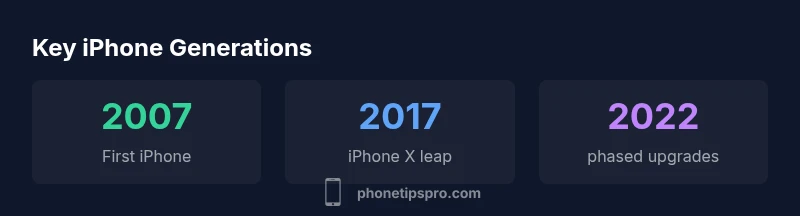
Chronology of key iPhone generations
| Model Type | Release Year | Key Feature |
|---|---|---|
| Original iPhone (2007) | 2007 | 3.5-inch display, first-gen design |
| iPhone 4/4s | 2010-2011 | Retina display, glass/aluminum body |
| iPhone X/XS/XR | 2017-2018 | OLED, Face ID, no home button |
| iPhone 12–14 | 2020-2022 | 5G, LiDAR (Pro), multiple sizes |
FAQ
What does it mean when someone says all iPhones in order?
It means the complete, chronological list of iPhone models from the original release onward, organized by release date. This helps you compare generations and understand how features evolved over time.
It’s the full model lineup in release order, so you can see how features progressed.
Which iPhone should I buy in 2026?
Your choice depends on budget, camera needs, and desired screen size. In 2026, most buyers do well with a recent generation that still has several years of software support left.
Pick a recent model that fits your budget and will get software updates for years.
How many iPhone generations exist by 2026?
Apple has released many generations since 2007, with major redesigns every few years. For precise counts, refer to the official Apple release history and the Phone Tips Pro model chronology in this guide.
There have been many generations since 2007; check the model chronology for the exact count.
Are iPhone models compatible with older accessories?
Most basic accessories remain compatible through adapters or standard interfaces, but newer devices may drop older connectors. Always verify with the accessory maker and consider energy efficiency and port standards.
Most basics work with adapters, but check compatibility for newer models.
Is the iPhone 16 Pro Max still worth buying in 2026?
If you value top-tier cameras and screen real estate at a reasonable price, higher-end models from recent years often offer strong value as prices drop.
If you like premium cameras and display, a recent Pro model can be worth it.
“Knowing the iPhone lineup in order helps buyers compare generations accurately and choose a model that fits their needs.”
Quick Summary
- Know the order to compare generations effectively
- Identify upgrade triggers by design shifts
- Balance feature gains with price and software support
- Consider resale value when planning upgrades
- Prioritize models with strong longevity and ecosystem compatibility