How Much Is iPhone 14? Price Guide for 2026
Learn how much the iPhone 14 costs in 2026 across used, refurbished, and promos. We break down price drivers, strategies to maximize value, and practical buying tips for iPhone enthusiasts.


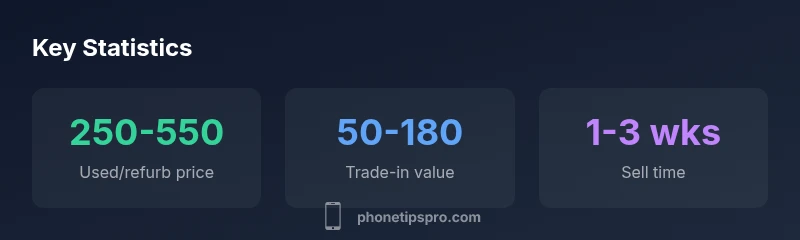
How much is iPhone 14 depends on condition, storage, and the selling channel. In 2026, primary price points are no longer fixed because new stock is scarce; most buyers encounter used or refurbished units in the approximate range of $250–$550, depending on storage and cosmetics. Carrier deals and trade-ins can further adjust the out-the-door cost. This guide breaks down the price drivers.
Price Landscape for iPhone 14 in 2026
In 2026, many buyers ask how much is iphone 14, and the answer depends on condition, storage, and buying channel. New stock is limited, so most shoppers encounter used or refurbished devices with price signals driven by cosmetic condition and remaining warranty. In practice, the resale range is roughly $250-$550, with higher storage nudging prices toward the upper end. These values reflect current supply-demand dynamics and the broader shift away from older flagship models. To estimate your device's value, start by assessing physical condition, battery health, and whether accessories are included. This context helps buyers and sellers agree on fair value while avoiding overpricing or undervaluation.
Why price varies: condition, storage, and channel
Price for iPhone 14 is not fixed; it shifts with three main factors: condition (cosmetic wear, screen integrity, battery health), storage capacity (64GB vs 128GB vs 256GB), and buying channel (private seller, refurbished retailer, carrier promo). A scratch-free unit with decent battery and original box tends to fetch the higher end of the range, whereas heavily used devices or those with battery issues pull prices down. Channel matters too: refurbished listings and official trade-ins can carry warranties that justify higher asking prices, while private-party sales may require flexibility. This helps explain how much is iphone 14 in real-market terms. When evaluating value, consider the trade-off between speed of sale and final price; a bit of extra effort can yield a better outcome.
Price tiers: used vs refurbished vs promos
Understanding price tiers helps you decide where to buy or sell. Used devices sold by individuals typically land in the lower end of the spectrum, especially if the battery health is poor or cosmetic damage is evident. Refurbished units with a warranty from reputable sellers tend to sit in the mid-range, offering more confidence but not always the lowest price. Carrier- or retailer-promoted promos can push the out-the-door price down temporarily, particularly during shopping events, but often require qualifying conditions like trade-ins or activation on a new plan. For buyers, track promo calendars and compare prices across platforms; for sellers, maintain your listing with updated battery health, photos, and any warranties to justify a higher price.
How to estimate your iPhone 14 value: a practical checklist
Use this quick checklist to estimate value fast:
- Check battery health in settings; aim for at least 85% capacity. 2) Inspect screen for scratches or dead pixels. 3) Note storage capacity (64GB, 128GB, 256GB). 4) Gather original box, charging cable, and accessories. 5) Decide the channel: private sale, refurbished retailer, or trade-in. 6) Compare at least three listings to anchor a fair price. Example: a 128GB used unit with good battery and box could sit near the mid-range; a 64GB unit without accessories may be at the lower end. This method makes the price discovery transparent.
Market channels and buying strategies
Where you buy or sell matters. If you're selling, start with reputable marketplaces that verify devices and offer buyer protection; include clear photos, battery health data, and warranty terms. If you're buying, use price-tracking tools and set a target range before contacting sellers. Don't overlook trade-in programs from Apple or major carriers; these can drastically reduce your out-of-pocket cost when you upgrade. In all cases, beware scams and counterfeit listings; verify IMEI, serial numbers, and authenticity before payment.
Pitfalls to avoid and how to maximize value
Common mistakes include overestimating condition, neglecting to include original accessories, or failing to check the battery health report. Always document cosmetic flaws with close-up photos, request service records if available, and confirm return policies. To maximize value as a seller, clean the device, reset to factory settings, and unlock Activation Lock; provide warranty information if applicable. As a buyer, negotiate with proof of device history and compare market prices across multiple platforms to avoid paying a premium.
The future outlook and alternatives to consider
Even though the iPhone 14 remains popular in certain markets, growing demand for newer models influences prices for older devices. If you're price-sensitive, compare the iPhone 14 against newer or newer-generation used devices to gauge whether saving now justifies reduced performance. Alternatives include similar-sized phones from competing brands or waiting for seasonal events to capture deeper discounts. For Apple fans, a strategic mix of a watchful eye on promos and a clear upgrade path helps you determine whether the iPhone 14 still meets your needs at a reasonable price.
Pricing references for iPhone 14 in 2026
| Variant/Channel | Estimated Price Range (USD) | Notes |
|---|---|---|
| Used (avg condition) | 250-550 | Wide variance by cosmetic wear and storage |
| Certified refurbished | 350-550 | Warranty included, tested by seller |
| Carrier deal / promo listings | 450-900 | Price depends on promos and activation requirements |
FAQ
What is the current price range for iPhone 14 in 2026?
In 2026 the typical price range for used/refurbished iPhone 14 is around $250-$550, depending on storage and battery health. Brand-new stock is scarce, so promos vary by seller. Always compare a few listings to anchor a fair price.
Right now, you’re looking at roughly two to five hundred dollars for used or refurb units, with promos affecting the exact amount.
Is it worth buying refurbished rather than used for iPhone 14?
Refurbished units from reputable sellers usually offer warranties and verified testing, making them a safer bet at mid-range prices. Pure used devices can be cheaper but come with higher risk of battery wear or undisclosed damage.
Refurbished is usually the safer pick—it often includes a warranty and testing.
Does trade-in value influence the final price a lot?
Yes. Trade-in programs can dramatically reduce your out-of-pocket cost when upgrading. Check multiple programs for the best offer and read the terms carefully, including any activation or eligibility requirements.
Trade-ins can save you a lot—shop around for the best deal.
How long does it take to sell an iPhone 14?
Typically, listings stay active for 1–3 weeks, with faster sales around holidays or during promotions. A well-described listing with photos and battery data sells more quickly.
Most iPhone 14 listings sell in one to three weeks, depending on price and presentation.
Are there regional price differences for the iPhone 14?
Yes. Prices can vary by region due to demand, tax, and carrier incentives. Check local marketplaces and consider shipping costs when evaluating offers.
Prices differ by region; compare local listings and factor in shipping.
Should I upgrade to iPhone 15 instead of chasing a bargain on the iPhone 14?
If you value newer performance and longer software support, consider upgrading. If cost savings and current functionality meet your needs, the iPhone 14 remains a viable option in 2026, especially in refurbished tiers.
Consider what you gain with the newer model versus the savings on the iPhone 14.
“Price discovery for older iPhone models like the iPhone 14 hinges on quantifiable factors: condition, storage, and the seller's credibility. In 2026, the resale market shows resilience as demand shifts toward value-driven buyers.”
Quick Summary
- Anchor price by condition and storage.
- Shop across marketplaces to maximize value.
- Use trade-ins to lower out-of-pocket costs.
- Expect price drift as stock changes.
- Choose reputable sellers with warranties.