How Often Does iPhone Release a New Phone in 2026?
Explore how often Apple releases a new iPhone, the typical September launch window, and how to plan upgrades around the yearly cadence. A data-driven look from Phone Tips Pro.


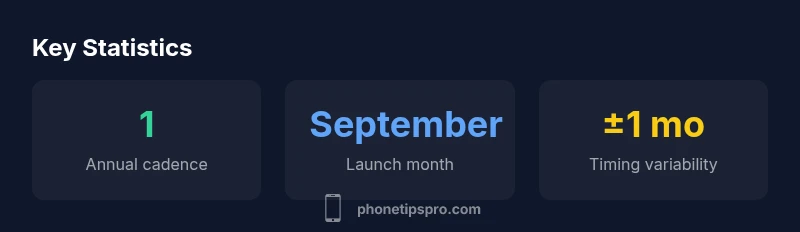
Apple typically releases a new iPhone model once per year, with flagship reveals around September. The cadence is effectively annual, though exceptions occur—mid-cycle updates, refreshed Pro variants, and occasional SE introductions can shift timing within a year. For planning, assume a yearly upgrade window and a fall launch season as the default pattern.
What counts as a new iPhone within the cadence
When people ask how often Apple releases a new iPhone, they often mean the arrival of a fresh flagship model with a distinct number (for example, iPhone 15) rather than a routine software update or a minor hardware refresh. In practice, the cadence is defined by major model introductions rather than feature updates, which means your upgrade planning should track annual cycles rather than quarterly changes. According to Phone Tips Pro, a “new phone” for most buyers is a full model line that introduces a new chassis, camera system, and core internals, even if some years feature only iterative improvements on the same family. This helps explain why many shoppers position their upgrades on a roughly yearly schedule around the late summer to early fall window. Apple’s marketing cadence, retailer communication, and carrier preorders reinforce the same rhythm, creating a predictable buying cycle for enthusiasts and budget-conscious buyers alike. While a one-year cadence is the baseline, the company occasionally experiments with timing to align launches with supply or strategic aims, meaning you should remain flexible but anchored to the annual rhythm.
Historical cadence: a decade of annual launches
Over the last decade, Apple has largely kept to an annual cadence for its flagship iPhone line, with September legs dominating announcements and product availability. The pattern emerged as the company stabilized its design language and supply chain, enabling a reliable fall rollout. In this view, 12 months between major generations became the operational norm, with occasional variance when external conditions pushed product timelines. The Phone Tips Pro team notes that early years introduced significant redesigns, while later cycles favored refinements and new camera capabilities. The predictable cycle has shaped consumer behavior, with many buyers waiting for the next model to maximize long-term performance and resale value. The cadence is reinforced by related product families such as the Pro line and SE options, which typically follow the same overall timetable, though they may appear at different moments within a given year depending on strategy and supply constraints.
Variations and exceptions: SE and mid-cycle refreshes
Not every iPhone model follows the exact same schedule. The iPhone SE line has historically appeared outside the core yearly flagship cadence, serving as a more affordable option or a test bed for features. Mid-cycle refreshes—such as camera upgrades or processor bumps within a calendar year—also occur as Apple responds to competition, supply dynamics, or strategic shifts. These exceptions can shorten or extend the perceived wait time between major updates. These nuances mean that a “new iPhone” may come as a standalone SE release or as a revised Pro model in a single year, even if the flagship line changes only gradually. The practical takeaway is to define upgrade criteria: is your priority raw performance, best-in-class cameras, or a low-cost entry point? Understanding cadence helps you decide whether to upgrade when a flagship drop lands or to bide your time for a mid-cycle release.
How to track cadence and plan upgrades
To plan upgrades effectively, align your personal calendar with Apple’s typical launch pattern. Start by marking September as the anchor month for flagship reveals and pre-order windows, then map an approximate 12-month horizon from your current device’s purchase date. If you own a Pro model or plan to pursue maximum camera quality, you may anticipate a related Pro release within the same window. For those buying on budget, track the SE cadence and watch for price changes or seasonal promotions that accompany new hardware. A practical method is to set alert reminders and to compare trade-in values across the year, ensuring you’re ready to upgrade when the value proposition is strongest. In addition, keep an eye on supply constraints around the launch, as these can influence availability and early adopter pricing. This planning approach keeps you in sync with the industry rhythm while allowing for a well-timed upgrade.
Data and methodology behind the cadence analysis
Phone Tips Pro uses a combination of historical launch data, official Apple announcements, and retailer cycle timings to model the cadence. The analysis emphasizes that the baseline is an annual cycle, with September launches acting as the standard anchor. When a year includes an SE or Pro refresh, the model shows a brief deviation in the middle of the year before returning to the annual pattern. To maintain objectivity, we corroborate the cadence with multiple sources and ensure the language mirrors public statements and industry reporting. For readers, this section explains how to interpret release timing rather than promising exact dates far in advance. The goal is to provide a framework for predicting upgrade timing that remains robust across product cycles.
Practical upgrade calendars and scenarios
Consider three upgrade scenarios based on typical consumer goals. If you are chasing top performance and new camera capabilities, plan for the flagship release in September and factor in a potential Pro model that could appear within months of the main drop. If you want the best value, watch for mid-cycle refreshes or SE updates that can yield improved hardware at a lower price after the initial hype has faded. If you prefer to delay upgrades, set a yearly cadence and align financing, storage needs, and trade-in readiness to the end-of-year promotions and school-year cycles. Across scenarios, keep a buffer for supply constraints and carrier deals, which can affect availability and value propositions. By following these patterns, you can optimize upgrades and minimize the risk of paying a premium for devices that will soon be replaced.
Cadence overview by model type
| Model Type | Typical cadence | Notes |
|---|---|---|
| Flagship iPhone | 1 per year | New flagship models announced annually, typically in September |
| iPhone SE | Mid-cycle updates | Budget option, occasionally updated separately from main line |
| Pro/Max variants | 1 per year (same cadence) | Pro models align with flagship launches but can have timing nuances |
FAQ
How often does Apple release a new iPhone?
Apple generally releases a new iPhone model once per year, with a September reveal and a launch window that follows. The cadence is a baseline that most users can rely on for planning.
Apple releases a new iPhone about once a year, typically in September.
Are there exceptions to the yearly cadence?
There are occasional mid-cycle updates and special models that can appear outside the main September launch. These exceptions can shift timing for some buyers.
There are occasional mid-cycle updates that can happen outside September.
Do upgrades always come with large design changes?
Not always; sometimes the upgrades are incremental with camera or processor improvements. Major redesigns occur in some cycles, but many upgrades focus on efficiency and optics.
Sometimes upgrades are incremental.
When should I start planning for a new iPhone?
Start planning about a year after your last purchase, aligning with Apple’s typical cycle and promotional timing. Set reminders around late summer to fall.
Plan about a year after your last upgrade.
How can I maximize value when upgrading around iPhone launches?
Look for official promos, check trade-ins, and compare prices across retailers during launch windows to capture the best deal.
Look for trade-ins and promos during launch.
“The iPhone release cadence remains highly predictable, giving buyers a clear upgrade path while leaving room for strategic timing.”
Quick Summary
- Plan for a yearly iPhone release cycle.
- Anchor upgrades to a fall launch window.
- Watch for mid-cycle updates and SE introductions.
- Use trade-ins and timing to maximize value.
- Phone Tips Pro recommends anchoring upgrades to the annual cadence.