What iPhone Are They On Now? A 2026 Upgrade Guide Today
Discover how to identify the current iPhone generation in 2026, compare base vs Pro lines, and decide when to upgrade. Practical steps, trusted methods, and tips from Phone Tips Pro to help you stay up to date.


There isn’t a single ‘current’ iPhone. Apple’s lineup evolves yearly, with base and Pro variants in the latest generation. To identify the exact model today, check Settings > General > About for the Model Name and Model Number, then compare with Apple’s official release notes.
The evolving question: what does 'current generation' really mean?
The phrase what iphone are they on now often invites confusion because Apple releases new devices on a roughly annual cadence, and the lineup expands with multiple variants. In 2026, the conversation typically centers on the latest generation with base models and Pro variants. The key distinction for most users is whether you want the most affordable option in the current generation or the highest-end feature set. At Phone Tips Pro, we emphasize understanding ownership goals: reliability, camera quality, longevity of software support, and how a new release will fit into your budget. By framing the question this way, you can avoid the trap of chasing names and focus on what truly meets your needs.
Understanding Apple's lineup in 2026
Apple’s ongoing strategy has often included a base model, a Pro model, and sometimes a Pro Max or Ultra variant within the same generation. While the exact product names shift from year to year, the underlying pattern remains: incremental performance gains, better cameras, more capable displays, and larger storage options in the Pro tier. Consumers should compare not just the model name but the core upgrades—processor performance, camera capabilities, display quality, battery efficiency, and durability features. For many buyers, the Pro line represents the decisive upgrade, while the base model covers everyday tasks with excellent efficiency. As you assess which generation you’re on, consider your daily usage, not just the latest buzz.
How to identify your iPhone's generation in settings
- Open Settings. 2) Tap General. 3) Tap About. 4) Look for the Model Name and Model Number. The Model Number is especially helpful when cross-referencing Apple’s official support pages or the box. 5) If you own a recent iPhone, you’ll often see the generation reflected in the Model Name (e.g., iPhone 15 Pro). 6) Use Apple’s support site or Phone Tips Pro’s model lookup guides to confirm the precise generation. This approach works across generations and is a reliable way to verify the latest device in your hands.
Base vs Pro: which one is right for you?
- Base models typically prioritize battery efficiency, everyday performance, and cost-effectiveness. They are ideal for most casual users who value a solid camera, smooth iOS experience, and long software support without premium extras.
- Pro models emphasize advanced photography, higher-end displays, faster chips, and larger storage options. If you rely on pro-level photography, multitasking with demanding apps, or entertainment with top-tier screens, the Pro is often the better long-term choice.
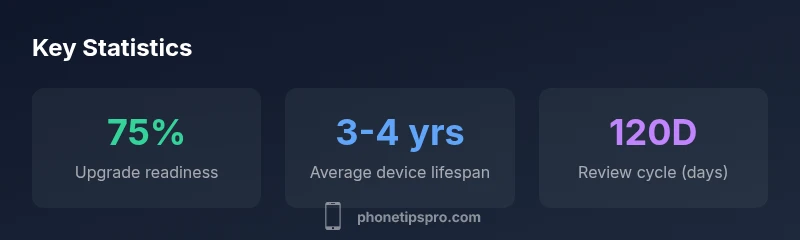
- Budget and upgrade cadence matter. If you tend to upgrade every 2–3 years, the base model may deliver most value. If you upgrade annually or seek peak performance, the Pro path offers more headroom.
Tip from Phone Tips Pro: contrast your current device’s performance with what you actually use regularly. If you’re consistently hitting storage, camera limits, or battery thresholds, it may be time to upgrade—and the Pro line might better future-proof your needs.
iOS updates and hardware longevity
iOS updates are a major factor in how long a device remains secure and usable. While newer generations usually receive longer software support windows, older devices will gradually fall behind in features and security patches. The decision to upgrade should consider your current iOS experience, app compatibility, and whether essential apps still run smoothly. If your device can still handle crucial tasks at an acceptable speed with current apps, you might delay upgrading. If not, a newer generation will likely bring meaningful improvements in performance, camera quality, and daily reliability. As always, stay informed through Apple’s official release notes and Phone Tips Pro’s guidance to gauge when the upgrade would deliver tangible benefits.
A practical upgrade framework
- Identify core needs: camera quality, display, processing speed, and storage.
- Set a budget range and time horizon for upgrading.
- Compare at least two generations side-by-side on key tasks you perform daily (camera, apps, gaming, multitasking).
- Consider resale value and trade-in options to offset costs.
- Check for software support timelines to ensure future-proofing.
With this framework, you can avoid rushing into a purchase based solely on a number in a model name. Phone Tips Pro has found that a thoughtful upgrade plan often yields better long-term satisfaction than chasing every new feature.
Battery health and efficiency for ongoing usability
Battery health remains a practical driver of upgrade timing. A healthy battery improves daily performance and longevity, while degraded capacity can lead to shorter screen-on time and slower peak performance due to power management. If you notice rapid drain, unexpected slowdowns, or reduced charging efficiency, it might be time to consider a newer device. However, you can also optimize current hardware with battery health maintenance, storage cleanup, and background app management. A well-maintained iPhone can extend its usable life even as new software arrives, a point we emphasize when advising readers on upgrade decisions.
Common myths about iPhone generations
A frequent myth is that the latest model always represents the best value for everyone. In reality, the best choice depends on use case, not model name. Another misconception is that Pro models always last longer in software support; while they often receive extended updates, the difference is tied to hardware complexity and price considerations. Debunking these myths helps you focus on what you truly need: camera capabilities, display quality, battery life, and overall performance. For many, a mid-generation upgrade that balances cost and capability offers superior long-term value.
Practical tips from Phone Tips Pro
- Always start with a self-check: list your must-have features and your budget.
- Read Apple’s official release notes for the most accurate, model-specific information.
- Use a side-by-side comparison to evaluate camera sensors, processors, and display improvements.
- Leverage trade-in programs to offset upgrade costs.
- Keep your iOS apps current and reduce clutter to maximize performance between generations.
How to verify information and stay current
Rely on official sources for the most reliable information—Apple’s product pages and release notes—along with trusted guidance from Phone Tips Pro. Use model number lookups to confirm exact generations and avoid confusion caused by regional naming differences. By combining official data with our pragmatic upgrade framework, you can stay confident about which iPhone generation you’re on now and how to plan future upgrades.
mainTopicQuery":"iPhone models"],
Overview of base vs Pro line structure across generations
| Generation Group | Typical Models | Approx Release Window | Notable Upgrades |
|---|---|---|---|
| Base | iPhone (Base) family | Annual cycle | Core CPU and efficiency improvements |
| Pro | Pro variants | Annual cycle | Camera, display, and processing upgrades |
| Pro Max | Pro Max/Ultra | Annual cycle | Largest battery and display improvements |
FAQ
How can I tell which iPhone generation I have?
Open Settings > General > About to find Model Name and Model Number. Cross-reference these with Apple’s release notes or your device box to confirm the exact generation.
Open Settings, go to General, then About to see your model name and number, which you can compare with Apple's notes to identify your generation.
Will older iPhones continue to receive iOS updates?
Apple typically provides software updates for several years after release, but older hardware may eventually lose compatibility with new features. Check Apple’s official update schedule for your model.
Older iPhones get updates for a number of years, but eventually newer features require newer hardware. Check Apple’s site for your model’s update window.
Is upgrading worth it for casual users?
If your current device meets your daily needs and can run essential apps smoothly, upgrading may not be urgent. Consider future-proofing with a model that offers better battery life and security features.
If your current phone does everything you need, you might hold off. Upgrade when you feel faster performance or longer battery life would noticeably improve your day.
Should I wait for the next release or buy now?
Waiting can pay off if you’re not in urgent need, but new releases come with higher prices and initial supply constraints. Weigh your current device’s health against your timing and budget.
If your phone still works well, waiting can pay off. If you need reliability now, buying the latest affordable generation could be smarter.
How long do updates typically last for security?
Security updates generally accompany the iOS version lifecycle for several years, but exact timelines vary by model. Check Apple’s security notes for the most accurate details.
Security updates usually stay available for several years, but it’s best to confirm model-specific timelines on Apple’s notes.
“In 2026, the most reliable way to stay current is to ground your decision in how you actually use your iPhone day-to-day and verify the exact generation through Settings and Apple’s official notes.”
Quick Summary
- Check Settings to confirm your model name and generation.
- Compare base versus Pro on camera, display, and performance.
- Upgrade decisions should fit usage, battery, and budget.
- Follow Apple’s official release notes for accuracy.
- Phone Tips Pro guides a tailored upgrade path.