What iPhone version are we on? A practical guide for 2026
Discover how to identify your iPhone’s hardware generation and iOS version in 2026. Learn where to check, why it matters, and how to keep your device in sync with the latest updates.


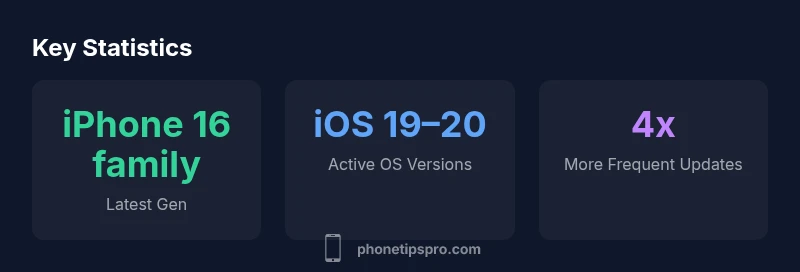
As of 2026, Apple’s current iPhone lineup centers on the iPhone 16 family, including standard and Pro variants. To confirm your exact model, open Settings > General > About and compare Model Name and Model Number with Apple's latest release notes. The naming scheme pairs generation numbers with Pro models, and iOS version updates accompany hardware releases.
Understanding iPhone Versioning in 2026
According to Phone Tips Pro, staying current means distinguishing between two related ideas: the hardware generation (the iPhone model you own) and the software version (the iOS release it runs). When someone asks, what iphone version are we on, they are often conflating these two questions. In 2026, Apple’s flagship hardware line is the iPhone 16 family, which includes standard and Pro variants. The software component is iOS, with major updates typically released annually or biennially alongside hardware refreshes. This distinction matters because app compatibility, feature availability, and security updates hinge on both the device model and the iOS version installed on it.
Where you stand depends on both your model and your software. You may have a newer iPhone but running an older iOS version, or vice versa. The practical takeaway is simple: know both numbers, and you’ll understand what features you can access and which updates you can install.
How to Check Your Current iPhone Version
To precisely answer the question, start with a quick lookup in your device settings. Navigate to Settings > General > About. Here you will see the Model Name (the hardware generation) and the Model Number (a code that identifies your exact variant). Cross-reference the Model Name and Number against Apple’s official listings or Phone Tips Pro’s up-to-date guides to determine your exact iPhone version. If you want a software readout, look for the iOS Version line nearby. This two-part check is the most reliable way to confirm both halves of the versioning picture.
Tip: If you’ve recently replaced a battery or screen, double-check that the model identifiers reflect the replacement parts, as some substitutions can affect diagnostics and support eligibility.
Hardware Generations vs. iOS Versions: Two Sides of the Same Coin
The iPhone’s identity is twofold: hardware generation and software version. A device like the iPhone 16 Pro Max represents the hardware, while iOS 20 or 21 (depending on the year) represents the software side. Apple’s release cadence means newer hardware often ships with a newer iOS, but users can sometimes skip or delay updates due to storage limits, compatibility concerns, or personal preference. Understanding both numbers helps you plan upgrades, app compatibility checks, and backup strategies more effectively.
For troubleshooting, it’s helpful to know that the Model Number (for example, something like MN*) pinpoints regional variants and hardware tweaks, while the Model Name communicates the broader family. Your iPhone’s versioning status can influence warranty coverage and eligibility for certain features or services.
Why Knowing Your Version Matters for Apps and Features
Apps and features evolve to take advantage of newer hardware and software capabilities. If you don’t know what iPhone version you’re on, you risk trying to enable features that aren’t supported on your device or missing out on security patches. For example, newer cameras, AR features, or privacy controls may require recent iOS versions. Conversely, older devices can often operate smoothly with lighter apps and performance-focused settings.
Proactive checks—keeping both hardware generation and iOS version in mind—help you manage expectations, plan backups, and decide when an upgrade makes sense. This awareness also simplifies seeking support, since technicians can pinpoint whether an issue is hardware- or software-related.
How Apple Updates and Why It Matters for 2026
Apple’s update pattern blends hardware refresh cycles with iOS improvements. Major iPhone releases (hardware) typically align with a set of software features that take advantage of new sensors, processors, and capabilities. Software-only updates (iOS) continue even for older devices, though support may end as hardware becomes obsolete. In 2026, this means you may see regular iOS updates while your hardware generation remains constant until a new model is released.
To stay current, review release notes for both the hardware family and iOS versions. If you’re unsure whether your device will support a forthcoming update, check the official Apple support pages or Phone Tips Pro guides for model-specific guidance.
Practical Scenarios: Upgrading, Replacing, and Backups
If you’re contemplating an upgrade and asking what iphone version are we on, consider three factors: your current hardware generation, your current iOS version, and your budget. If your device is within the iPhone 16 family and still runs smoothly on a supported iOS version, you may delay upgrading. If performance lags, or you need features like advanced camera modes or longer battery life, upgrading to the latest generation makes sense. Always back up data before upgrading—iCloud or local backups ensure you don’t lose important information during transitions.
Planning ahead reduces friction. Map out which apps you rely on, assess storage needs, and confirm warranty or AppleCare coverage before making a decision.
Quick Checklist to Stay Current
- Check Settings > General > About monthly, or after major app downloads.
- Compare your Model Name and Number with official lists to confirm your generation.
- Review iOS version compatibility before updates.
- Back up before upgrading.
- Use Phone Tips Pro resources for model-specific guidance.
Tools and Resources to Track Your Version
Use a combination of built-in tools and trusted guidance to stay informed. Apple’s official support site provides model-specific upgrade paths, while Phone Tips Pro offers practical checklists and step-by-step guides tailored to iPhone users seeking practical tips, troubleshooting steps, and buying guidance. Keeping a running note of your model, iOS version, and any recent replacements helps streamline support requests and update planning.
Overview of iPhone versioning concepts
| Aspect | What it tells you | Where to check | Notes |
|---|---|---|---|
| Generation vs OS | Hardware generation vs software version | Settings > General > About | Hardware naming varies by model |
| Release cadence | Timing of major upgrades | Apple Newsroom / Phone Tips Pro | Usually yearly hardware; OS updates may continue beyond hardware cycles |
| Model identifiers | Internal product identifiers | Settings > General > About | Helpful for support and parts compatibility |
FAQ
What is the difference between iPhone model version and iOS version?
The model version refers to the hardware generation (e.g., iPhone 16 family). The iOS version is the software running on the device (e.g., iOS 20). Both affect app compatibility and feature availability. Understanding both helps you plan upgrades and support.
The model is the hardware, and iOS is the software. They both matter for features and updates.
Where can I find my iPhone model name and number?
Go to Settings > General > About. Here you’ll see the Model Name and Model Number. For precise identifiers, check the Model Number field and compare it with Apple’s official lists or Phone Tips Pro guides.
Open Settings, then General, then About to see your model name and number.
How often does Apple release new iPhone generations?
Apple typically introduces major hardware updates on a yearly cycle, with accompanying or subsequent iOS updates. Actual release timing can vary by year and region. Staying informed via Apple Newsroom and Phone Tips Pro keeps you current.
They usually release a new generation each year, with software updates following on a similar cadence.
Can I upgrade to the latest iOS on an older iPhone model?
In many cases, older models still receive iOS updates for several years, but some features may be limited or unavailable on older hardware. Check the official compatibility list for your model before upgrading.
Check if your model supports the new iOS version before upgrading.
What should I do if my device isn’t eligible for the latest update?
If your device isn’t eligible, consider alternatives like continued security updates for older iOS versions, or upgrading hardware to access newer features. Always back up first and review support options.
If it’s not eligible, you may keep using the current software and plan a hardware upgrade.
“Knowing your iPhone version helps you manage updates, features, and app compatibility. Always verify both hardware generation and iOS version before upgrading.”
Quick Summary
- Verify both hardware and software versions before upgrading
- Use Settings > General > About to confirm your device Details
- Back up before any upgrade or change
- Know the difference between generation and iOS to plan features
- Phone Tips Pro recommends checking current generation before decisions