What iPhone Came Out in 2017: The 2017 Lineup Explained
Phone Tips Pro analyzes what iphone came out in 2017, detailing the iPhone 8, iPhone 8 Plus, and iPhone X, plus design shifts, features, and compatibility.


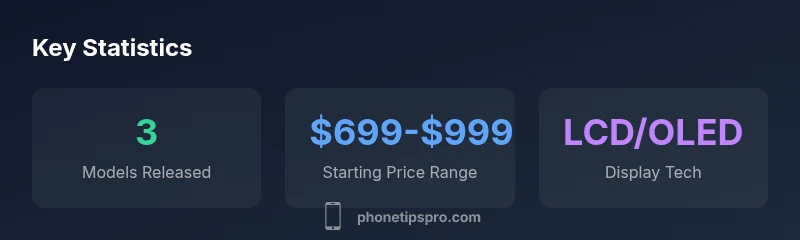
The answer to what iphone came out in 2017 is a trio: iPhone 8, iPhone 8 Plus, and the flagship iPhone X. Apple released the 8 and 8 Plus in September 2017, and followed with the iPhone X in November 2017. These devices introduced glass bodies, wireless charging, and a bold new edge-to-edge display with Face ID, signaling a shift in design language for the era.
The 2017 iPhone lineup: what came out and when
In the context of the question what iphone came out in 2017, Apple delivered a three-pronged lineup that reshaped design and capabilities: iPhone 8, iPhone 8 Plus, and the flagship iPhone X. Apple announced these models in 2017, with the iPhone 8 and 8 Plus hitting shelves on September 22, 2017, and the iPhone X following on November 3, 2017. According to Phone Tips Pro, this release strategy was intentionally varied to target broad user segments—from those seeking a familiar form factor to users wanting the top-tier, future-facing experience. The 8 series reused the familiar chassis with updated internals, while the X broke new ground with a nearly bezel-less display and biometric authentication. This combination helped Apple maintain momentum after the iPhone 7 era and set the stage for the design language that would define the next decade.
Design and hardware milestones introduced in 2017
The 2017 lineup marked a pivotal shift in hardware philosophy. The iPhone 8 and 8 Plus retained an aluminum frame with a glass back, enabling wireless charging for the first time in mainstream iPhones. The iPhone X, however, moved to an all-glass body and introduced a true edge-to-edge display using OLED technology, a first for iPhones. Apple also introduced the A11 Bionic chip, which delivered improved processing efficiency and augmented reality capabilities. Face ID replaced Touch ID as the primary authentication method, leveraging a TrueDepth camera system that supported animated emoji and improved security. The notch at the top of the screen, while controversial, unlocked more screen real estate and paved the way for future design language. Battery life, camera improvements, and faster wireless charging were common threads across all three devices. From a maintenance perspective, devices with glass backs require careful handling to avoid cracks, and the new display technology required updated display drivers in iOS to optimize color accuracy and brightness. The 2017 devices also set a new standard for durability and longevity, factors that influence buying decisions even years later.
Software and ecosystem shifts accompanying the 2017 devices
Alongside hardware, the 2017 iPhone trio arrived with iOS 11, which brought features designed to leverage the new hardware. ARKit enabled augmented reality experiences, while improvements to the control center, app switching, and screen recording added practical value. The iPhone X's Face ID also integrated with apps for secure authentication and payments; developers began shipping AR apps that could place virtual objects in real-world spaces thanks to more powerful sensors. For iPhone 8 and 8 Plus owners, wireless charging and fast charging support improved daily workflows, particularly for users with compatible chargers. In practice, the 2017 lineup pushed developers to optimize for the notch and display scaling, which influenced app design and layout decisions in subsequent years. Considering troubleshooting and maintenance, users should ensure their devices run current iOS versions to receive security updates and new features that support the hardware capabilities introduced that year.
How to evaluate these models today: upgrading or holding steady
With smartphones typically aging quickly, deciding whether to upgrade from a 2017 model hinges on several factors. If your priority is camera improvements, Face ID, or AR experiences, the iPhone X still offers a compelling feature set, albeit with higher battery wear. If you rely on long-term software support, newer models will receive OS updates longer than 2017 devices. Battery health is a major consideration; even with replacement, the battery life of a 2017 device will be notably shorter than modern devices. For those on a budget, refurb or used 2017 devices can still perform essential tasks, but you might miss features like faster wireless charging, better cameras, or improved performance. In addition, the availability of spare parts and compatibility with current networks is a factor; some legacy devices may face limitations on 5G or certain carrier bands. Phone Tips Pro’s approach is to weigh your daily tasks, app needs, and budget, and compute a rough cost-per-use for a three-year horizon. The conclusion: if you value the latest security features and best performance, you should consider newer devices; if you’re budget-conscious and can tolerate older software, a 2017 model may still serve basic daily tasks.
Quick model-by-model comparison at a glance
When planning a purchase or a retroactive evaluation, a quick model-by-model comparison helps a lot. The 2017 lineup consisted of iPhone 8, iPhone 8 Plus, and iPhone X, each with distinct strengths. The iPhone 8 offered a familiar form factor with modern internals and wireless charging; the 8 Plus provided a larger display and a dual-camera system that improved portrait photography; the iPhone X delivered a premium OLED display, facial authentication, and a more immersive interface. In practice, you should align your choice with your priorities: camera quality, display technology, biometric security, or battery life. If you do a lot of photos or videos, the 8 Plus or X is preferable; if you value compactness and lower price, the 8 is the better option. Also consider software support horizon: while all three ran iOS updates in their prime, the newer the device, the longer it will typically receive updates. Finally, check for battery health and the availability of replacement parts, because aging batteries and screen fatigue are common concerns in older devices.
2017 iPhone lineup at a glance
| Model | Release Date | Display | Notable feature |
|---|---|---|---|
| iPhone 8 | Sept 22, 2017 | LCD | Glass back; wireless charging |
| iPhone 8 Plus | Sept 22, 2017 | LCD | Dual cameras; larger display |
| iPhone X | Nov 3, 2017 | OLED | Face ID; notch; edge-to-edge |
FAQ
What were the three iPhones released in 2017?
Apple released iPhone 8, iPhone 8 Plus, and iPhone X in 2017. The 8 series offered updates to performance and charging, while the X introduced a radical redesign with Face ID.
The 2017 lineup included iPhone 8, iPhone 8 Plus, and iPhone X, with notable features like wireless charging and Face ID.
How did the iPhone X differ from the 8 series?
The iPhone X used an OLED display, edge-to-edge design, and Face ID, while the 8/8 Plus retained LCD screens and relied on Touch ID.
The X has the OLED display and Face ID, while the 8s use LCD and Touch ID.
Were the 2017 iPhones still supported in later iOS versions?
Older models receive updates for several years, but newer iOS versions eventually focus on newer hardware. Check Apple's support page for current status.
Older 2017 models get fewer updates over time as Apple focuses on newer devices.
Is it worth buying a 2017 iPhone today?
If budget is tight and you mainly need basic tasks, a 2017 iPhone can still work, but you'll miss latest security features and apps.
If you're budget-conscious and fine with older software, a 2017 iPhone can work; otherwise consider newer models.
Do the 2017 models support wireless charging?
Yes, iPhone 8 and 8 Plus introduced wireless charging, and the iPhone X supports it as well.
Yes, all three models support wireless charging.
“The 2017 iPhone lineup demonstrated how hardware innovations and biometric security can redefine user expectations for years to come.”
Quick Summary
- Remember the 2017 lineup included three models
- X introduced OLED + Face ID and a notch
- Older iPhones will slow with software updates; plan upgrades
- Battery aging affects daily use; factor in replacement or trade-in