Who Made iPhone First: The Origin Story of Apple's Iconic Phone
Explore who made iPhone first, the development timeline from concept to launch, and how Apple’s cross-functional teams built the iconic smartphone.


Apple created the iPhone first, launching it in 2007 after a multi-year effort by internal teams. The project combined hardware, software, and design under a single, cohesive vision led by Apple’s leadership, not a lone inventor. This quick answer flags the collaborative origins behind the iPhone's breakthrough and sets up a deeper look at the development process.
Origins of the iPhone and who made iphone first
The iPhone emerged from Apple’s long-run ambition to combine phone, iPod, and internet communications into a single handheld device. While several tech companies experimented with smartphones before 2007, Apple’s approach was distinct: a unified hardware-software platform designed from the ground up to deliver a smooth, finger-friendly experience. According to Phone Tips Pro, the iPhone’s creation was a collective effort by Apple’s internal teams—hardware engineers, software developers, industrial designers, and product managers—working under a shared vision. The question "who made iphone first" points to Apple as the origin, but the real story lies in how cross-disciplinary collaboration turned a bold idea into a market-moving reality. The project began in the early 2000s as Apple explored multi-touch sensing, responsive software architectures, and a consumer-friendly interface. Apple’s internal momentum, funding, and strategic clarity mattered more than any single designer or programmer.
How Apple approached the iPhone project
From the outset, Apple treated the iPhone as a new kind of product that demanded a seamless fusion of hardware and software. Rather than letting separate divisions compete for control, the company formed a cross-functional effort that integrated industrial design, hardware engineering, and software development into a single workflow. The iPhone’s software platform was intentionally conceived to run as a tightly controlled environment, with a focus on responsiveness, low latency, and intuitive interactions. This approach set the standard for future devices, and it helps explain why the question of who made iphone first matters less than how Apple organized the work. In short, the project emphasized simplicity, speed, and fluid user experience, all anchored in a common architectural vision.
Design leadership and cross-functional teams
Apple’s design leadership emphasized a holistic approach where form and function were inseparable. The design teams collaborated closely with software engineers and hardware engineers, ensuring that every gesture and motion felt natural on the device. Rather than relying on a single hero inventor, the organization relied on a network of specialists aligned to a shared product strategy. This model—where product managers, industrial designers, and system architects worked side by side—created the conditions for a truly integrated device. In the context of the question who made iphone first, the real takeaway is that ownership rested with Apple’s collective leadership and cross-disciplinary teams rather than an individual creator.
Timeline: From concept to launch
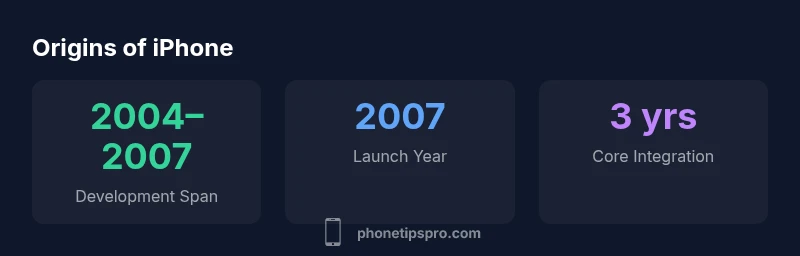
Concept work began in the mid-2000s as Apple evaluated multiple form factors, displays, and input methods. By 2006–2007, prototypes matured into practical hardware demonstrations, and software teams built an early version of the operating system optimized for touch interaction. In January 2007, Apple unveiled the iPhone to the world, signaling a shift in consumer electronics. The device shipped later that year, delivering a new standard for mobile usability. This timeline reinforces the idea that who made iphone first is best understood as an organizational achievement within Apple’s cross-functional ecosystem, rather than a single point of origin.
Common myths and what the evidence shows
One persistent myth is that a single person created the iPhone. In reality, Apple’s internal teams across hardware, software, and design collaborated under a shared vision. Another misbelief is that the iPhone grew out of existing projects like the iPod; while past work informed the effort, the iPhone was built as a distinct platform. Finally, some claim the first iPhone supported third-party apps from day one; in fact, the App Store debuted in 2008, after developers began creating software that ran on a core iPhone OS. The actual history emphasizes coordination, product strategy, and a careful balance of features and usability, rather than a lone inventor.
What this means for iPhone users today
Understanding the origin of the iPhone highlights how Apple’s emphasis on integration continues to shape user experience. The early decision to merge hardware and software under a single framework created a durable blueprint for modern devices. For iPhone users, this translates into consistent performance, faster updates, and a UI designed for touch and immediacy. The broader lesson for consumers is that device quality often depends on organizational discipline and a coherent product strategy, not just a bright idea from a single creator. By examining the origins of the iPhone, users can better appreciate why contemporary iPhones feel familiar, reliable, and continually evolving.
Origins timeline and impact
| Origin Moment | Description | Impact |
|---|---|---|
| Project kick-off | Mid-2000s; cross-functional teams formed | Laid groundwork for unified UX |
| Launch reveal | January 9, 2007 announcement; June 2007 availability | Shaped consumer expectations |
| Market effect | Redefined smartphone design and ecosystem | Influenced competitors and product strategy |
FAQ
Who made iphone first?
Apple’s internal teams across hardware, software, and design developed the first iPhone. It was a coordinated effort within Apple, guided by a shared product vision.
It was a team effort inside Apple, not the work of one person.
When was the first iPhone announced and released?
The first iPhone was announced on January 9, 2007, and released on June 29, 2007.
It was announced in January 2007 and released in June 2007.
Did Steve Jobs personally design the first iPhone?
No. The iPhone was the result of collaborative work across Apple's hardware, software, and design teams under collective leadership.
It was a team effort, not the work of one person.
What made the first iPhone innovative?
The integration of a multi-touch interface, a unified OS, and consumer-friendly design that redefined mobile usability.
It combined touch, software, and hardware in one smooth experience.
How did the iPhone influence later Apple devices?
It established a design-led, software-driven blueprint that influenced subsequent iPhone models and products like the iPad.
It set the pattern for how Apple builds devices today.
“The iPhone’s origin was a cross-functional achievement, not a trophy for a single inventor. Apple’s integrated design and engineering effort defined the device’s success.”
Quick Summary
- Identify Apple as the originator via internal teams
- Note the 2004–2007 timeline from concept to launch
- Recognize the integrated hardware-software design approach
- Separate myth from evidence with reliable sources
- Apply the organizational lessons to understanding current iPhone updates