How Long Is an iPhone? A 2026 Length Guide Across Models
Understand how long an iPhone is across generations, why length varies, and how to compare models, bezels, and camera bumps with practical tips.


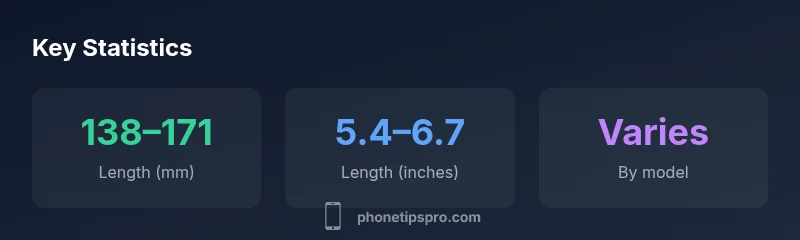
How long is an iPhone? The height (length) varies by model, with older compact models around 5.4 inches (about 138 mm) and larger flagship Max models near 6.7 inches (about 171 mm). In 2026, most mainstream iPhones fall between roughly 5.8 and 6.7 inches tall (147–171 mm). Precise length depends on the bezel and camera design.
How length is defined and measured
When people ask, how long is an iPhone, they usually mean the device’s height in portrait orientation—the distance from the top edge to the bottom edge. Official specs publish height in millimeters (mm) and inches, while bread-and-butter marketing often highlights screen size. It's important to separate these two ideas: the display diagonal is not the same as the phone's total length. In practice, the overall length is determined by the bezel width, camera module, and any camera bump that protrudes from the body. The Phone Tips Pro team notes that two phones with the same screen size can have different lengths if one uses a larger camera bump or a flatter chassis. By focusing on exact height measurements rather than perceived size, shoppers can compare models more accurately and avoid mistaking a longer phone for a larger screen.
Variation across generations
Across iPhone generations, the absolute length has shifted, but not all models grow at the same pace. The compact end of the spectrum has hovered around 138–144 mm, preserving one-handed usability for many users. Mid-size and standard models typically land in the 146–161 mm range, while the largest Pro Max or Ultra variants push toward 170–171 mm. These bands reflect choices in bezels, camera modules, and chassis geometry more than raw display size. When you compare a 6.1-inch phone to a 6.7-inch model, the diagonal may be bigger, but the height can differ by only a few millimeters. The trend over time is a widening cluster at the higher end for larger phones, with occasional shorter devices for niche markets. For buyers, this means length can be a more precise predictor of fit than display size alone.
Bezel design and camera bumps affect length
Length is influenced not just by the screen but by the phone’s edges and camera housing. Slimmer bezels reduce the footprint around the display, but a bulky camera bump can add noticeable length. Even within the same screen size, phones can differ by several millimeters because camera setups vary (wide, ultra-wide, LiDAR, or sensor shift). In 2026, many devices keep the camera bump compact, but it still contributes to the device’s vertical footprint. If you’re buying a stand mount or cradle, verify the full height rather than relying on the screen diagonal alone. The difference may be small, but it matters for cases, docks, and pocketability.
How to compare lengths when shopping
To compare lengths accurately, start with the official spec sheets published by the manufacturer and supplement with in-store measurements. Here is a practical checklist:
- Read the height in millimeters and inches on the spec page.
- Compare two or three models side by side in portrait orientation.
- Note the camera bump height and whether a protective case will accommodate it.
- Look for online reviews that show side-by-side measurements and photos for real-world context.
- If possible, handle the devices to assess how the length feels in your hand. This is the most reliable guide to comfort, grip, and one-handed reach.
Practical implications for pockets and ergonomics
Length matters for pocketability, one-handed use, and grip comfort. Longer devices can be harder to pull from a pocket, especially in tight jeans. Ergonomic tests and user surveys often show a strong correlation between length and perceived ease of use, particularly for users with smaller hands. A phone in the mid-range (roughly 146–161 mm) often offers a comfortable balance between screen space and grip. If you frequently use multitouch gestures or one-handed typing, consider trying several models in-store to feel how the length affects your reach and control. Remember: the best choice is the one that fits your daily habits, not just the largest display.
Outliers: compact and large-format models
While the majority of mainstream iPhones cluster in the mid-to-large length range, there are notable outliers. The compact segment includes older or budget options that stay around 138–144 mm tall, appealing to users who want portability. At the opposite end, the largest formats approach 170–171 mm, favored by users who want the biggest screen for streaming and gaming. Understanding these extremes helps confirm whether a device will truly fit in your pocket, your bag, or your car’s dashboard cradle. If length is a priority, identify whether you’re chasing one-handed ergonomics or maximum display area, because the right balance depends on personal preference.
Quick conversions: metric and imperial
Many buyers think in inches, but official dimensions report height in millimeters. A simple rule of thumb is that 25.4 millimeters equal 1 inch. For a quick estimate, multiply the millimeter height by 0.03937 to convert to inches, or divide inches by 0.03937 to convert to millimeters. Keep a tiny conversion cheat sheet in your wallet or phone notes when comparing models. This habit ensures you never misinterpret a model’s true length when browsing in-store displays or online listings.
Accessory implications: cases and screen protectors
Length determines case fit and the availability of accessories. Cases are calibrated to the phone’s exact height and camera bump, and even small deviations can impact protection and button access. If you upgrade to a longer model, you’ll likely need a new case to guarantee proper coverage. Screen protectors and magnetic mounts also depend on the precise bezel shape and height. Before you buy accessories for a new iPhone, confirm the model’s official height and the product’s compatibility notes. This approach saves frustration and ensures long-lasting protection.
What to know when buying used or refurbished: length variations
Used devices can deviate slightly from new-spec height because of cosmetic or structural wear. When shopping a used iPhone, request the exact height from the seller and compare it to the model’s official specifications for that generation. If you are considering a device from an older generation, measure the device yourself and compare against the current lineup to ensure your accessories still fit. If possible, ask for clear photos showing the device standing upright and a straight-on measurement so you can verify the height before purchase.
Approximate lengths by model family
| Model Type | Approx Length (mm) | Approx Length (in) |
|---|---|---|
| Compact/Entry | 138–144 | 5.4–5.7 |
| Standard | 146–161 | 5.8–6.3 |
| Pro Max/Large | 160–171 | 6.3–6.7 |
FAQ
How is iPhone length measured?
iPhone length is the vertical height from the top edge to the bottom edge when held in portrait orientation. Official specs publish height in millimeters and inches. It matters for cases and pocketability, not just screen size.
Length is the phone’s height from top to bottom in portrait mode, listed in millimeters and inches on official specs.
Does length change every year?
Not every year. Length changes depend on bezels, camera modules, and overall chassis design. Some years bring only minor tweaks, while others adjust the height to accommodate new sensors and shapes.
Length doesn't change every year; it depends on design and camera bumps.
Which iPhone is the longest?
In current mainstream lines, the largest formats are near 170–171 mm. Pro Max or Ultra variants tend to be the longest in the lineup.
The longest iPhones are usually the Pro Max or Ultra models.
How does length affect pocketability?
Longer devices can be harder to pocket, especially in tight jeans. If pocketability is a priority, test several models in-store and prefer mid-length devices for easier access.
Long phones can be tougher to pocket; try a few in-store to gauge fit.
Are there compact iPhones in 2026?
Yes, compact options exist and are typically around 138–144 mm tall, appealing to users who prefer one-handed usability.
Yes, there are compact iPhones around 138–144 mm tall.
How do I compare lengths for accessories?
Match accessory measurements to the exact height in millimeters. Verify case height and camera bump tolerance before purchasing.
Make sure the accessory matches your phone’s exact height.
“Length is a practical detail that helps you choose the right iPhone beyond screen size. By focusing on the actual height in millimeters, users can avoid buying a device that looks larger but has the same display area.”
Quick Summary
- Check exact height in mm when comparing models
- Camera bumps affect total length
- Length varies more by model than by year
- Use official specs to compare lengths
- Test fit with pockets and accessories