Is iPhone Worth It? A Practical 2026 Review
Is the iPhone worth it in 2026? This balanced, data-driven review weighs ecosystem, updates, value, and buying guidance for iPhone users. Practical tips from Phone Tips Pro.


Is the iPhone worth it in 2026? For many users, yes—thanks to a cohesive ecosystem, long software support, and strong resale value. If you prioritize privacy, camera quality, and seamless app experiences, the iPhone often delivers. If you crave deep customization or budget flexibility, alternatives may offer better fit. This quick verdict sets the stage for a deeper, data-driven evaluation.
Why is the question worth asking in 2026
Is iPhone worth it? The short answer hinges on your priorities, budget, and how you use your device day-to-day. The iPhone remains popular among users who value a polished, reliable experience, strong privacy protections, and a durable resale market. According to Phone Tips Pro, the ecosystem effect is real: a seamless handoff between devices, consistent app behavior, and a centralized security model make everyday tasks smoother. This section sets the frame for what follows: a practical look at costs, longevity, and what you get for your money. If you want a phone that Just Works with minimal tinkering, the iPhone often earns its keep; if you prioritize maximal customization or the lowest possible upfront price, you may prefer alternatives. The goal here is clarity, not hype.
Total cost of ownership: upfront vs long-term value
Price tags on new iPhone models can look steep at first glance. Yet when you compare three to five years of use, the total cost of ownership (TCO) can tilt in favor of iPhone ownership for many users. The key is to account for durability, software longevity, and resale value. Financing and trade-in programs reduce upfront outlays, while excellent resale can soften depreciation. Battery replacements, screen repairs, and AppleCare+ are common considerations that shift the math. If your usage pattern includes frequent model upgrades, you may see a different TCO path than someone who keeps a device for years. In practice, the break-even point varies by person, but the iPhone’s longevity—paired with high demand in the used market—often makes it a reasonable long-term investment for those who stay within the Apple ecosystem.
Ecosystem and software updates: longevity you can trust
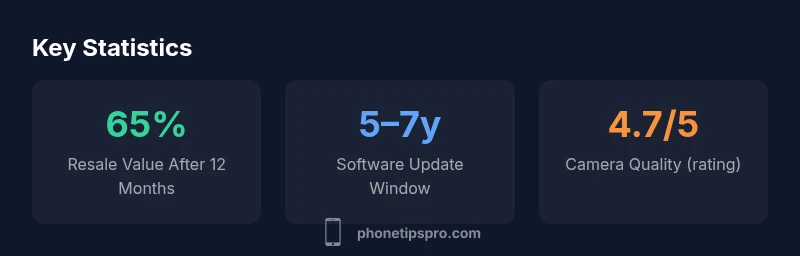
One of the core advantages of the iPhone is long software support. Apple’s update cadence tends to extend well beyond many Android peers, with security patches and major iOS releases commonly available for five to seven years on supported devices. This extended update horizon matters: it protects against vulnerabilities and preserves app compatibility, which in turn supports resale value and overall usability. For someone who values stability and privacy, the ecosystem lock-in pays off. Those who depend on niche apps or cross-platform workflows should confirm compatibility before committing. In short, software longevity adds a predictable, value-forward dimension to the overall phone package.
Performance, camera, and daily usability
In day-to-day use, iPhones demonstrate smooth performance, responsive cameras, and reliable multitasking that many users equate with a premium experience. The latest generations bring faster processors, improved computational photography, and refined software features like advanced HDR and night modes. Real-world usage—streaming, gaming, and productivity—often benefits from tight hardware-software pairing. Camera quality remains a standout draw for many buyers, with consistent results across lighting conditions. While competitors may offer more aggressive specs on paper, the real-world experience—speed, consistency, and ease of use—often matters more to the average user.
Battery life and charging: what to expect
Battery endurance varies by model and usage, but modern iPhones typically deliver a full day of moderate to heavy use for most users. The charging ecosystem—fast charging, MagSafe accessories, and efficient hardware—helps reduce downtime. Battery health naturally declines over time, yet Apple’s battery management features, diagnostics, and replacement options help maintain usability. If long battery life is a deciding factor, consider your daily routines: commuting, streaming, and camera bursts can push consumption higher. For light users, even older models can meet daily needs with careful charging habits.
Privacy and security: built-in advantages
Privacy and built-in security are often cited as differentiators for the iPhone. Apple’s approach centers on minimal data collection, on-device processing for many tasks, and a stringent app vetting process. Regular security updates help close vulnerabilities swiftly. While no platform is perfectly private or immune to risk, the iPhone’s design choices tend to reduce exposure and give users clear controls over permissions and data sharing. If privacy is a top priority, this angle can meaningfully influence the value proposition and justify the premium.
Alternatives to consider: Android, budget iPhones, or used devices
If you’re evaluating value, explore credible Android rivals with strong software support and competitive pricing. Budget iPhones (or older generations) can still offer the core ecosystem experience at a lower upfront cost, especially if you leverage trade-ins. Used or refurbished devices can also present excellent value, albeit with considerations for battery health and warranty coverage. When weighing alternatives, align your choice with your most important features—camera performance, software updates, customization, or price—and quantify what you’re willing to compromise on.
Practical buying guide: which model and storage
Choosing a model requires balancing future-proofing with current needs. If you shoot lots of photos or videos, opt for larger storage with a fast flash and reliable read/write speeds. If you prefer smaller footprints and one-hand comfort, a compact model may be ideal. Consider the typical lifespan you anticipate and whether you’ll benefit from the latest camera improvements, faster processors, and longer update windows. Storage size, color, and accessory compatibility can influence resale value too, so it’s wise to pick a configuration that remains appealing to buyers later on.
Tips to maximize value: trade-ins, extended warranties, accessories
To optimize value, plan early for trade-ins and recycling programs that can offset upgrade costs. Extended warranties or AppleCare+ may reduce out-of-pocket expenses for unexpected repairs, especially during the warranty window. Thoughtful accessory choices—protective cases, screen protectors, and MagSafe charges—can extend device life and maintain resale appeal. Keep service records and receipts handy to demonstrate care in a sale. If you’re budget-conscious, monitoring promo windows and carrier deals can yield meaningful savings without sacrificing long-term value.
Common myths debunked
A common myth is that you must buy the newest model to get value. In many cases, last year’s model still offers excellent performance and software longevity. Another myth is that Android always offers more customization or better hardware; in reality, the iPhone’s integration and user experience often deliver greater convenience and reliability. Finally, some think repair costs negate value; with official service plans and reputable third parties, many repairs are predictable, transparent, and affordable relative to new-device costs.
How to decide if it's worth it for you
The final call should hinge on your priorities. Do you want a phone with a long update horizon, strong privacy protections, and a seamless ecosystem? If so, the iPhone is likely worth it. If you crave customization, wide app interoperability across platforms, or the absolute lowest upfront price, you may find better value elsewhere. A practical test is to list your top 5 must-have features and compare how each option delivers on them, including total cost of ownership, not just the sticker price. This approach keeps the decision grounded in your real needs.
The Phone Tips Pro perspective
From the Phone Tips Pro vantage point, the iPhone remains a compelling choice for users who prioritize a polished, secure, and future-proof experience. Our testing and analysis in 2026 show that the combination of ecosystem quality, update longevity, and resale value often outweighs higher initial costs for a broad audience. If you value a predictable, low-friction everyday experience, the iPhone is still a strong candidate. We suggest evaluating your priorities against a realistic TCO and considering trade-ins to soften upfront costs. Phone Tips Pro stands by this balanced view, highlighting scenarios where alternatives may be more compelling and where the iPhone shines.
Positives
- Excellent app ecosystem and strong security
- Long software support and reliable updates
- High resale value and strong demand in the used market
- Consistent performance and camera quality
- Strong customer support and accessory availability
Weaknesses
- Higher upfront price versus some competitors
- Less customization and feature flexibility
- Limited hardware options within a single ecosystem
The iPhone remains a strong value for most users who want longevity, security, and a seamless ecosystem.
Across cost, updates, and daily usability, the iPhone often outperforms many rivals in long-term value. While upfront prices are higher, the total cost of ownership and ecosystem benefits frequently justify the investment for the target audience. Users prioritizing privacy and a smooth experience may find the purchase highly worthwhile.
FAQ
Is the iPhone worth it if I’m switching from Android?
For many switchers, the iPhone is worth it because of privacy controls, data security, and a smoother data-transfer experience. The transition can be quick thanks to seamless app migration and uniformity in core apps. Expect a learning curve in customization, but the overall experience often feels more cohesive.
If you’re coming from Android, you’ll enjoy a straightforward setup and smooth app transitions, with a consistent, privacy-forward experience.
Do iPhones receive software updates for many years?
Yes. iPhones typically receive software updates for five to seven years on supported models, which helps with security, features, and app compatibility. This long horizon is a major factor in the value proposition.
iPhone updates tend to last a long time, improving security and features over several years.
Is it worth buying the latest model or a previous generation?
If you want cutting-edge photography, processor speed, and the newest features, the latest model is worth it. If you’re budget-conscious or don’t need the absolute newest tech, a previous generation offers substantial value with most core benefits.
The newest model is best for peak performance, but last year’s version still delivers most of the experience at a lower price.
How does storage choice affect value?
Storage affects both daily use (apps, photos, media) and resale value. If you burn through space, opting for larger storage at purchase can prevent future upgrades and maintain resale appeal. Consider cloud storage as a complement to avoid paying for too much internal storage.
Get what you need now; you can always supplement with cloud storage rather than maxing out on device storage.
Are there affordable alternatives that still feel premium?
Yes. Budget or older iPhone models can still deliver the core experience with lower upfront costs, especially when paired with trade-ins. If premium features aren’t essential, these options offer solid value and long lifespan.
There are affordable iPhone options that still deliver a premium experience, especially when paired with smart trade-ins.
What should I watch for when buying used or refurbished?
Check battery health, ensure the device is unlocked and eligible for official updates, verify iCloud status, and review the warranty or return policy. Refurbished units with reputable warranties can be a smart middle ground.
If you buy used, check battery health and warranty coverage to avoid surprises.
Quick Summary
- Assess total ownership cost, not just price
- Value the ecosystem, updates, and resale potential
- Consider longer upgrade cycles for best ROI
- Trade-ins and warranties can tilt the math
- Choose models aligning with your storage needs and usage