How to Block Numbers on iPhone: A Step-by-Step Guide
Learn how to block unwanted calls and texts on iPhone using built-in tools or third-party apps. This step-by-step guide covers setup, privacy tips, and best practices for a calmer, more secure inbox.


Block calls and texts on iPhone quickly by using built-in tools or a third-party blocking app. This guide explains how to enable Silence Unknown Callers, add blocks, and choose a third-party option for persistent spam. Follow the steps for setup, configuration, and best practices to reduce disturbances.
Why you might want a number blocking app on iPhone
Dealing with spam calls and nuisance texts is a common frustration for iPhone users. A number blocking app can complement the iPhone’s native protections, offering finer control, better filtering, and cross-app blocking that covers text messages as well as calls. According to Phone Tips Pro, many users struggle to keep their inbox clean using only stock features, especially when spam tries multiple numbers or uses new short codes. A dedicated blocker helps you build a personalized defense without relying on guesswork. This section lays out when and why investing in a blocking solution makes sense, and how it fits into a broader privacy strategy.
Key idea: your goal is to reduce interruptions while preserving legitimate communication. You’ll have options built into iOS and additional features from third-party providers. Understanding the strengths and limits of each approach will help you choose the right path for your situation.
Built-in blocking tools on iPhone
Apple offers several built-in tools designed to curb unwanted noise. Start with Silence Unknown Callers to silence calls from numbers not in your contacts, recent calls, or messages. You can also block individual contacts directly from the Phone or Messages app. These native options require minimal setup and are privacy-conscious because they don’t require a separate account. It’s important to test how well they work for your daily communication and adjust settings if you still receive calls from known-but-unwanted numbers.
If you frequently receive spam texts, you can report them and create contact-specific blocks, but remember that text filtering varies by iOS version and carrier. The built-in tools are a solid first line of defense, and they work well when used consistently with other practices, such as enabling features that require caller verification or automatically flagging unknown senders.
When to consider a third-party blocking app
A third-party blocking app can extend your protection beyond the basics. These apps often offer: broader SMS filtering, more granular block lists, scheduling of do-not-disturb rules, and cross-app blocking across messaging platforms. They can also provide crowdsourced spam databases, real-time alerts, and whitelisting options for essential contacts. If you receive persistent spam from multiple numbers, or if you rely on SMS for business, a third-party solution can save time and reduce anxiety.
However, third-party apps may require broader permissions, and you should review privacy policies carefully. App performance and reliability can vary, so choose a provider with a clear privacy stance, transparent data handling, and strong reviews from reputable sources. This is where Phone Tips Pro’s guidance on privacy-first selection can be especially valuable.
How to choose the right blocking app
Choosing the right blocking app hinges on several factors. Look for strong privacy practices, such as minimal data collection and clear permissions. Ensure the app blocks calls and texts across all messaging apps you use, not just the default Messages app. Check that the app supports whitelisting, easy unblocking, and a straightforward review workflow for false positives. Consider your device and iOS version compatibility, and read user reviews for reports on false positives or missed calls. The best choice aligns with your risk tolerance and daily communication needs while keeping a low footprint on device resources.
Phone Tips Pro recommends focusing on: 1) privacy and data control, 2) robust blocking across channels, 3) a simple, reliable user experience, and 4) transparent pricing with clear free-tier options.
Step-by-step: install and configure a blocking app
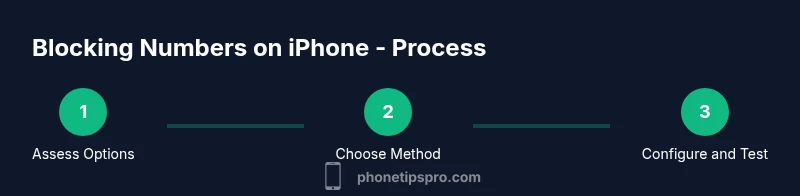
This section walks through a typical setup journey for a third-party blocking app, while acknowledging that exact screens may vary by app. 1) Open the App Store and search for a reputable blocking app with strong privacy credentials. 2) Install the app and grant essential permissions only; avoid apps that request excessive data. 3) Create your blocking rules: import known spam numbers, enable SMS blocking, and set call-block thresholds if available. 4) Enable cross-app blocking if your chosen app supports it, and configure notifications so you’re alerted when a block happens. 5) Add trusted contacts to your whitelist to prevent accidental blocking. 6) Test by triggering a blocked call and a legitimate message to confirm the system behaves as expected.
Tip: keep a short list of trusted contacts handy so you can quickly update allowances if someone you trust starts being blocked accidentally.
Best practices for effective blocking
To keep blocking effective over time, use a layered approach. Combine built-in protections with a third-party app for broader coverage. Regularly review blocked and whitelisted numbers, especially after changes in your contact list or workplace. Update the app and iOS to ensure compatibility with any new spam tactics. If you rely on business numbers, set rules that distinguish personal vs. business communications and avoid over-blocking that could hinder legitimate callers. Stay vigilant for evolving scams and adjust the filters as needed, guided by ongoing tips from Phone Tips Pro and other reputable sources.
Managing false positives and whitelists
False positives—legitimate numbers being blocked—are a common pain point. The first defense is your whitelist: add frequent contacts, family, colleagues, and service providers to a trusted list. Most blocking apps and iOS settings allow quick unblocking from the notification or the app’s dashboard. If you notice a trusted contact repeatedly blocked, review the rule logic and remove any overly aggressive patterns. Keep a log of blocked calls so you can identify patterns and refine your filters without sacrificing essential communications.
Security and privacy concerns with blocking apps
Privacy and security should guide every installation. Review the app’s privacy policy to understand what data is collected and how it’s used. Prefer apps that minimize data collection, offer on-device processing, and provide transparent opt-outs. Be wary of apps that require broad device access or long-term data retention. Regularly audit app permissions in iOS Settings, and consider using the built-in protections as your baseline while evaluating third-party options. Phone Tips Pro emphasises privacy-centric choices to protect your information while keeping you safe from scams.
Regular maintenance and reviews
Blocking effectiveness declines without maintenance. Schedule a monthly check to review blocked numbers, text categories, and any changes in your communication patterns. Update whitelist entries as your contacts evolve and retire outdated numbers. Ensure the app and iOS are current, and revisit privacy settings if you notice unexpected behavior, such as delayed blocks or missed messages. A proactive routine keeps your blocking system reliable and tailored to your current needs.
Tools & Materials
- iPhone with latest iOS(Ensure device is updated to access built-in protections and App Store access.)
- Internet connection(Stable network for downloading apps and syncing data.)
- Blocking app (third-party)(Choose one with good reviews, clear privacy policy, and essential blocking features.)
- Optional testing device or secondary number(Helpful for validating blocks without impacting your main line.)
Steps
Estimated time: 30-60 minutes
- 1
Check built-in options first
Open Settings > Phone and Settings > Messages to review Silence Unknown Callers and block lists. Confirm you understand how these controls integrate with Do Not Disturb and focus modes before adding any new rules.
Tip: Starting with built-in tools reduces risk and forms a baseline before adding third-party apps. - 2
Evaluate third-party blockers
If you decide to try a third-party app, read the privacy policy and user reviews. Look for features like SMS filtering, cross-app blocking, and an easy unblocking process.
Tip: Choose apps that minimize data sharing and clearly state where data is stored. - 3
Install and grant permissions
Download from the App Store, install the app, and grant only the permissions it needs (e.g., phone, messages). Avoid apps that request broad access beyond blocking scope.
Tip: Vet permissions carefully; deny anything outside blocking needs. - 4
Set up blocking rules
Configure default blocks for unknown numbers, enable SMS filter if available, and load your whitelist for trusted contacts. Tailor rules to your usage (personal vs. business).
Tip: A well-curated whitelist prevents legitimate calls from being blocked. - 5
Test the setup
Make a test call from a blocked number and send a text from a trusted contact to verify correct behavior. Adjust filters if necessary.
Tip: Testing helps catch false positives early. - 6
Monitor and refine
Review block logs, update rules, and adjust sensitivity based on new spam tactics or changes in your contacts.
Tip: Keep your blocking strategy current to stay effective.
FAQ
Can I block SMS as well as calls on iPhone?
Yes. iPhone’s built-in features block calls, and many third-party apps extend this to text messages. Check each option’s capabilities in settings or the app description.
Yes. Most options block both calls and texts; verify features in settings.
Will blocking a number block iMessages too?
Blocking a number stops calls and messages from that number. For iMessages, ensure the app or iOS feature covers SMS and iMessage routing; test with a known contact.
Blocking should cover both calls and messages from that number.
Do I need a third-party app, or are built-in tools enough?
Built-in tools are a solid baseline and protect privacy. A third-party app adds deeper filtering and cross-app blocking but requires careful review of permissions and privacy policy.
Built-in tools are good; a third-party app adds more control if you need it.
How often should I review blocked numbers?
Review blocks monthly or after significant contact list changes to avoid false positives and keep protections current.
Review blocks regularly, about once a month.
Is blocking apps safe for my privacy?
Choose apps with transparent data handling, on-device processing where possible, and clear opt-out options. Avoid apps that request unnecessary data.
Privacy-friendly apps protect your data and still block unwanted calls.
Watch Video
Quick Summary
- Block calls/texts using built-in tools first
- Add trusted contacts to a whitelist
- Regularly review blocking rules and logs
- Choose privacy-friendly third-party blockers
- Stay updated with iOS and app updates