What Should iPhone System Data Be: A Practical Guide
Learn what constitutes iPhone system data, how it grows, and best practices to manage it for optimal performance. Practical tips from Phone Tips Pro, 2026.


What counts as system data on iPhone, and what should it be? System data includes caches, logs, and behind-the-scenes files that help iOS and apps run smoothly. There is no fixed number; healthy devices vary by usage and updates. In general, expect modest growth over time, and watch for consistent increases that suggest you may need to review caches or app behavior. For the quickest takeaway, remember: small, stable system data is normal, but rapid, ongoing growth warrants attention.
What counts as 'system data' on iPhone?
On iPhone, the term 'system data' describes caches, logs, and other behind-the-scenes files that help iOS and installed apps run smoothly. It includes temporary files, index data, and app caches that aren immediately appear in your photo library or apps. For many users trying to understand storage, the key question is: what should iphone system data be in a healthy device? The short answer is that there is no universal number. It will vary with how you use the device, which apps you install, and how often you browse the web. In general, system data should be a reasonable portion of total storage and should not grow in a straight line indefinitely. If you notice sharp jumps tied to updates or heavy app usage, thats a sign to investigate further, rather than panic. This section will help you interpret those changes and map them to practical steps.
Why this matters: System data can affect available space and performance. When it remains within typical bounds, your iPhone can use caches to speed up operations without sacrificing user content. When it balloons, it can leave less room for photos, apps, and files. Tracking these trends helps you decide when to clear caches, offload apps, or adjust usage.
Key takeaway: Not all system data is bad. Understand the components, watch for unusual growth, and apply targeted maintenance rather than a blanket purge.
Why system data grows and what it includes
System data grows as caches, temporary files, and background processes accumulate. Safari caches, app caches, and logs from crash reports contribute to the total. As you install new apps and frequent the web, more cached data is created to speed up future interactions. iOS also maintains storage metadata, indexes, and system services data that aren directly translate into user content but do occupy space.
A healthy system data profile reflects your device usage pattern. If you regularly stream video, use navigation, or run memory-intensive apps, you may see larger caches. If you rarely use the device offline, the system data footprint tends to be smaller. The contrast is not just about size; its about whether the growth is steady and reversible through standard maintenance, updates, and app-level cleanup.
Practical implication: Consistent, moderate growth aligned with your activity is expected. Sudden surges after an update or a new app suite warrant closer inspection and a structured cleanup plan.
What it should be: healthy ranges and expectations
There is no one-size-fits-all number for what constitutes a healthy system data size. In practice, many iPhone users see system data within a range that loosely spans from a fraction of a gigabyte to several gigabytes, depending on device age, storage capacity, and usage. A modern device with 128 GB or more of storage might sit toward the lower end of that range, while older models with tighter space could observe a larger relative footprint. The important concept is not the absolute size but the trend over time. If system data drifts upward gradually over months and you routinely free space in other areas, the size is acceptable. If the size spikes dramatically after a minor activity or persists at an elevated level, it may indicate apps caching aggressively or background processes that warrant review.
From Phone Tips Pro Analysis, 2026, a healthy system data profile shows moderate, steady growth that stabilizes after updates and routine maintenance. In practice, you should monitor the System Data percentage relative to total storage and look for changes that persist beyond one or two cycles of use. Remember that data size can vary by iOS version and device model, so compare against peers with similar configurations.
Guiding principle: Use a periodic check (monthly or after major updates) to assess whether system data is within your expected range and adjust usage patterns or maintenance steps accordingly.
How iOS manages system data across updates
Updates frequently involve reindexing, rebuilding caches, and refreshing background processes. This can cause a temporary bump in System Data as caches are regenerated and new features initialize. In most cases, the size returns to a stable level after a few days as the system re-optimizes for your apps and content. If you notice a persistent elevation beyond a few weeks after an update, it may reflect heavier caching by new features or apps with background activity.
During transitions, you might see iOS optimizing storage in the background, which can momentarily affect available space. This is not necessarily a problem, but it is a signal to monitor the trend and ensure you have enough headroom for peak activities. If the data growth coincides with performance issues, consider steps such as offloading unused apps, reviewing large attachments, or clearing cache in apps that permit it.
Bottom line: Updates can temporarily increase system data, but long-term persistence should be investigated if it affects storage capacity or device responsiveness.
Practical steps to review and manage system data
Start with a clear map of your storage: Settings > General > iPhone Storage. Focus on the System Data segment and compare it to your other storage categories. While you cant directly delete system data, you can influence growth by targeting cache-heavy apps, clearing browser data, and enabling settings that reduce background activity where appropriate. Regularly offload unused apps, review large conversations, and manage media already stored in iCloud to free local space.
If you use Safari heavily, clear Safari cache and website data periodically. For apps that allow manual cache clearing, perform that operation; for others, rely on app updates that optimize storage handling. Keep iOS updated, as Apple sometimes improves storage management strategies. Finally, enable iPhone Storage recommendations when available, which can guide you to offload or delete content more safely.
Actionable steps summary: review storage, clear caches where possible, offload unused apps, manage attachments, and maintain up-to-date software.
When to worry about system data size
If System Data grows quickly over several weeks without a corresponding rise in your user content, or if you repeatedly hit storage limits that disrupt use of photos, apps, or messages, it is prudent to take action. Look for patterns: new apps, large caches from streaming or offline media, or unusual background activity after an update. While occasional fluctuations are normal, persistent growth indicates that caches or background processes may be less efficient on your device than ideal.
In such cases, consider a structured cleanup approach: reduce background activity, clear app caches where available, and review large attachments in Messages or Mail. If the issue persists after routine maintenance and software updates, consult official Apple support resources or a trusted technician for guidance. The goal is to maintain headroom for your daily needs without compromising performance.
Takeaway: Persistent, unexplained growth in system data deserves a targeted review rather than passive acceptance.
Best practices to minimize unnecessary system data growth
Adopt a proactive routine to minimize system data accumulation. Regularly review iPhone Storage and offload unused apps. For browsers and apps with large caches, clear data when feasible and avoid excessive offline data storage for media. Keep iOS and apps updated to benefit from storage-management improvements. Consider turning on automatic offload for unused apps where appropriate, and enable iCloud Photo Library to reduce local media storage while preserving access. Finally, avoid unnecessary third-party cleaning apps that claim to purge system data, as iOS security layers often prevent safe clearance of these caches.
These practices reduce the chance of sudden space crunches and keep your device responsive. They also help you preserve space for photos, documents, and essential apps, which is the real payoff of managing system data effectively.
Recommendation: build a monthly habit of reviewing storage, applying safe maintenance steps, and aligning with official iOS optimizations, rather than chasing an elusive, perfect number.
Data-driven perspective: Phone Tips Pro recommendations
Phone Tips Pro approaches system data with a data-first mindset. We recommend establishing a baseline for System Data on devices with similar configurations and monitoring for deviations that last beyond a single month. Our guidance emphasizes safe cache management, predictable maintenance, and using iCloud backups to minimize local storage usage. By correlating growth patterns with updates, app usage, and media behavior, you get a durable framework for evaluating system data.
In practice, you should collect your own metrics: track how System Data changes over a defined period, compare it to the same period in previous years, and adjust settings accordingly. This approach helps you separate normal variance from real storage pressure. Phone Tips Pro researchers indicate that consistent, moderate growth that stabilizes after updates is typical for well-managed devices. When you see abnormal trends, apply the proven steps outlined earlier in this article and recheck after one update cycle.
Takeaway: a disciplined, data-driven routine helps you maintain performance without compromising essential content.
Framework for evaluating system data and future trends
A practical framework combines observation, measurement, and action. Start by establishing a local baseline for System Data relative to total storage. Track monthly changes, note the impact of iOS updates, and identify apps responsible for disproportionate growth. Use the general rules: stable, modest growth is normal; sharp, persistent increases warrant targeted cleanup. As iOS evolves, expect improved storage-management capabilities, which may alter the baseline over time. Finally, integrate these insights into your broader maintenance plan with regular backups, offloading, and mindful app usage. Phone Tips Pro supports a proactive stance: monitor, analyze, and act on data-driven insights to keep your iPhone running smoothly without sacrificing content.
Data-driven perspective: Phone Tips Pro recommendations (conclusion)
In summary, understanding what should iphone system data be helps you maintain a balanced storage profile and a responsive device. By focusing on trends rather than absolute numbers, embracing safe cache management, and aligning with Apples ongoing optimizations, you can keep system data at healthy levels. The practical steps outlined above, supported by Phone Tips Pro Analysis, 2026, empower you to take control of your storage without risking data loss or performance issues.
Overview of system data dynamics on iPhone
| Aspect | Typical Range | Notes |
|---|---|---|
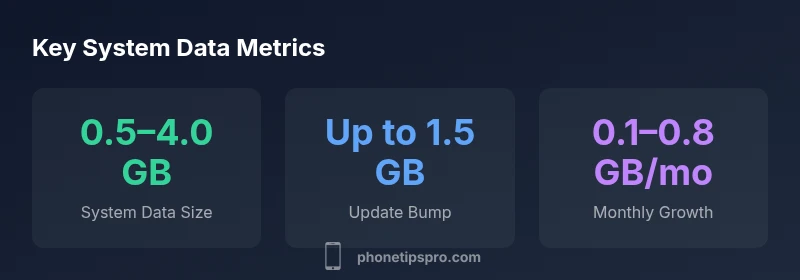
| System Data Size | "0.5–4.0 GB" | Depends on usage and device model |
| Temporary Cache Growth | "0.2–1.0 GB per month" | Safari, apps, and system services caches |
| Impact of Updates | "Temporary increase up to 1.5 GB" | Caches rebuilt after updates; stabilizes later |
FAQ
What counts as system data on iPhone?
System data includes caches, logs, and back-end files that support iOS and apps. It does not include your personal media or app data, but it can occupy a noticeable portion of storage over time.
System data is behind-the-scenes storage like caches and logs, not your photos or messages.
How can I see the size of system data?
Open Settings > General > iPhone Storage to view a breakdown. The System Data entry shows how much space is used by system-related files, separate from apps and media.
Go to Settings, General, iPhone Storage to see System Data.
Is it safe to delete system data manually?
You cannot directly delete system data on iPhone. You can safely reduce growth by clearing app caches where possible, clearing Safari data, and updating iOS to benefit from storage optimizations.
You don’t delete system data directly; focus on caches and software updates.
Will updates reduce system data size?
Updates may temporarily increase system data while caches rebuild, but after a period, the size often stabilizes as the system optimizes for your usage.
Updates can bump System Data temporarily, then it usually settles down.
What is a healthy system data size?
There is no universal number. A healthy size depends on device model and usage. Monitor trends over months rather than fixating on a specific figure.
There isn’t one perfect size; watch how it changes over time.
“A healthy iPhone storage profile balances quick access with enough headroom for growth. Regular, targeted maintenance beats chasing a single number.”
Quick Summary
- Review storage regularly and watch System Data trends
- Understand that caches drive growth, not only user data
- Use safe cache-clearing practices where possible
- Updates can temporarily increase System Data; expect stabilization
- Adopt a data-driven maintenance routine with Phone Tips Pro guidance