Battery Replacement iPhone Near Me: A Practical Guide
Learn how to locate trusted iPhone battery replacement near you, compare DIY vs professional options, understand costs and timelines, and prepare your device for service in 2026.


You can replace an iPhone battery near you by choosing a reputable local service or considering a DIY option, then preparing your device properly. Start by checking battery health and warranty, compare OEM vs high-quality third-party batteries, and compare price ranges and timelines. This quick path helps you restore performance while protecting data and safety.
What you should know before you start
Replacing an iPhone battery is a practical way to extend device life, but it requires care. Whether you choose a local repair shop or attempt a DIY battery replacement near me, understanding the process helps you avoid damage and data loss. According to Phone Tips Pro, start by assessing your device’s battery health, weighing risks of a swollen or damaged cell, and deciding between OEM and reputable third-party options. In 2026, more options exist than ever: official Apple service, third-party shops, and at-home kits. The goal is a safe, reliable replacement that preserves warranty status and data integrity. When you search for 'battery replacement iPhone near me', look for credentials like Apple Authorized Service Provider (AASP) or technicians with training in battery safety. The decision should balance cost, convenience, and long-term battery health.
Data integrity and device safety should be your priorities, so plan ahead and verify the provider’s credentials before committing to a service.
How to locate a battery replacement near me
To find reliable options nearby, start with official sources like Apple Support or Apple Authorized Service Providers (AASP). Then cross-check local repair shops on trusted review sites and verify they offer genuine or high-quality replacement batteries. Ask questions about warranty on the battery and the device, the expected turnaround time, and whether the service includes diagnostic tests. Look for technicians who can provide a pre-service assessment and a written quote. If the shop offers a free or low-cost diagnostic, use that to guide your decision. For smartphone users, speed matters, but so does reliability. Phone Tips Pro analysis shows that choosing a provider with transparent pricing, a written warranty, and certified technicians reduces follow-up visits and post-service concerns.
OEM vs aftermarket batteries: making the call
One of the biggest choices is whether to use an original equipment manufacturer (OEM) battery or a reputable high-quality aftermarket battery. OEM batteries are designed for your exact model and often come with a robust warranty, but they can be pricier. Third-party batteries from established vendors can be more affordable and offer solid performance, but quality varies. The key is to review battery batch numbers, energy density, and regulatory certifications. Regardless of choice, insist on a proper seal and adhesive installation to prevent movement or moisture intrusion. Always verify compatibility with your iPhone model and understand the warranty terms for the new battery.
DIY vs professional replacement: pros and cons
DIY battery replacement can save money and is a good learning experience for tech enthusiasts, but it carries risks such as improper connector seating or screen damage if you’re unfamiliar with iPhone internals. Professional service reduces risk, often includes diagnostics and a warranty on the battery, and minimizes the chance of accidental damage. For most users, a trusted local repair shop or an Apple Authorized Service Provider is the safer route, especially for newer models with more intricate components. Consider your comfort level, the value of your device, and available time when deciding.
What to expect at the shop or service center
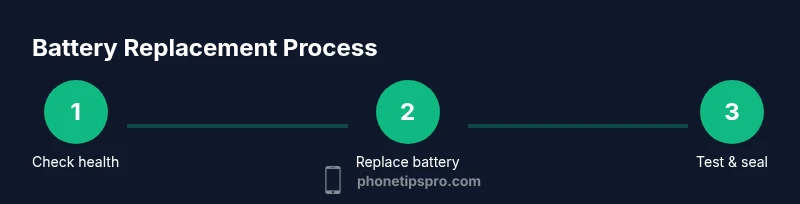
When you arrive for a battery replacement near me, expect an intake diagnostic, confirmation of your iPhone’s model, and a discussion of battery health findings. A technician should show the battery’s health percentage, confirm the replacement battery type, and provide a written estimate for parts and labor. If the battery is swollen, the technician should advise immediate service and may remove the device from service to prevent further risk. The replacement process typically includes disconnecting the battery, removing the old pack, applying new adhesive, seating the new battery, reconnecting, and running a basic function test. A test drive of the iPhone’s performance and battery drain is common.
Costs and timelines: what to expect
Costs for a battery replacement near me vary by model, battery type, and geography. DIY kits can be inexpensive, but you’ll need the right tools and safety precautions. Professional service often ranges broadly depending on model, warranty, and whether you choose an OEM or third-party battery. Expect a typical service window from 45 to 90 minutes in many shops, with total turnaround times from same-day to a few days for mail-in options. It’s wise to request a written quote and confirm the warranty duration for the new battery. Phone Tips Pro analysis shows that transparent pricing and reasonable wait times correlate with higher customer satisfaction.
How to prepare your iPhone for replacement
Back up your data before any service, ideally to iCloud or a computer. Sign out of your Apple ID if requested by the technician to ensure privacy, and disable Find My iPhone to comply with security requirements. Remove the SIM card if you plan to be away from the device, and note any passcodes or Touch/Face ID settings that might need reconfiguration after the repair. Ensure your device is charged to at least 20% before handing it over to avoid interruptions. If the device is under warranty or AppleCare, bring proof of coverage for potential additional protections.
Aftercare and battery health maintenance
After installation, run Battery Health checks in Settings to confirm the battery’s Maximum Capacity. Enable Optimized Battery Charging to slow wear on the new cell, and keep the device updated with the latest iOS to ensure battery management improvements. Avoid exposing the phone to extreme temperatures and avoid heavy gaming or resources-intensive tasks for the first few charge cycles. Consider scheduling a follow-up diagnostic if you notice rapid discharge or overheating.
How to verify battery health after replacement
Post-replacement, verify software reports by going to Settings > Battery > Battery Health. The Maximum Capacity should be close to 100% if the new battery is healthy. Run a few charging cycles to observe realistic performance: monitor for unexpected shutdowns, swelling, or rapid warmth. If anything seems off, contact the service provider for a recheck under warranty. Regular calibrations and modest usage patterns help maintain long-term battery reliability.
Common pitfalls and safety warnings
Avoid attempting a replacement if the battery appears swollen or damaged—this is a serious safety hazard and requires immediate professional attention. Do not substitute parts with low-quality batteries or skip adhesive installation; this can cause movement, heat buildup, and reduced device performance. If you’re unsure about handling the battery, seek professional help rather than risking personal injury or device damage. Always wear eye protection and work on a clean, static-free surface.
Quick-start checklist before you go
- Confirm model compatibility and battery type (OEM vs reputable aftermarket).
- Check for a warranty or return policy and obtain a written quote.
- Backup data and disable Find My iPhone if requested.
- Bring any required authentication credentials and a list of passwords.
- Expect a diagnostic after replacement to confirm battery health and device function.
Tools & Materials
- iPhone model supported by battery replacement(Device to replace battery; ensure model matches kit and battery type)
- Replacement battery (OEM or high-quality third-party)(Check compatibility with your exact model and latest safety certifications)
- Pentalobe screwdriver (P2)(For iPhone exterior screws near the Lightning port)
- Suction cup(Guides screen separation without damage)
- Plastic opening tools / spudger(Non-metal tools to avoid short circuits)
- Adhesive strips for battery replacement(New battery needs fresh adhesive for secure mounting)
- Isopropyl alcohol wipes(Helpful for cleaning surfaces and contacts)
- ESD-safe microfiber cloth(Keep working area clean and free of static)
Steps
Estimated time: 60-90 minutes
- 1
Back up your data
Back up to iCloud or a computer to prevent data loss during the replacement. Verify the backup completes and ensure you can restore if needed. This step protects photos, messages, and app data before any hardware work begins.
Tip: If you have Find My iPhone enabled, sign out of your Apple ID only if the technician requests it. - 2
Power down and prep tools
Power off the device completely and unplug from any accessories. Gather your tools and ensure you’re working on a clean, flat surface. Having everything ready saves time and reduces the risk of misplaced components.
Tip: Organize screws by type and location to avoid mix-ups during reassembly. - 3
Open the display assembly
Use a suction cup to create a small gap and carefully insert a plastic pry tool to separate the display from the frame. Do not bend the display excessively; apply even pressure around the edges. This step must be done slowly to avoid flex cable damage.
Tip: Keep the display connected just enough to power test after replacement. - 4
Disconnect the battery connector
Locate the battery connector and disconnect it using a plastic tool. This prevents any chance of shorting while you remove the old battery. Confirm there is no power reaching the motherboard before touching other components.
Tip: Take a photo of the wiring before disconnecting to guide reassembly. - 5
Remove the old battery
Carefully detach the old battery with gentle prying and remove any adhesive strips. Do not bend the battery and avoid puncturing the cell. If the adhesive is stubborn, apply a small amount of heat to loosen it.
Tip: Dispose of the swollen battery per local hazardous-waste guidelines if applicable. - 6
Install the new battery
Place the new battery and align it with the housing. Reconnect the battery connector and secure any shielding. Replace adhesive strips to ensure the battery remains in place and to prevent movement.
Tip: Ensure the battery sits flush against the frame to avoid contact with other components. - 7
Reassemble and test
Reattach the display, secure screws, and power on the device. Run a quick diagnostic check to confirm touchscreen responsiveness and basic functionality. Verify battery health in Settings after boot.
Tip: If the device doesn’t boot, double-check the battery connector seating. - 8
Final verification
Charge to 100% and observe the charging behavior and runtime. Check for abnormal heat or rapid discharge during the first few cycles. If anything seems off, consult the service provider for a warranty check.
Tip: Keep the receipt and warranty documentation for future reference.
FAQ
Do I need to back up data before a battery replacement?
Yes. Backing up data protects your information in case anything goes wrong during the battery replacement. You can back up to iCloud or a computer. This is a quick but essential safety step.
Yes, back up your data to protect photos and apps before replacement.
Can I replace the battery myself at home?
DIY replacement is possible but carries risk of device damage or battery mishandling. If you’re not comfortable with handling internal components, a professional service is safer and often comes with a warranty.
DIY is possible, but professionals are safer and often warranty-backed.
Will battery replacement affect my iPhone’s warranty?
Replacement by an Apple Authorized Service Provider or a reputable shop with approved parts typically maintains warranty coverage. Unauthorized replacements can void portions of the warranty for the battery or related components.
Authorized services usually keep warranty intact; unauthorized work may void it.
How long does a battery replacement take?
Most professional replacements take about 45 to 90 minutes, depending on model and shop workload. Some shops offer same-day service; others may require a short diagnostic first.
Most replacements take about an hour, sometimes a bit longer.
What if the new battery drains quickly after replacement?
If the new battery drains quickly, contact the service provider for a warranty check or diagnostic. Issues may be related to calibration, software settings, or a faulty battery.
If quick drainage occurs, see the technician for a check under warranty.
How can I verify battery health after replacement?
Go to Settings > Battery > Battery Health and look for Maximum Capacity near 100% for a healthy battery. Run several charge cycles and monitor performance and temperature.
Check Battery Health in settings and run a few charge cycles to confirm.
Watch Video
Quick Summary
- Identify trusted providers before battery replacement.
- Weigh OEM vs reputable aftermarket options.
- Back up data and verify warranty details upfront.
- Test battery health after replacement and monitor for issues.