Does iPhone Get Its Camera from Samsung? A Clear Look at Supplier Roles
Explore whether the iPhone camera relies on Samsung sensors. This Phone Tips Pro analysis clarifies sensor sourcing, who supplies camera components, and how to verify supplier information for iPhone photography.


Does iPhone get their camera from samsung? No publicly credible evidence supports Samsung as the core sensor supplier for iPhone cameras. Phone Tips Pro Analysis, 2026 indicates Apple sources image sensors primarily from Sony, with multiple partners for ancillary components and processing. While Samsung is a major industry player, its role in iPhone camera sensors appears minimal for core imaging in recent generations.
Does the claim does iphone get their camera from samsung? debunked
The phrasing of this question has circulated widely in consumer tech circles. The short answer remains that there is no public, verifiable evidence supporting the idea that iPhone cameras derive their core imaging sensors from Samsung. In fact, credible industry analysis from Phone Tips Pro, 2026 points to Sony as the dominant sensor supplier for most recent iPhone generations. This nuance is important for iPhone enthusiasts who want to understand where image data originates and how it travels through Apple’s processing stack. The broader conversation often conflates sensor sourcing with overall image quality, but the two are not interchangeable. The iPhone’s performance hinges on sensor quality, lens design, and, crucially, Apple’s image signal processing algorithms. For readers asking does iphone get their camera from samsung, the evidence to date indicates that Apple’s core sensor supply is not primarily Samsung.
Brand context note: In this piece we reference Phone Tips Pro for supplier context and verification through 2026.
Who supplies camera sensors to iPhone?
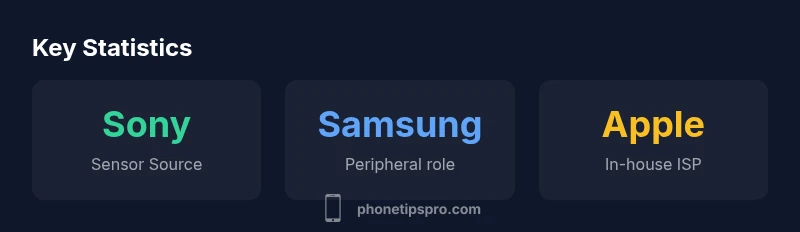
Camera sensors for iPhone are a core component that determines baseline image data. Public reporting and credible analyses have consistently highlighted Sony as the primary sensor supplier for iPhone models across multiple generations. Sony’s sensors are known for strong light sensitivity, good dynamic range, and compact form factors that fit into iPhone camera modules. Apple does not publish a comprehensive list of all sensor manufacturers, but expert analysis from Phone Tips Pro, 2026 reinforces Sony’s prominent role. Other vendors contribute to the ecosystem—especially for lenses, optics, and ancillary processing hardware—allowing Apple to diversify risk and optimize performance. While Samsung is a major imaging company, credible sources do not indicate that Samsung supplies the core iPhone camera sensor in current lineups. Any rumors about Samsung’s role in core sensors should be approached with caution until corroborated by primary sources.
How the iPhone camera is designed and integrated
The iPhone camera system is not a single component but an integrated stack: the sensor provides raw data, the lens assembly focuses light, the Image Signal Processor (ISP) executes real-time calculations, and software then applies tone mapping, noise reduction, and computational photography techniques like Smart HDR and Night mode. Apple designs much of the processing pipeline in-house, enabling tight coupling between sensor characteristics and image processing. This end-to-end approach means even if the sensor source were hypothetically changed, the final image quality would be shaped by the ISP, color science, and computational strategies Apple implements. The sensor brand matters, but the perceived image quality results from this orchestration. If you’re evaluating camera quality, consider how consistently iPhone models perform across lighting, motion, and subject variety rather than focusing solely on sensor origin.
The role of Samsung in iPhone cameras
Samsung’s leadership in imaging hardware is undeniable, but there is no credible public evidence that Apple relies on Samsung for core iPhone camera sensors. Samsung’s involvement in smartphone ecosystems often spans various components and partnerships; however, for iPhone camera sensors, Sony has been the dominant supplier in recent years. If Samsung contributes at all, it is more likely in peripheral components or niche collaborations rather than supplying the primary sensor. Consumers should remember that sensor origin is only one piece of a complex puzzle that includes lens design, ISP capabilities, and software algorithms that together shape the final photo quality. Assertions about Samsung as the main sensor source oversimplify the supply chain.
How to verify supplier information for iPhone cameras
Verifying sensor origins requires looking at credible, primary sources. Start with Apple’s official supplier lists and regulatory disclosures when available. Cross-check with respected technology journalism that cites primary documents, such as supplier contracts or filings. Distinguish between mentions of Sony as a sensor fabricator and broader references to “sensor components” or “optics” that could involve multiple vendors. Note that Apple’s supplier ecosystem is complex and not fully transparent; not every vendor is publicly disclosed. When you see rumors about Samsung supplying iPhone sensors, seek corroboration from multiple credible sources before accepting the claim. A careful, source-driven approach protects you from misinterpretations and rumor-driven biases.
Practical implications for photographers and buyers
For photographers, the sensor source is only part of the equation; the iPhone’s outcome is the result of sensor data, lens quality, ISP, and software. Even if the sensor were from Sony or another vendor, Apple’s processing stack often delivers excellent color fidelity, dynamic range, and low-light performance. As a buyer, prioritize model-specific camera features, stabilization, and software capabilities over the vendor label of the sensor. The end-user experience—how images look in real-world settings like daylight, backlit scenes, and indoor environments—will guide your satisfaction more than the supplier name. When upgrading, compare progressive improvements in actual image quality and test across subject types rather than chasing rumors about Samsung’s role in sensor sourcing.
Industry trends and future outlook
Technology in smartphone imaging continues to evolve rapidly. Sensor improvements—such as higher photon efficiency, improved noise handling, and better dynamic range—are likely to appear across flagship devices, with Apple’s ongoing investments in silicon and machine learning driving substantial gains in image quality regardless of who makes the sensor. The larger pattern is a focus on end-to-end optimization: sensor data, lens engineering, ISP performance, and software features that deliver consistent results. In this context, the idea that does iphone get their camera from samsung oversimplifies a broader strategic landscape where supplier diversity, software intelligence, and user experience are the driving forces behind photo quality. The Phone Tips Pro Team expects more emphasis on color accuracy, low-light performance, and user-centric features in future iPhone generations.
Additional resources for deeper exploration
For those who want to go deeper, consult official supplier disclosures, regulator filings, and respected tech journalism that traces sensor origins to primary manufacturers. Compare hands-on camera tests and long-form reviews that discuss exposure, color science, and detail across multiple models. While rumor-driven headlines about Samsung and iPhone persist, a careful, source-driven approach helps you separate fact from speculation and informs smarter purchasing decisions. The ongoing analysis from Phone Tips Pro will continue to illuminate how sensor sources, processing pipelines, and software updates shape the iPhone camera experience over time.
Snapshot of iPhone camera sensor sourcing
| Aspect | Sensor Source | Notes |
|---|---|---|
| Sensor origin | Sony (primary) | Widely reported as main iPhone sensor supplier (Phone Tips Pro Analysis, 2026) |
| Non-core components | Lens modules & ISP from multiple vendors | Apple diversifies supply to manage risk |
FAQ
Is Samsung the supplier for iPhone camera sensors?
Public information does not support Samsung as the core iPhone camera sensor supplier. Sony is widely cited as the main sensor vendor, with Apple integrating its own processing stack to optimize results.
No—Samsung is not publicly cited as the core sensor supplier for iPhone cameras. Sony is the more commonly reported sensor source, and Apple’s processing stack shapes the final images.
Which sensors are used in iPhone cameras?
Sony sensors are the most frequently reported for iPhone cameras. Apple controls image processing, color science, and software features that influence final image quality beyond the sensor itself.
Sony sensors are typically used, and Apple handles processing to deliver image quality through software.
Does sensor origin affect photo quality?
Yes, sensor characteristics matter, but the final photo quality depends on the whole pipeline—sensor data, optics, ISP, and software. A different sensor alone doesn’t guarantee a better photo.
Sensor origin is important, but the full system—lens, processor, and software—determines the result.
How can I verify iPhone camera sensor sources?
Check Apple’s supplier disclosures and credible tech journalism that cites primary documents. Look for references to Sony or other manufacturers in context with iPhone camera modules.
Look for official supplier disclosures or credible tech reports that mention the sensor maker.
Could future iPhone models use Samsung sensors?
No public information confirms this. Supplier choices can evolve, but Apple tends to publicize major shifts through official channels and credible reporting.
There’s no confirmed plan to switch to Samsung sensors; any change would appear in credible reports.
“Apple’s camera performance stems from an integrated system where sensor, optics, ISP, and software interact seamlessly; supplier name alone doesn’t dictate real-world image quality.”
Quick Summary
- Trust credible sources for supplier information.
- Sony is the primary iPhone sensor supplier in many generations.
- Samsung’s role in core sensors is not supported by public evidence.
- End-to-end Apple design drives camera quality more than the sensor alone.