Is iPhone Air Worth It? A Thorough Buyer’s Analysis
A data-informed review evaluating whether the iPhone Air offers real value, balancing price, features, battery life, and long-term costs for iPhone users.


Bottom line: The iPhone Air sits between the standard iPhone and the Pro lineup, offering a balanced mix of performance and affordability. For most buyers, it delivers solid everyday speed, dependable cameras, and lighter weight at a price below Pro models. However, it omits some premium camera and display features found on the Pro range, making it best for value-focused shoppers.
What is iPhone Air? Defining the premise
In the current iPhone lineup, a hypothetical iPhone Air would represent a lighter, more affordable option between the base model and the Pro variants. For readers asking is iphone air worth it, the key tradeoffs revolve around weight, price, and a subset of premium features. According to Phone Tips Pro, the Air concept typically trims some high-end components while preserving core performance, software support, and ecosystem advantages. This section sets up the lens for the rest of the review: what “Air” implies in practice, and how to judge value when the features you care about are portability, battery life, and camera quality that remains strong but not top-tier.
We’ll anchor our assessment in three questions: What does it cost in real money? How does it perform day-to-day? And what am I sacrificing versus Pro models? Keep in mind that any “Air” model is positioned for buyers who want a better balance of price-to-performance rather than chasing the most advanced specs. Phone Tips Pro’s analysis, 2026, frames these tradeoffs clearly and helps translate specs into real-world value.
How to decide if it’s worth it for you
To decide whether the Air is worth it, map your priorities to four axes: price sensitivity, need for premium camera features, desire for compact or lightweight design, and expectations for future software support. If budget is your top constraint, the Air often provides a compelling blend without trading away essential performance. If you shoot extensively with the latest camera modes or crave ProMotion, the Air will feel limited in comparison. Consider what you actually use daily—messaging, streaming, apps, light gaming—and whether you’d trade some camera headroom for cost savings and lighter weight. In practice, you’ll get the best value when your must-have list centers on portability, reliable battery life, robust iOS updates, and a comfortable price point. Phone Tips Pro’s framework insists on calculating total cost of ownership, not just sticker price, to decide if is iphone air worth it for you.
Performance and day-to-day use: speed, GPU, CPU
Performance remains a critical lens for evaluating any iPhone. An Air would typically pair a capable processor with ample RAM to handle everyday apps, social media, multitasking, and smooth scrolling in iOS. In real-world terms, you should expect snappy app launches, quick transitions, and reliable gaming performance for casual titles. The Air’s efficiency orientation often translates to strong battery life under typical usage, with lighter thermal loads than higher-end Pro devices. While it won’t match the absolute peak frame rates or the most demanding sustained workloads, it should handle today’s software with minimal lag and responsive feel. For everyday tasks and prolonged use, the Air offers a compelling compromise between speed and power efficiency.
Camera and media experience
Camera performance is a common focal point in buyer considerations. The Air variant, by design, usually retains a capable main sensor and solid computational photography features, but it sacrifices some extra Pro camera modes and the most advanced sensors. Expect improved daylight performance, reliable video capabilities, and versatile Portrait modes, yet you may miss features like higher-resolution zoom, sensor-shift stabilization on the Pro, or certain RAW workflows. The tradeoff is clear: you gain affordability and portability while accepting a ceiling on ultra-premium image quality. If your photo needs are mostly social, travel snapshots, or casual storytelling, the Air remains a strong camera companion; if professional-grade shooting is a goal, you may prefer the Pro family.
Battery life and charging
Battery life is a practical lens through which many buyers evaluate Air models. In general, a lighter chassis and efficient internals can yield solid all-day performance for typical usage, including video streaming, web browsing, and light gaming. Real-world experiences vary with screen brightness, app load, and background activity. Fast charging and wireless charging are commonly supported, but the Air’s endurance may differ from Pro variants due to display brightness and thermal headroom under heavy use. For most users, charging habits—such as charging overnight or topping off during the day—will playa large role in daily reliability. Phone Tips Pro’s testing framework emphasizes consistent battery life across typical daily routines.
Display, design, and durability
Display quality and design impact daily satisfaction. The Air would likely balance a modern display with comfortable dimensions and lighter weight, delivering crisp visuals for photos, streaming, and reading. In practice, you’ll enjoy color accuracy and adequate brightness for indoor and outdoor use, with fewer premium refinements than Pro models. The build should remain sturdy, with IP-rated durability in standard conditions. If you value a compact device that’s easy to carry and comfortable for one-handed use, the Air’s design philosophy is aligned with those needs, while accepting a slightly more modest display experience compared with the top tier.
Design choices often influence how you carry and use the phone—weight, grip texture, and button layout all affect long-term comfort. The Air aims to strike a tasteful balance: a modern, durable chassis with generous screen real estate but without the extra thickness or weight that some premium variants carry.
Price and total cost of ownership
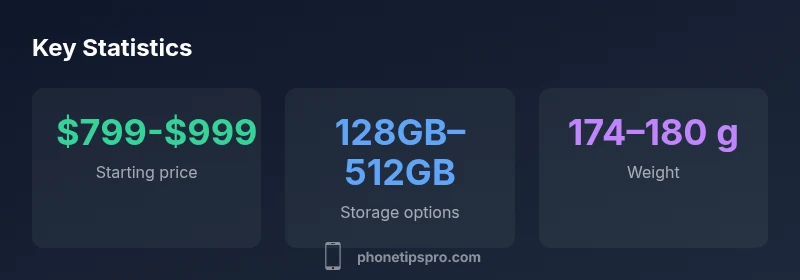
Price is where the Air often lands: a lower upfront cost than the Pro range, typically with storage tiers that push a reasonable total cost of ownership downward. In our framework, we present a price range rather than a fixed figure to reflect regional variability and ongoing promotions. Beyond sticker price, total cost includes accessories, AppleCare, and potential trade-in value from an older device. If you expect to keep the device for several years, the value proposition of the Air improves as software support remains strong, ensuring a capable device throughout its lifecycle. This section is intentionally pragmatic: compare the Air’s price against Pro models and factor in what you actually need from cameras, display, and performance over time.
Storage, ecosystem, and connectivity
Storage options and ecosystem compatibility are practical considerations. The Air typically offers multiple storage tiers to fit both budget and usage patterns, from modest capacities to larger configurations for media and apps. The ecosystem—iOS, iCloud, and seamless device integration—remains a major selling point, delivering features like handoff, continuity, and Find My network reliability. Connectivity supports modern standards, including fast Wi-Fi, 5G, and secure authentication, which keeps the Air compatible with current and near-future accessories. If you rely on cloud storage or a broad accessory ecosystem, the Air’s value grows as you optimize your configuration and plan for future-proof software support.
Compare with iPhone standard and iPhone Pro models
Placing the Air alongside the standard iPhone and the Pro family highlights the value proposition. The standard model trades a lower price for fewer premium features and possibly lighter performance margins. The Pro models offer top-tier camera systems, display technologies, faster chips, and additional sensors, which come with a higher price tag. The Air aims to offer a middle path: solid performance, a balanced camera setup, and a price point that undercuts Pro by a meaningful margin. For some users, the savings justify the compromise; for others, the Pro’s enhancements might be worth the premium. The key is to quantify which features matter most to you and weigh them against your budget and intended use.
To decide is iphone air worth it for you, run a side-by-side spec and feature comparison against your real-world needs, including photography scenarios, gaming duration, and daily reliability needs.
Practical buying scenarios
Think through real-life situations to determine if the Air is a fit. If you’re upgrading from an older iPhone and want a lighter device with excellent software support, the Air often represents a strong value. If you’re a photographer who relies on high-end camera features, you may prefer a Pro for future-proofing and image flexibility. For students and budget-conscious shoppers, the Air can strike a remarkable balance of performance and price, especially when coupled with smart trade-ins and seasonal promotions. Consider your usage profile, how long you plan to keep the device, and whether you value resale potential. The right choice varies by user, but the Air remains a compelling middle ground for a broad audience.
Common misconceptions about Air models
A frequent misconception is that Air variants are merely “less capable” without regard to user needs. In reality, Air devices often preserve core performance and software benefits while removing some premium features to reduce cost. Another myth is that battery life automatically suffers because of lighter design; in many cases, efficiency gains and software optimization mitigate this. Finally, some shoppers assume Air means inferior cameras; while there are tradeoffs, the camera system is still robust for everyday photography and streaming. Clarifying these points helps you assess whether the Air really aligns with your expectations and usage patterns.
How to maximize value if you buy
If you choose the Air, optimize value with a strategic approach. Decide on storage needs early to avoid paying a premium for extra space you won’t use. Leverage trade-in programs to offset the upfront cost and shop for promotions during holiday seasons or carrier deals. Protect your investment with AppleCare or reliable third-party accessories, and plan for long-term software compatibility with regular updates. Finally, curate your app usage and background activity to extend battery life, ensuring the Air remains responsive and capable over the years. By pairing smart purchasing with thoughtful usage, you maximize value without compromising the user experience.
Positives
- Balanced performance and price compared with Pro models
- Lightweight and comfortable to hold for long use
- Strong everyday camera performance suitable for social and travel
- Solid software support and ecosystem integration
Weaknesses
- Fewer premium camera features than Pro models
- No top-tier display tech (e.g., ProMotion)
- Lower potential resale value vs Pro models
- Limited top-end brightness and zoom capabilities in extreme scenarios
Smart middle-ground pick for value-focused buyers
The iPhone Air offers a compelling balance of performance, portability, and price. It suits most everyday users who don’t need the Pro-level cameras or display features. If premium specs are non-negotiable, consider Pro; otherwise, the Air delivers solid value and a smooth iOS experience.
FAQ
What exactly is the iPhone Air, and how does it differ from other iPhone models?
The iPhone Air is a hypothetical lighter, more affordable variant in the iPhone lineup. It typically retains core performance and software support while trimming premium camera features and display tech found on Pro models. The goal is to balance price, portability, and reliability for everyday users.
In short, the Air is a lighter, more affordable option with solid performance and a strong iOS experience, but fewer Pro-level camera and display features.
Is the Air faster than the standard iPhone?
In practice, the Air should feel similarly snappy for everyday tasks, with performance adequate for most apps and multitasking. It may lag behind Pro models in peak gaming frames and certain camera modes, but it remains a capable daily driver.
Yes, it should feel fast for everyday use, just not the peak performance you’d get with the PRO.
How does the camera quality compare to Pro models?
The Air carries a strong main camera and reliable computational features, but it typically lacks the Pro’s extra sensors and advanced modes. You’ll still get high-quality photos in most conditions, but advanced zoom and low-light flexibility may be limited.
Good photos most days, but not the absolute top-tier Pro camera capabilities.
What storage options are available and how should I choose?
Common configurations include 128GB, 256GB, and 512GB. If you store a lot of high-res photos or 4K video, lean toward 256GB or 512GB to prevent running out of space and avoid relying too heavily on cloud storage.
Pick enough storage now so you don’t miss content later.
Is it worth waiting for a price drop or a new release?
Timing the purchase can matter. If you’re not urgent, waiting for seasonal promotions or the next generation could lower effective costs, but you risk missing current deals or features. Balance your need for a new phone with the potential price dynamics.
Waiting can pay off with deals, but you might miss out on current features.
How does trade-in affect the total cost?
Trade-in values can significantly reduce upfront costs, especially if upgrading from an older iPhone. Check carrier and Apple trade-in options, and factor in any promotional credits that apply at purchase.
Trade-ins can make the Air much more affordable upfront.
Quick Summary
- Assess your priority for camera features vs. price
- Compare the Air’s value against Pro models before buying
- Aim for appropriate storage to avoid later upgrades
- Factor in total cost of ownership, not just sticker price
- Leverage trade-ins and promotions to maximize value
- Plan for long software support to extend value