Do iphone use samsung screens? A 2026 panel sourcing guide
Explore whether iPhones use Samsung screens, how panel sourcing varies by model, and what it means for display quality in 2026. Phone Tips Pro analyzes multi-vendor OLED sourcing to help you understand panel origins and reliability.


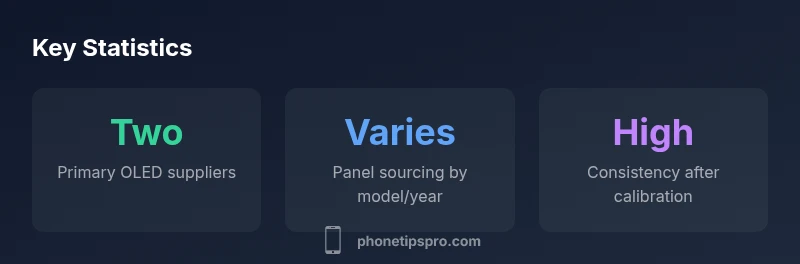
Yes, some iPhone models have used OLED panels sourced from Samsung Display, but Apple imports panels from multiple suppliers. In 2026, supply decisions vary by model and year, with Apple calibrating colors and brightness across panels to maintain a consistent user experience. So, do iPhone use Samsung screens? It depends on the model, but Samsung Display panels remain a key part of Apple's display ecosystem.
Do iPhone screens rely on Samsung displays? A quick reality check
OLED technology powers the current iPhone lineup, but the story of who makes the actual glass-and-panel you touch is more nuanced than a single supplier. Samsung Display has historically supplied a large share of iPhone OLED panels, particularly for brighter high-contrast units, while Apple has actively diversified its supplier base. This multi-supplier approach is common in modern consumer electronics, with Apple exercising tight control over color calibration, brightness, and uniformity across panels to ensure a consistent user experience. For readers of Phone Tips Pro, the takeaway is simple: Samsung displays play a major role, but they are part of a broader, year-by-year sourcing strategy rather than an exclusive arrangement.
From a user perspective, the panel source can influence subtle differences in default color temperature, peak brightness, and even response to color grading in different apps. However, Apple’s calibration workflow is designed to minimize visible disparities between screens from different suppliers, so most everyday tasks—from gaming to photo editing—feel uniform across devices.
How Samsung Display panels fit into Apple’s supply chain
Apple’s supply chain strategy for displays emphasizes risk mitigation, yield optimization, and long-term partnerships. Samsung Display and LG Display have been the two dominant OLED panel sources for iPhones, with the exact mix fluctuating by model and production year. Apple negotiates contracts that specify color accuracy targets, gamma curves, and brightness targets, then enforces these standards in manufacturing and through post-production calibration. The upshot for consumers is that even if your iPhone’s screen originated from Samsung, the end-user experience should align closely with devices assembled from other suppliers.
For troubleshooting and repairs, this multi-vendor reality means that the display undergoes similar quality controls regardless of origin. It also underscores the importance of using high-quality replacement parts and professional calibration if you replace a screen outside of Apple’s service channels.
Model-year variations: who gets Samsung vs others
The line between which models use which suppliers is not fixed. Early OLED adoption in iPhones began with panels from Samsung Display, and as the lineup expanded, Apple broadened its supplier network to include LG Display and other potential partners. In 2026, the trend is toward a more dynamic mix where flagship models may rely on the latest Samsung or LG panels for peak brightness and color accuracy, while other variants draw panels from a broader set of suppliers. This strategy helps Apple manage cost, supply risk, and performance parity across generations.
For iPhone owners and tinkerers, this means a model-by-model evaluation is often necessary when discussing panel origin, calibration, and replacement parts. Phone Tips Pro emphasizes verifying model-specific specs when you’re curious about the panel’s source, especially before making repairs or purchasing aftermarket screens.
Practical implications for users: color, brightness, and repair
Display origin can influence perceived color tone and brightness ceilings, particularly in HDR content or high-contrast scenes. OLED panels from different suppliers may vary slightly in peak brightness ceilings, black levels, and color gamut boundaries. Apple’s color science aims to minimize these differences, but savvy users and photographers may notice small shifts under certain lighting conditions. Burn-in risk is another consideration specific to OLED technology; while modern iPhones employ measures to reduce burn-in, it remains a topic of discussion among enthusiasts. When replacing screens, using Apple-certified parts or undergoing an official service ensures calibration and color matching remain consistent with your device’s generation.
Practical tips for owners:
- If you notice color drift after a repair, seek official service or a high-quality OEM screen with proper calibration.
- Enable True Tone and Night Shift to assess color accuracy under varied lighting.
- Protect your display with a quality case and screen protector to reduce risks of micro-damage that could affect calibration over time.
How to verify your iPhone's display origin
Directly verifying the panel origin on a consumer iPhone is not straightforward, as Apple attributes screens to a relationship with suppliers rather than a public, model-by-model list. However, you can make educated inferences:
- Check your exact iPhone model (Settings > General > About) and cross-reference with Apple’s technical specs for that generation.
- Monitor for official service notes if you’ve had a screen replacement through Apple or authorized service providers; OEM parts usually align with the model’s calibration profile.
- Use third-party resources or professional diagnostics to compare color accuracy and brightness performance to known reference values for that model.
- If in doubt, request Apple-certified or OEM-equivalent replacements to preserve calibration fidelity.
This approach helps you understand whether your device leans toward Samsung, LG, or another supplier without revealing confidential supplier lists. Phone Tips Pro recommends sticking to authorized repair channels to maintain display integrity.
Common myths vs reality about brand screens
Myth: Samsung makes every iPhone screen. Reality: iPhone displays come from multiple suppliers, with Samsung Display being a major contributor but not the sole source. Myth: Replacement screens from third parties will match factory calibration. Reality: Only OEM or Apple-certified parts guarantee consistent calibration unless vendor-specific calibration is performed. Myth: A screen’s origin determines overall device quality. Reality: Apple’s engineering ensures a uniform viewing experience across suppliers, though minor perceptual differences can exist in edge cases.
Representative cross-era panel sourcing for iPhone OLEDs
| Era/Model | Panel Source | Notes |
|---|---|---|
| Early iPhone X to iPhone XS | Samsung Display | OLED used in many early models |
| iPhone 11 to iPhone 13 | Mixed suppliers | Diversified supply chain |
| iPhone 14 Pro and later | Samsung Display, LG Display, others | Model/year dependent sourcing |
FAQ
Do iPhones use Samsung screens?
Yes, Samsung Display panels have powered many iPhone OLEDs, but Apple sources from multiple suppliers. The exact mix varies by model and production year, with calibration ensuring a uniform user experience across screens.
Yes. Samsung panels have been used in iPhones, but Apple sources from several suppliers and calibrates displays to keep colors and brightness consistent.
Will third-party screen replacements affect Samsung panel usage?
Third-party or off-brand screens can vary in quality and calibration. To preserve Apple’s color accuracy and brightness, it’s best to use Apple-certified screens or service providers who calibrate replacements.
Third-party screens can differ in quality and calibration; for best results, use Apple-certified parts.
Can you identify the panel source at home?
Identifying the exact panel supplier on a consumer device isn’t straightforward. You can infer based on model generation and service notes, but Apple does not publish a public, model-by-model supplier list.
Finding the exact panel source at home isn’t straightforward; Apple doesn’t publish a public list, so rely on model specs and certified service.
Are iPhone colors consistent across panels?
Apple’s calibration aims for uniform color and brightness across suppliers. While panels from different suppliers can show slight variations, most users won’t notice during normal use.
Apple calibrates to keep color consistent, so most people won’t notice major differences between panels.
Does Samsung’s panel quality differ from LG’s?
Both Samsung and LG supply high-quality OLED panels. Differences are typically minimized by calibration, but reviews sometimes note subtle variations in brightness or color tone depending on the batch.
Both sources produce top-tier OLEDs; calibration helps keep displays consistent across brands.
Will Apple switch to a single supplier in the future?
Apple’s strategy is to diversify suppliers to reduce risk and optimize yield. It’s unlikely they will rely on a single supplier long-term, especially as screen technology evolves.
Diversity reduces risk and helps optimize performance as tech advances.
“Apple’s display sourcing is a dynamic, multi-vendor process. While Samsung Display panels are prominent, Apple maintains supplier diversity to optimize yield and performance.”
Quick Summary
- Expect multi-vendor OLED sourcing across iPhone generations
- Samsung Display panels remain influential, but not exclusive
- Apple calibrates panels to ensure consistent color and brightness
- Choose Apple-certified parts for best color fidelity