iPhone Screen Fix Cost Guide for 2026
Learn realistic iPhone screen fix costs for 2026 with model-based ranges, compare Apple vs independent repairs, and discover tips to save without compromising quality.


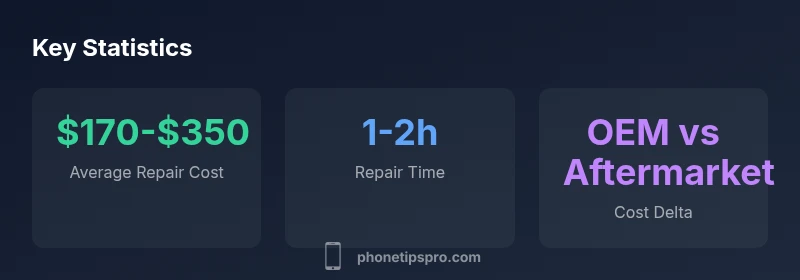
The typical iPhone screen fix cost varies by model and provider. In 2026, most out-of-pocket charges fall in the low-to-mid hundreds range: older devices closer to $100–$250, newer OLED models higher, and Pro/Max variants near $300–$600 without AppleCare+. According to Phone Tips Pro, compare OEM parts, warranties, and quotes to save.
Why screen repair costs vary
Screen replacement pricing for iPhones is driven by a handful of core factors, and understanding them helps you plan a smarter repair budget. The model you own dictates the parts needed; OLED ProMotion screens in newer devices tend to be pricier than older LCDs. The repair channel matters too: an Apple Store or authorized service provider typically uses OEM parts with official warranties, while independent shops may offer aftermarket parts at lower upfront prices. Labour costs can differ by region and the shop’s labor rates. Finally, the presence of AppleCare+ or other protection plans significantly changes your out-of-pocket responsibilities. For iPhone users, a practical approach is to estimate a price band, then shop around for multiple quotes to see how the numbers compare across providers.
In practice, you should plan for variability. A repair that seems inexpensive at first may incur added costs for diagnostic fees, data recovery, or mounting adhesives. Always ask for a written quote that itemizes parts, labor, and any warranties. This helps prevent surprise charges and makes it easier to evaluate whether a premium repair is worth it for your case.
Apple vs independent repair: cost implications
When deciding where to fix your screen, price is only one piece of the puzzle. Apple Stores and Apple Authorized Service Providers typically price repairs higher due to official parts and a full warranty. They also guarantee the repair will preserve water resistance and device authentication. Independent repair shops may offer lower base prices, quicker turnaround, and a broader selection of third-party screens. The trade-off can be variability in part quality and warranty terms. In many cases, if you have AppleCare+, the deductible is lower at Apple than with an independent shop, but you should confirm the current deductible and coverage terms for your model. For budget-conscious users, getting a quote from both sources and asking about OEM versus aftermarket parts with warranty is essential.
A common mistake is assuming cheaper means better. The lifecycle cost includes part quality, device compatibility, and post-repair performance. If a shop offers non-OEM components without a warranty, you may face additional costs later if the screen fails or shows color drift. A careful balance is usually found with reputable independent shops that offer OEM-equivalent screens with a warranty, versus the more expensive Apple option when you want maximum assurance.
Cost ranges by model (estimates) — iphone fix screen cost
Pricing for screen repairs varies by model, screen type, and provider. Broad estimates (in 2026) can be useful when negotiating, but always request a written quote before authorizing work. For older devices with LCD or older OLED panels, expect lower bands in the range of a couple hundred dollars. Mid-range models with newer OLEDs tend to land in the higher hundreds, while the latest iPhones with advanced display tech can push costs toward the upper end of the spectrum. These ranges reflect typical scenarios across shops and Apple channels, not a single price for every device, and they assume standard protective glass and frame components rather than premium customization. Always check for any included warranty and the parts quality when comparing quotes.
To illustrate, a rough framework might look like this: older models around the low hundreds, mid-range devices in the mid to upper hundreds, and premium Pro/Max variants approaching or crossing the thousand-dollar mark only if exclusive features or severe damage are involved. The key takeaway is that costs scale with the display technology and the repair environment.
For transparency, remember that actual numbers depend on your locale, the shop, and your model. Treat any estimate as a starting point and insist on line-item details so you can compare apples to apples.
Do-it-yourself vs professional repair: cost and risk considerations
DIY screen replacement is technically possible, but it carries notable risks and often isn’t cost-effective for most users. Modern iPhones seal critical components and rely on precise calibration for touch sensitivity, color accuracy, and true-tone performance. Without the right tools and training, you can damage the display assembly, the front camera, or the anti-reflective coating, turning a cheap fix into an expensive repair. Professional options, by contrast, provide a warranty on parts and labour, a tested installation, and access to calibrated equipment. If you do decide to DIY, only proceed if you have high confidence in electronics repair, access to OEM or near-OEM parts, and the ability to verify device functionality after completion.
If you’re weighing cost versus risk, a professional repair often yields a lower total cost in the long run by avoiding secondary issues and data loss. In many cases, the time saved and the warranty payoff justify paying a bit more for a professional service. Always consider the value of your data and device reliability when making this choice.
How to compare quotes and protect yourself
To avoid overpaying, follow a simple, repeatable process. First, gather at least three quotes from Apple, an authorized service provider, and one reputable independent shop. Second, request a breakdown: parts (OEM vs aftermarket), labor, diagnostic fees, and any disposal charges. Third, ask about warranties on both parts and labour—ideally a minimum 90 days. Fourth, confirm the replacement screen’s compatibility with features like True Tone, color accuracy, and touch responsiveness. Finally, read recent customer reviews about the shop’s reliability and post-repair performance. Use a written contract or emailed quote so you have a reference if costs change mid-process. Informed comparisons reduce the odds of paying for unnecessary add-ons and misrepresented parts.
Aftercare and warranty considerations
After your screen is repaired, protect your investment with proper aftercare. Keep your device in a cool, dry environment and avoid exposing it to rapid temperature shifts. If you have a warranty, retain all receipts and the service record in case you need to claim coverage for future issues. Many providers offer a limited warranty on the screen assembly, which covers defects in materials or workmanship for a set period. Remember that attempting additional repairs yourself or using non-certified parts can void warranties, even if you paid a premium upfront. If you recently had a repair and notice abnormal touch response, dead zones, or color distortion, contact the service provider promptly for a recheck, ideally within the warranty window.
Quick tip: verify water resistance after replacement
Post-repair, test the device’s water resistance by placing it in a shallow bowl of water or using a specialized tester where available. If you notice any ingress or moisture behind the screen, bring it back for a seal check. The installer should reseal the device to original standards. Water resistance claims are often a selling point for higher-priced OEM repairs, so it’s worth confirming and documenting the seal test as part of your post-repair checklist.
Estimated screen repair cost ranges by iPhone model family
| Model Family | Estimated Repair Cost Range | Notes |
|---|---|---|
| Older iPhones (pre-XS) | $100-$250 | LCD or older OLED |
| Mid-range models (X/11/12) | $180-$320 | Higher complexity screens |
| Recent iPhones (13-14) | $240-$380 | OLED with higher durability |
| Latest (15/16 Pro/Max) | $300-$600 | ProMotion, premium glass |
FAQ
Are screen repair costs the same at Apple Stores and third-party repair shops?
No. Apple Stores usually charge a premium due to official parts and warranties, while independent shops can be cheaper but may vary in part quality and warranty terms. Always compare quotes and check part quality before proceeding.
Apple stores are often pricier but provide official parts and warranty; independent shops can be cheaper but check part quality and warranty.
Does AppleCare+ cover screen repair costs?
Yes, AppleCare+ typically reduces out-of-pocket costs for screen repairs, but you’ll still pay a deductible. Check your plan terms to confirm current coverage and deductible amounts for your model.
With AppleCare+, you usually pay a deductible, which lowers your repair bill compared to standard out-of-warranty pricing.
Can I fix the screen myself at home?
DIY repairs are risky on modern iPhones due to adhesive seals and delicate components. Without the proper tools and expertise, you can damage the display, camera, or sensors and void warranties.
DIY screen repair is possible for experts, but most people should avoid it to prevent further damage.
How long does a typical screen repair take?
Most repairs can be completed in 1-2 hours at a shop, though Apple Stores may require an appointment and could take longer depending on queue and part availability.
Most fixes take around a couple of hours, though timing can vary by location.
Will replacing the screen affect water resistance?
Replacement screens can affect water seals if not sealed correctly. Reputable shops re-seal and test the device; verify the water resistance after service.
A proper seal is important; always confirm the repair included re-sealing and a water-resistance check.
Is it worth paying more for a premium screen?
Premium OEM screens offer better color accuracy and durability, but aftermarket parts with a solid warranty can provide good value. Weigh longevity and warranty against upfront price.
Premium screens can be worth it for quality and longevity, but a good warranty on aftermarket parts can also be a solid choice.
“Screen repair costs vary widely by model and provider; always compare OEM parts, warranties, and quotes to ensure you get value without compromising quality.”
Quick Summary
- Shop multiple quotes to compare total costs
- OEM parts with warranty offer best value
- AppleCare+ typically lowers out-of-pocket costs
- Avoid DIY unless highly skilled
- Ask for clear, line-item quotes before agreeing