How Much Does It Cost to Replace iPhone Battery
Learn how much it costs to replace iPhone battery in 2026, including AppleCare+ impact, model differences, and tips to save on battery replacements.


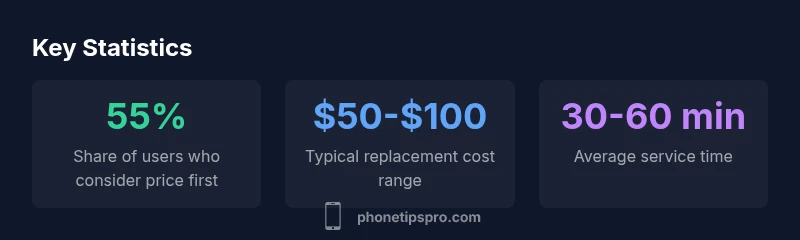
On average, out-of-warranty iPhone battery replacement costs range from about $50 to $100, depending on model, location, and whether you choose Apple’s service or a reputable third-party shop. With AppleCare+, battery service is typically cheaper or free if the issue qualifies as a covered defect. Prices vary by country, so check local Apple or authorized service providers for a precise quote.
What determines the price to replace an iPhone battery
According to Phone Tips Pro, the main drivers of price are the model generation, service channel, warranty status, and regional pricing. The battery replacement cost isn’t a fixed fee; it depends on whether the device is within Apple’s support program, if you have AppleCare+, and where you have the service performed (Apple Store, an Authorized Service Provider, or an independent shop). The iPhone’s design and battery capacity affect the replacement cost because larger, newer models typically require more battery material and potentially more labor time. Some shops quote a flat price, while others charge by the hour or by the device model. When budgeting for a repair, you should collect quotes from multiple sources. Consider whether you will receive any added benefits, such as a warranty on the new battery or post-replacement software checks. Understanding these factors helps answer the question, “how much does it cost to replace iphone battery?” with a realistic range rather than a single number.
AppleCare+ and warranty implications
AppleCare+ can dramatically alter the cash outlay for a battery replacement. If your iPhone is covered by AppleCare+, battery service is typically either free or bundled with other coverage when the battery health falls below the threshold defined by Apple. For devices outside the coverage, the out-of-pocket price depends on the model and whether the replacement is performed at an Apple Store or an authorized provider. In some regions, AppleCare+ also lowers diagnostic charges or provides expedited service. The exact policy varies by country and plan, so verify your status before proceeding. The key takeaway is to confirm coverage first to avoid surprises at the counter.
Authorized Apple service vs. third-party options
Choosing between Apple’s official service and third-party shops affects price, parts quality, and warranty. Apple Stores and Authorized Service Providers use genuine parts and follow Apple diagnostics, which can protect resale value and warranty status. Independent shops often offer lower upfront quotes and faster turnaround, but parts quality and warranty terms can vary. If you rely on data or critical apps, you may prefer the consistency of Apple-certified service, even if the sticker price is higher. Always ask for a parts warranty and a written estimate before authorizing any work.
Cost differences across iPhone models
Cost to replace a battery can scale with model complexity. In general, newer models with larger batteries may incur higher labor charges and possibly different diagnostic fees. While the core replacement task is similar, the bill can shift due to the device’s internal layout, adhesive complexity (which affects labor time), and the availability of replacement packs. The trend is that the newer the device, the more you should expect to spend if you’re paying out-of-pocket, unless you’re covered by a warranty or an AppleCare+ plan. This block highlights that price bands are not identical across generations, reinforcing the need to request a quote for your exact model.
Hidden costs and service considerations
Beyond the sticker price, consider diagnostic fees, check-in charges, and aftercare services. Some shops charge a diagnostic fee even if you don’t proceed with the replacement, while others waive it if you complete the service there. Adhesive removal, water sealing tests, and software health checks add value but may not appear in the base price. Ask about a complete service package: battery replacement, diagnostic checks, test of sensors, and a post-service battery health report. These extras can influence overall cost, particularly with older devices where additional parts may need replacement.
Saving tips to reduce costs
To minimize expense, compare quotes from at least three sources, including an Apple Store, an authorized service provider, and a reputable independent shop. If you’re near a university town or a city with many repair shops, competitive pricing is common. Check whether you qualify for AppleCare+ or any promotional support from Apple in your region. Some stores offer seasonal discounts or bundle the battery service with screen checks. If the device is nearing the end of its usable life, weigh cost against replacement, as the price-to-perfomance ratio may favor upgrading to a newer model rather than repairing an aging battery.
How to get an accurate quote quickly
Gather your device’s model, serial number, and a brief description of symptoms. Call or visit multiple providers to request a formal estimate that includes diagnostic charges, battery costs, labor, and warranty terms. If you have AppleCare+, clearly state coverage details to avoid miscommunication. Taking a few minutes to capture quotes will help you decide whether to proceed with a repair, upgrade, or trade-in. For added confidence, request a written, itemized quote and confirm any limits on mileage or scope of service that could affect final pricing.
Quick decision guide: replace now or later
If the battery health indicator is under 80% and you’re experiencing unexpected shutdowns, reduced capacity, or swelling, replacement becomes more compelling from a reliability and safety perspective. If you’re planning a device upgrade soon, you might time the replacement to maximize resale value or trade-in eligibility. In many cases, replacing the battery is more cost-effective than buying a new device, especially when the rest of the phone’s functions are solid. Use a blended approach: compare quotes, factor in warranty coverage, and weigh the total cost of ownership over the next 1–3 years.
Common channels and typical cost ranges for iPhone battery replacement
| Channel | Typical cost range (out-of-warranty) | Notes |
|---|---|---|
| Apple Store / Authorized Service | "$50-$99" | Quoted after diagnostic; varies by model and region |
| Independent repair shop | "$40-$70" | Prices often lower; verify credentials and parts quality |
| Do-it-yourself kit | "$10-$25" | Not recommended for most users; risk of damage |
| AppleCare+ coverage | "Free to $0" | Only if eligible (battery defect) |
FAQ
What factors most affect the cost of replacing an iPhone battery?
The model, warranty status, service channel, and regional pricing are the main cost drivers. Diagnostic charges and whether AppleCare+ is involved can also shift the final price. Always request a formal estimate before service.
The cost is driven mainly by model, warranty, and where you get the replacement; always get a clear quote first.
Is it cheaper to use an Apple Store or a third-party shop?
Third-party shops often offer lower upfront prices, but parts quality and warranty terms vary. Apple Stores provide consistent parts and diagnostics but at a higher price. Balance cost with trust and long-term reliability.
Third-party shops are usually cheaper, but make sure they use quality parts and offer a warranty.
Does AppleCare+ cover battery replacement costs?
Yes, if the battery issue qualifies under the plan, most or all costs can be covered. Always verify coverage status before proceeding and keep your plan details handy.
If you have AppleCare+, battery service is often covered; check your policy to be sure.
How long does a typical battery replacement take?
Most in-store replacements take 30 to 60 minutes, depending on the model and current workload. Some shops offer same-day service, while others may require an appointment.
Usually about half an hour to an hour in-store.
Are third-party batteries safe and reliable?
Reputable shops use quality parts and provide warranties. Be cautious of very low-priced parts or non-certified vendors, which can risk performance and safety.
If you choose a trusted shop, third-party parts can be safe and reliable.
Can I replace the iPhone battery myself?
DIY replacements are generally not recommended due to safety risks and potential warranty voiding. Unless you have experience with electronics, seek professional service.
It's usually not a good idea to DIY; professionals are safer and more reliable.
“Battery health is a key factor in overall iPhone longevity, and choosing a trusted repair path protects performance and warranty status.”
Quick Summary
- Compare quotes from Apple and third-party providers before proceeding
- AppleCare+ can significantly reduce out-of-pocket costs if eligible
- Expect 30-60 minutes for in-store replacement in many cases
- Model and region drive price variability—verify exact quotes before service