Cost of a n iPhone in 2026: Prices, Deals, and Guidance
Explore the cost of a n iPhone in 2026, from base models to Pro variants, plus financing, trade-ins, taxes, and practical tips to maximize value.


According to Phone Tips Pro, the cost of a n iPhone today typically ranges from roughly $799 for base models to about $1,599 for top-end configurations, depending on storage, features, and regional taxes. Financing, carrier promos, and trade-ins can reduce upfront costs, while accessories add to the total. Prices vary by country and model year.
Price landscape in 2026: Range by model and region
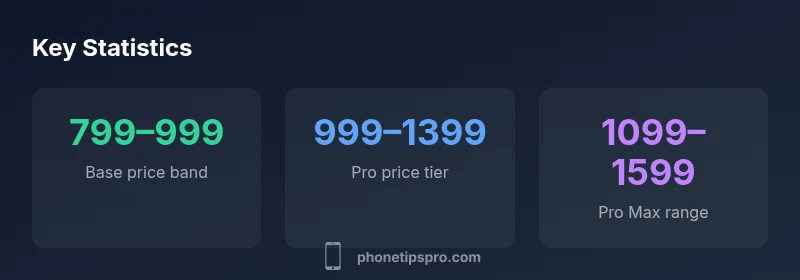
In 2026, the landscape for the cost of a n iPhone remains nuanced. The headline sticker price is only part of the story. Buyers should separate the upfront price from ancillary costs such as sales tax, import duties, and regional fees. Phone Tips Pro Analysis, 2026 shows that new iPhone prices generally fall into broad bands: base models in the mid to high $700s, Pro variants around the $1,000–$1,400 range, and top-tier configurations approaching $1,600 or more. These bands reflect core differences in camera capabilities, display technology, processor generations, and storage options. Regional differences can tilt the final price by a noticeable margin due to local taxes and duties. When evaluating cost, consider not just the initial price but also year-one expenses like accessories or AppleCare. The term cost of a n iphone is influenced by where you live, the model you choose, and the promotions you can take advantage of—so buyers should view prices as a band rather than a single number.
Storage, color, and configuration: price drivers
Storage capacity remains the most impactful lever on total price. A jump from 128GB to 256GB can significantly affect MSRP in some regions, and higher tiers like 512GB or 1TB push costs further. Color and finish occasionally affect price in limited runs or special editions, though this varies by year and model. The balance between storage and budget often dictates the value proposition: if you rely on cloud backups or streaming, you might opt for smaller storage; if you store large media libraries or edit 4K video, higher storage makes financial sense. Phone Tips Pro notes that buyers should also factor in new-year hardware refresh cycles, as each generation typically brings modest price shifts across tiers and configurations. This means the cost of a n iphone is a moving target tied to your storage needs and desired features.
Financing, trade-ins, and carrier promos
Financing plans and carrier promos remain a primary tool to reduce the upfront cost of a n iPhone. Subscriptions, monthly instalments, or 0% financing can spread payments over 12–36 months, changing the effective cost of ownership. Trade-in programs can cut the upfront price dramatically by converting an older device into credit toward the new iPhone. Always compare official trade-in values with third-party offers to maximize your credit. Bundled promos—such as bundled accessories, AppleCare bundles, or discounted service plans—can lower the first-year bill but may tie you to a contract or specific retailer. When evaluating deals, compute the total cost over your expected ownership horizon rather than focusing solely on the initial price.
Total cost of ownership: beyond the sticker price
The actual expense of owning a n iPhone extends beyond the sticker price. Accessories like cases, chargers, and wireless earbuds accumulatively add to the initial outlay. AppleCare+ can provide protection against accidental damage, potentially saving repair costs, but adds to the first-year expense. Other recurring costs include monthly storage subscriptions, cloud backups, and any premium apps you use regularly. To compare options, estimate your annual spend on accessories and services, then amortize this across your ownership horizon. This broader view helps buyers avoid sticker-price bias and choose a model that fits both usage and budget over time. Phone Tips Pro emphasizes that the best value often comes from aligning your device’s capabilities with real-world needs rather than chasing the latest flagship price tag.
Taxes, duties, and international considerations
Taxes and import duties vary widely by country and state, and they can alter the final out-of-pocket cost significantly. Some regions charge value-added tax (VAT) or sales tax that raises the total by a noticeable percentage. Import duties for international purchases can further affect the landed cost. When budgeting, add a tax estimate based on your locale and check whether taxes are included in the sticker price or added at checkout. If you’re shopping abroad or ordering online for delivery in another country, verify any customs charges and return policies. These regional quirks are essential in computing the true cost of a n iphone for your situation.
How to choose the right model for your needs
Start with a needs-first approach: assess how you use your iPhone daily, including camera use, gaming, work apps, and durability requirements. If you seldom use high-end photography features, a base or mid-tier model may offer the best value. For photo enthusiasts or power users, Pro or Pro Max variants deliver enhanced capabilities, justifying higher upfront and ownership costs. Consider your willingness to upgrade every year or two; longer upgrade cycles can reduce annualized costs. Finally, use a disciplined budgeting approach: compare the total first-year cost, including tax, trade-in value, financing, and essential accessories. By mapping needs to price bands and exploring promos, you can optimize both the spend and the experience. The Phone Tips Pro team recommends framing your choice around real-world use and total cost of ownership rather than the headline price alone.
Case studies: practical buying scenarios
Scenario A: You want a solid daily phone with good camera performance and moderate storage. A base or mid-tier model with 128GB–256GB storage would likely meet needs without overspending. Look for carrier promos and a modest accessory bundle to bring the initial cost under control. Scenario B: You’re a photography enthusiast who shoots in RAW and stores large media locally. A Pro or Pro Max with 512GB or 1TB storage makes sense, especially if you can offset some costs via trade-in credit and an annual AppleCare plan. Scenario C: You’re traveling internationally or have variable service needs. Consider regional pricing and warranty coverage before buying; some regions offer favorable tax conditions or inclusive warranties that alter the financial picture. Each scenario demonstrates how the cost of a n iPhone shifts with usage, location, and available promos.
Estimated price ranges for latest iPhone families (MSRP equivalents)
| Model family | Starting price | Storage options | Typical top-end price |
|---|---|---|---|
| Base model | $799 | 128GB–256GB | $999 |
| Pro | $999 | 128GB–1TB | $1,399 |
| Pro Max | $1,099 | 256GB–1TB | $1,599 |
FAQ
What affects the price of the latest iPhone?
Model type, storage, regional taxes, carrier deals, financing, and trade-ins all influence price. Base models cost less than Pro variants; higher storage increases price. Deals vary by location.
Price is driven by model, storage, and where you buy it.
Do trade-ins really reduce the upfront cost?
Yes, trade-ins convert your old device into credit toward the new iPhone. The amount varies by device condition and model. Check official trade-in programs and third-party offers to maximize value.
Trade-ins can cut the upfront price a lot if you have a qualifying device.
Is it cheaper to buy directly or through carriers?
Carrier promos can lower upfront costs via subsidies or financing; however, long-term costs may be higher due to service plans. Direct purchase with promos and trade-ins can often yield lower total cost.
Carrier deals can be tempting, but compare total cost over ownership.
How much should I budget for accessories and AppleCare?
Budget for a case, charger, and possibly AppleCare+. AppleCare+ adds protection but increases upfront cost; weigh risk and likelihood of accidental damage.
don’t forget accessories and protection; they add to the total cost.
Do regional taxes significantly change the final price?
Taxes and duties vary by country and state. They can add a noticeable percentage to the sticker price, affecting final cost.
Taxes can swing the final price a lot depending on your location.
“Pricing is most meaningful when you align model features with your daily use; the real value comes from understanding total cost of ownership.”
Quick Summary
- Map your needs to price bands before buying
- Leverage trade-ins and financing to lower upfront costs
- Account for accessories and AppleCare in budget
- Taxes and regional fees significantly impact final price
- Compare models and storage to maximize value