iPhone Price Guide 2026: What to Expect and How to Save More
Discover how iPhone pricing works in 2026, including base models, storage options, taxes, trade-ins, and financing. This guide helps you estimate total costs and compare deals for smarter, value-driven purchases.


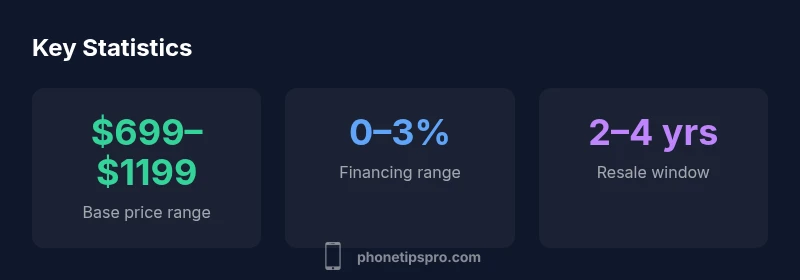
iPhone prices typically range from about $699 to $1399 before promotions. The exact price depends on model, storage, and where you buy. In 2026, savvy buyers evaluate base price, taxes, financing, and potential trade-in value to determine the true cost of ownership. Consider regional price differences and retailer promotions for a fuller picture.
Why iphone a price matters for buyers
When you hear the phrase iphone a price, you’re not just thinking about the sticker on the box. You’re evaluating the total cost of ownership over the device lifecycle. According to Phone Tips Pro, the best way to think about price is to separate upfront costs from ongoing costs and future value. The base sticker price is important, but taxes, financing charges, carrier subsidies, and potential trade-in credits can dramatically shift what you actually pay. For 2026, this means buyers should map out a simple model: base price plus taxes, financing costs (if any), and the expected trade-in value at the time of your next upgrade. By focusing on total cost rather than the initial price tag, you’ll avoid overpaying and set realistic expectations for the practical cost of owning an iPhone across two to three years.
How iPhone pricing is structured
Pricing is not a single number but a ladder of costs driven by model tier, storage, and optional features. The baseline price applies to the non-Pro models, with incremental jumps for higher storage options and Pro variants. In 2026, the Pro and Pro Max lines command premium pricing due to enhanced camera systems, faster processors, and larger memory ceilings. Color, finish, and exclusive accessories also influence the sticker price in some markets. Retail channels—Apple Store, carriers, and third-party retailers—often present different price points, promotions, and financing terms even for the same model, so it’s essential to compare apples to apples across channels.
Regional variation and taxes
Prices vary widely by region due to taxes, duties, and import fees. In the United States, state and local sales taxes can noticeably affect the final checkout total. In other regions, VAT or GST can substantially alter the in-store price. Phone Tips Pro analysis shows that regional promotions and tax rules can swing the total by a couple of percentage points or more. When budgeting, always include local taxes, potential recycling or environmental fees, and shipping costs if buying online. These factors explain why the same model can cost more in one country or state than another.
Storage, color, and model differences
Storage capacity is a primary price driver. A higher storage tier often adds a significant fixed amount to the base price. Pro models bring price increases due to advanced cameras, higher-end materials, and sometimes faster charging or display tech. Colorways and exclusive finishes can also influence price in limited markets, though the impact is typically modest compared with storage and model tier. If you’re deciding between two configurations, a straightforward rule of thumb is to only pay for the storage you will actually use over the lifecycle of the device.
Financing, trade-ins, and promotions
Financing can spread cost over meaningful periods, affecting the total cost through interest and fees. Trade-ins can dramatically reduce upfront costs by applying credit toward your new device. Carrier promotions and education discounts can further lower the effective price, sometimes even lining up with or exceeding the discounts you’d see in a direct purchase. When evaluating offers, compute your total out-of-pocket expense after trade-in credits and any financing costs to compare with outright purchases.
Where to find the best deals: official Apple Store, carriers, and retailers
The official Apple Store offers reliable financing options and periodic education or student pricing in some regions. Carriers frequently run promotions such as trade-in credits, multi-line discounts, or bundled accessories. Reputable retailers may have limited-time price cuts or bundle deals that include cases, earbuds, or extended warranties. Always verify warranty terms and return policies before committing. For cost-conscious shoppers, compare total costs across these channels and look for promotions that apply to your eligible model and storage choice.
Timing purchases around new releases and seasonal promos
Apple typically introduces new models on a yearly cycle, often triggering price adjustments for older stock. If you can wait, you may see price reductions on last year’s models after a new release. Seasonal promotions—back-to-school, Black Friday, and post-holiday sales—can offer meaningful savings, especially when combined with trade-in credits. Planning a purchase around these cycles increases the chance of landing a favorable price without sacrificing essential features.
Refurbished options, warranties, and best value
Certified refurbished iPhones from Apple or vetted resellers can deliver near-new performance at a meaningful discount, often with a warranty and return window. When evaluating refurbished units, check battery health, warranty specifics, and the seller’s reputation. Refurbished devices are typically a strong value proposition for buyers who want modern features without paying the full new-device premium, especially if you’re flexible on color and storage configuration.
Pricing myths and pitfalls to avoid
Common myths—such as always chasing the lowest sticker price or assuming promotions are universal—can derail a savings strategy. Don’t forget to factor in taxes, shipping, and potential restocking fees. Some “too-good-to-be-true” deals come from less reputable sellers or gray-market sources, which can lead to counterfeit products or voided warranties. Verify seller legitimacy, confirm warranty terms, and compare price to the official or trusted retailer prices across channels.
Estimated base price ranges by model (2026)
| Model Type | Base Price Range | Notes |
|---|---|---|
| iPhone base model | $699–$799 | Storage and regional differences |
| iPhone 15 Pro | $999–$1099 | Pro features affect price |
| iPhone 16 | $799–$999 | Updated cameras and performance |
| iPhone 16 Pro Max | $1099–$1399 | Highest-end features |
FAQ
What primarily drives iPhone price differences?
Model tier, storage size, and special features drive most of the price gap. Promotions, carrier subsidies, and regional taxes also create variability.
The price mainly depends on the model and storage, with taxes and promos adding or reducing cost.
Is it better to buy refurbished or new?
Refurbished devices from Apple or reputable resellers often deliver near-new performance at lower cost, with warranty. Ensure seller reputation and confirm battery health.
Refurbished can save you money and still include a warranty; check battery health.
Do carriers or Apple offer better pricing?
Carriers sometimes provide promotions or trade-in credits that decrease upfront costs, while Apple supplements with education pricing or limited-time offers.
Carriers can offer good promos, while Apple sometimes has education pricing or promo events.
How do taxes affect iPhone price?
Taxes vary by jurisdiction; always add local sales tax or VAT to the base price when budgeting.
Remember taxes vary by where you buy and can add noticeably to the bill.
What is the best time to buy an iPhone for price?
Prices often drop when a new model is released; shopping during holiday promos or back-to-school events can yield discounts.
Watch for new model releases and seasonal sales.
Will iPhone price drop after a new release?
New models typically cause price reductions for older stock, but the exact timing depends on region and retailer; expect gradual declines.
Yes, older models usually drop in price after a new release, but timing varies.
“Pricing signals that the total cost of ownership matters more than the sticker price. Plan for taxes, financing, and trade-ins to get the real value.”
Quick Summary
- Define your budget before shopping
- Compare total cost, not sticker price
- Factor in taxes and fees to avoid surprises
- Consider trade-ins to maximize value
- Time purchases with promotions for best deals