What iPhone Do Most People Have in 2026?
Find out which iPhone model dominates ownership in 2026, how regional trends shape adoption, and what this means for tips, troubleshooting, and content strategy.


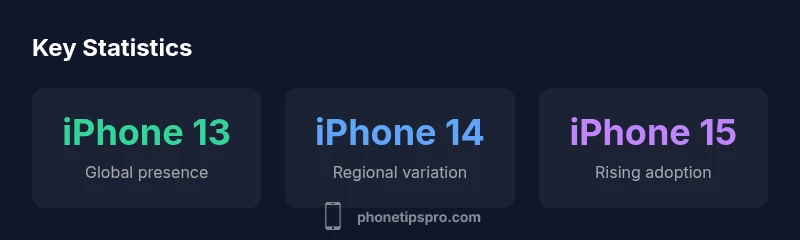
Based on Phone Tips Pro Analysis, the most common iPhone model among users in 2026 tends to be one of the last three generations (iPhone 13 to iPhone 15) in most markets. Regional differences exist, with up-to-date devices common in wealthier areas and older models lasting longer where price sensitivity is higher.
What the data actually says about iPhone adoption in 2026
The question of which iPhone model is most common isn't about a single device ringing as the universal favorite. Instead, adoption patterns align with upgrade cycles, price sensitivity, and regional market dynamics. In many markets, the distribution skews toward devices from the last three generations — typically iPhone 13, iPhone 14, and iPhone 15. The precise mix shifts with local carrier promotions, financing options, and consumer sentiment toward new features. For readers asking what iphone do most people have, the answer is nuanced: a majority share rests with recent generations, but older devices still persist where budget constraints are tighter. This nuance matters for troubleshooting, content planning, and product recommendations. By looking at regional data alongside global trends, brands can tailor guidance to a broad audience while acknowledging local realities.
In this context, it’s helpful to view ownership as a spectrum rather than a single point. While a significant portion of users might own the latest generation in wealthier regions, another sizable group keeps devices from two generations prior, balancing performance needs against price and device longevity. The practical takeaway for iPhone users and content creators is to prepare guidance that fits the broad middle of the spectrum and then offer quick, model-specific tips for the most common generations.
How upgrade cycles influence which models are most common
Upgrade cycles are a primary force shaping which iPhone models dominate ownership. Typical cadence ranges from about two to four years, influenced by the perceived value of new features, battery health, and software support. When a major iOS update lands, some users accelerate their upgrade plans, while others delay due to cost or satisfaction with current performance. This creates a recurring pattern where the most common devices sit near the end of the preferred upgrade window. For content creators, this means you should expect a steady presence of the most recent three generations in most audience segments. If your content targets a global audience, be prepared to address a mix of models—from newer devices to older but still capable ones. Clear, model-aware troubleshooting and tips will serve a broader reader base without alienating users with older hardware.
Regional variation across markets
Regional differences are a major factor in whether iPhone ownership skews toward newer devices. In North America and Western Europe, higher disposable income and aggressive carrier promotions tend to push adoption toward the latest models more quickly. In parts of Asia, Latin America, and some African markets, price sensitivity, financing options, and affordability sustain a larger share of older generations. Language, cultural preferences, and local repair ecosystems further influence which devices are most common. For practitioners, understanding these regional attitudes helps tailor content to reflect the realities of your readers, whether you’re writing for a global audience or a specific country. The practical implication is to offer both broad, evergreen guidance and micro-content focused on the three most common generations in your target region.
Price, promotions, and carrier strategies that shape adoption
Prices and promotions play a decisive role in which iPhone models appear most often. Promotional financing, trade-in programs, and carrier subsidies can accelerate upgrades, pushing the population toward the newest models more rapidly in certain markets. Conversely, where promotions are scarce or financing is restrictive, users may extend the life of older devices. This dynamic explains why a single “most common” model is rarely universal. For creators who produce how-to guides, this means you should present a layered approach: core tips that apply across generations and primary sections that are model-specific for the latest three generations. This approach helps you maintain relevance while offering precise, actionable help.
How to identify the dominant device for your audience and tailor guidance
A practical way to determine the dominant device is to analyze your own audience data—whether on a website, app, or social channel. Look at device breakdowns by model family (e.g., iPhone 13–15) and consider the proportion of users in each region. When you publish content, start with a general guide that covers the most common generations and then provide model-specific subsections for the top devices in your analytics. This approach ensures that readers quickly find the most relevant guidance while still benefiting from universal, evergreen tips.
Practical tips for creators and troubleshooters targeting the majority devices
To maximize relevance, structure content around the three most common generations while preserving broader guidance. Use headings like “Model-specific Tips for iPhone 13,” “iPhone 14 Troubleshooting Tips,” and “iPhone 15 Quick Fixes” to help readers jump to their device. Maintain a robust evergreen core—battery care, storage optimization, and common iOS settings—that works across generations. Finally, invite readers to verify their device through a short compatibility check and offer quick links to model-specific guides for easy navigation. This strategy reduces bounce and increases user satisfaction by delivering immediate value.
Final practical note: tailoring beyond the model itself
Beyond device models, readers value answers that consider battery health, storage management, and software compatibility. While a model-focused section is essential, ensure your content also addresses overarching concerns: how to check battery capacity, how to back up data, recommended repair options, and where to get reliable help. By balancing model-specific guidance with universal best practices, you’ll deliver a comprehensive resource that remains useful even as new iPhone generations arrive.
Global distribution by generation (illustrative; based on Phone Tips Pro Analysis, 2026)
| Model Range | Adoption Notes | Typical Upgrading Window |
|---|---|---|
| iPhone 13–14 | Common in markets balancing price and features | 3–4 years |
| iPhone 15 | Rising share in developed markets | 2–3 years |
| Older models (iPhone 11/12) | Still present in price-sensitive regions | 4–5 years |
FAQ
What is the single most common iPhone model globally in 2026?
There isn't a single global model; distribution favors the last three generations (13–15) with regional variations. This means content should cover multiple generations to stay relevant.
Globally, the most common iPhone is usually one of the recent generations, with regional differences.
How can I determine the most common model for my audience?
Use analytics data from your app or site to identify the most used devices, then create a model-focused guide for the top three generations. Compare across regions if you have a global audience.
Check your analytics to see which iPhones people use most, then tailor your guides.
Do older iPhone models still account for a large share?
Yes, in price-sensitive markets older devices remain common as budget-minded users extend device life. Include guidance for these generations alongside newer models.
Yes, older iPhones still show up in some regions.
How often do iPhone owners upgrade?
Upgrade cadence commonly falls between 2 and 4 years, influenced by promotions, carrier plans, and device performance. Expect a mix depending on market conditions.
Most people upgrade every 2 to 4 years.
What practical tips help creators reach the biggest audience?
Write evergreen tips that apply across generations and add quick, model-specific sections for the latest three generations. Use clear navigation and short, actionable steps.
Provide both broad guidance and model-specific sections for the top devices.
“Understanding which iPhone models are most common helps tailor practical, model-specific guidance that actually helps users fix issues fast.”
Quick Summary
- Identify the dominant model range to tailor tips.
- Consider regional upgrade patterns for troubleshooting.
- Monitor regional adoption to align content.
- Provide model-specific guidance for the latest three generations.