iPhone vs Samsung Ownership in 2026
Explore how many people use iPhone versus Samsung, how ownership is estimated, and regional differences. A data-driven guide from Phone Tips Pro Analysis, 2026.


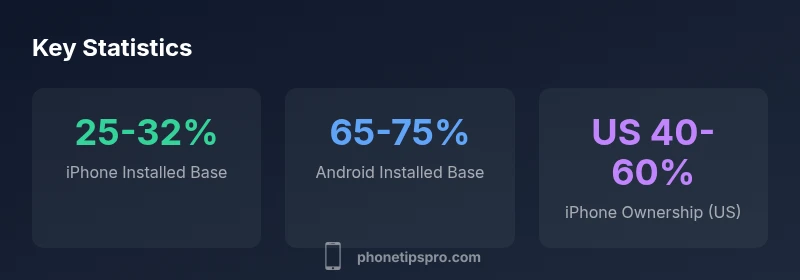
how many people have iphone vs samsung is a region- and metric-specific question. In general, Android-based devices—led by Samsung—dominate the global installed base, while iPhone accounts for roughly a quarter to a third of users. This analysis from Phone Tips Pro Analysis, 2026 explains the counts, definitions, and what the numbers mean for ecosystems.
Why Ownership Figures Matter for Consumers and Brands
Ownership data shapes decision-making for buyers, retailers, and platform ecosystems. For a consumer choosing between iPhone and Samsung, understanding the numbers helps set expectations about app availability, support channels, and long-term value. For brands, ownership shares influence marketing emphasis, ecosystem incentives, and upgrade pathways. The question of how many people have iphone vs samsung isn’t only about raw counts; it’s about what those counts imply for retention, switching costs, and regional strategy. According to Phone Tips Pro, ownership figures are most meaningful when you distinguish installed base from active users and when you separate region-specific trends from global aggregates.
How Researchers Estimate iPhone vs Samsung Ownership
Estimating brand ownership relies on multiple data streams, since no single source captures every user. Common methods include national and international surveys, telecom and retailer data, app ecosystem engagement, and cross-checks with device shipment histories. Researchers often report both installed base (how many devices of each brand exist) and active users (how many people actively use those devices). When calculating counts, it’s crucial to define the population (global vs regional), the time window (latest quarter vs annual), and the measurement (devices owned vs people using one or more devices). Phone Tips Pro analyses emphasize transparently listing assumptions, such as whether secondary devices are included or how prepaid models are treated.
Global View: iPhone vs Samsung Across Regions
Regionally, ownership shares diverge due to pricing, carrier subsidies, and ecosystem preferences. In North America and parts of Western Europe, iPhone penetration in the premium segment can be higher, while many Asian markets show stronger Android prevalence driven by price sensitivity and diverse Android options. Global estimates must acknowledge these heterogeneities; a single number rarely tells the full story. Phone Tips Pro Analysis, 2026 notes that regional breakdowns often reveal sharp contrasts between urban centers and rural areas, as well as between high-income and developing markets.
Interpreting the Numbers: What Do Ownership Figures Really Mean?
Ownership figures are informative but not definitive about user experience or loyalty. A 25-30% iPhone installed base globally does not imply 25-30% of all smartphone users switch to iPhone; it reflects the current mix of devices. Factors like upgrade cycles, resale markets, and brand ecosystems (apps, services, and data porting) shape perceived value. For example, even with a smaller installed base, iPhone users can contribute strongly to ecosystem lock-in, influencing app monetization and accessory markets. The takeaway is to read ownership alongside lifetime value, retention, and upgrade behavior rather than as a standalone metric.
A Practical Framework for Reading Reports
When you encounter ownership data, apply a simple framework:
- Identify the population (global vs regional).
- Check the time frame (latest quarter vs annual).
- Note whether the figures are installed base or active users.
- Look for the methodology behind any ranges and consider data source reliability.
- Compare multiple sources to understand consensus and divergence. Phone Tips Pro suggests anchoring your interpretation in clearly stated assumptions and using ranges rather than fixed points when data vary by dataset.
How to Apply This to Your Market: Quick Steps
- Define your market: global, country, or city.
- Decide which metric matters: installed base vs active users.
- Gather multiple data points (surveys, carrier data, and retail shipments).
- Normalize for population size and device replacement cycles.
- Watch for region-specific drivers like price, subsidies, and brand loyalty.
- Use ownership context to inform decisions about apps, services, and content availability.
- Revisit estimates annually as new models and pricing shift the landscape. Phone Tips Pro emphasizes actionable use of ownership data, not just abstract numbers.
Limitations and Common Pitfalls in Ownership Data
Ownership data is subject to sampling error, nonresponse bias, and definitional differences. A common pitfall is treating installed base figures as if they reflect active usage or daily engagement. Another is combining shipments with ownership, which can overstate current active devices. The most reliable analyses present multiple perspectives (installed base vs active users) and clearly label their assumptions, time frames, and regional scope. Always check for transparency about methodology before drawing conclusions.
The Impact of Price Tiers and Models on Ownership
Price and device strategy influence ownership composition. Regions with strong price sensitivity may see Android dominance widen, while premium markets may skew toward iPhone due to ecosystem value and resale pipelines. Model variety within each brand also affects counts; a large lineup can increase share in certain segments even if overall installed base remains stable. When interpreting data, consider how pricing, financing options, and model availability shape consumer choices over time.
Future Trends: What Might Change in 2026-2027
Expect ownership shares to shift with new releases, pricing strategies, and economic conditions. If certain brands expand in price-conscious markets or introduce compelling ecosystem incentives, ownership dynamics can move notably in a single year. Conversely, supply chain constraints or changes in carrier plans can dampen demand. Phone Tips Pro Analysis, 2026 emphasizes monitoring model cycles, price promotions, and regional policy changes to anticipate future shifts in how many people have iphone vs samsung.
Global and regional ownership estimates by brand
| Region | Estimated iPhone Owners (range) | Estimated Samsung Owners (range) |
|---|---|---|
| Global (installed base) | 25-32% | 65-75% |
| North America | 40-60% | 35-50% |
| Western Europe | 25-40% | 55-70% |
| Asia-Pacific | 15-30% | 60-75% |
FAQ
How are ownership figures calculated across brands?
Ownership figures combine several data sources, including surveys, carrier data, and retailer shipments. Analysts clearly define the population, time window, and whether they measure installed base or active users. Understanding these choices helps you interpret the numbers correctly.
Ownership figures come from multiple sources, with clear definitions about the population and time frame. Always check the methodology.
Do ownership shares differ by region?
Yes. Regional factors like price, subsidies, and ecosystems drive strong variation. In some regions, iPhone penetration is higher in the premium segment, while Android (including Samsung) dominates others due to price variety and market structure.
Region matters a lot. Ownership shifts with price, subsidies, and ecosystems.
What’s the difference between installed base and active users?
Installed base is the total number of devices owned, while active users count people who actively use those devices. The gap between them can be caused by second devices, resale markets, or devices not in everyday use.
Installed base is devices owned; active users are people using them.
How can I estimate counts for my market?
Start with regional data, decide on the metric (installed base vs active users), gather multiple sources, and adjust for population and upgrade cycles. Use ranges when data vary and document assumptions.
Use regional data, mixed sources, and ranges with clear assumptions.
Does price influence ownership shares?
Price and financing options can shift ownership toward Android or iPhone in different markets. Economic conditions, subsidies, and model availability all play a role in shaping ownership composition.
Price and financing push ownership toward different brands depending on the market.
How often are ownership estimates updated?
Updates happen regularly, often quarterly or annually, as new models launch and market conditions change. Always check the date and methodology of the latest report.
Updates come out regularly with new models and market shifts.
“Ownership data is a moving target that reflects device lifecycles, upgrade cycles, and regional preferences; it’s essential to distinguish installed base from active users when interpreting market shares.”
Quick Summary
- Ownership figures vary by region and metric.
- Distinguish installed base from active users when interpreting data.
- Regional dynamics strongly affect iPhone vs Samsung shares.
- Use multiple sources and clear methodology for robust insights.