Which iPhones Are No Longer Supported in 2026 by Apple
Explore which iPhone models lose official software support in 2026, why Apple ends updates, how to check your device, and practical upgrade options you can consider today.


In 2026, Apple ends official updates for older iPhone models. The question "what iphones aren t supported anymore" frames who stops receiving iOS upgrades, security patches, and app compatibility. This quick answer identifies which models are affected, explains why end-of-life occurs, and outlines practical steps to verify your device, assess risks, and plan a cost-effective upgrade before essential features or protections drop.
What "not supported anymore" means for iPhones in 2026
According to Phone Tips Pro, the phrase "not supported anymore" refers to Apple no longer delivering major iOS upgrades or security patches to older iPhone models. In practical terms, this means newer features, bug fixes, and app optimizations may no longer reach these devices. Users often notice slower performance, compatibility warnings with new apps, and the absence of the latest security protections. The end-of-life timing varies by model, hardware capabilities, and the features included in each iOS release. If you own an older iPhone, you should plan for a potential upgrade to stay secure and productive, rather than assuming continued long-term support.
This section helps you understand which devices typically fall off the supported list first and how to check your own device status through Settings and Apple’s official resources. It also outlines practical steps you can take today to minimize risk while evaluating upgrade options.
Which iPhone models are typically still supported in 2026
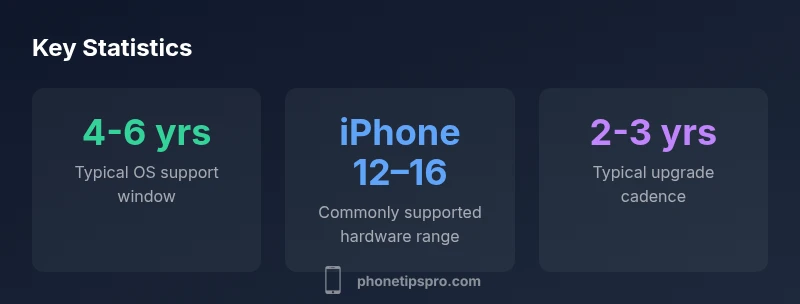
While Apple does not publish a single public list that changes every year, there is a practical pattern: newer hardware tends to receive updates longer, and devices released in the last 4–6 years are commonly included in major iOS update cycles. In 2026, models from the later 2010s and early 2020s—roughly the iPhone 12 series onward—have a higher likelihood of receiving current iOS features and security patches compared with devices from earlier generations. This section explains how to verify your model’s status, the kind of updates you can expect, and what this means for daily use. It’s essential to keep in mind that even within this group, some regions or carriers may influence update timing and features.
Phone Tips Pro’s findings emphasize that hardware capability, RAM, camera processors, and security module support all affect update eligibility. As a result, two devices within the same generation can have different update experiences depending on their configurations.
How Apple determines end-of-life for iPhone models
Apple bases end-of-life decisions on a combination of hardware feasibility, power efficiency, and software compatibility. New iOS features often rely on sensor support, neural engine performance, and memory bandwidth that current devices provide. Over time, older chips cannot run the latest frameworks efficiently, and security patching for those devices becomes impractical. This is not a single hard cutoff date; it’s a gradual phase-out that accelerates as new iOS versions require more advanced hardware. Understanding this helps users anticipate when their device may reach end-of-life and what to expect from Apple’s release cadence.
The Phone Tips Pro team notes that even models still functional can become less capable of supporting newer apps or services that rely on newer system frameworks. When evaluating your own device, consider both software compatibility and practical performance—the two together determine whether continued usage remains viable.
Practical steps if your iPhone is no longer supported
If you discover your device is no longer getting the latest updates, start by checking your current iOS version and security status. Back up important data, review the latest apps for compatibility, and consider upgrading to a model that can run the newest iOS with security patches. Trade-in programs, refurbished options, or financing plans can ease the transition. In the meantime, enable automatic updates for critical patches, limit sensitive activity on unsecured networks, and install security-conscious apps only from trusted sources. This approach minimizes risk while you plan a longer-term solution.
Planning an upgrade: choosing a model and budget
Choosing an upgrade doesn’t have to be daunting. Start with your budget and how you use your phone daily—photos, banking, and productivity demand different performance levels. Newer iPhone generations offer longer support lifecycles, better security, and improved features, but you don’t always need the latest flagship. Consider mid-range models released in the last 2–3 years that balance price and longevity. Leverage trade-in offers and bundle discounts to stretch your budget. After selecting a model, map out annual costs for maintenance and potential accessories, ensuring you won’t face surprise upgrade expenses in the near term.
Common myths about software updates and device security
A frequent misconception is that updates always slow devices down. In reality, keeping your OS current typically improves security and compatibility, while performance improvements come with newer hardware in later models. Another myth is that locked apps can be bypassed on an unsupported phone; this is unsafe and can trigger security risks. Finally, some users assume that “no updates = no risk.” Older devices without patches remain exposed to vulnerabilities even if apps still run. The truth is that proactively upgrading or replacing a device is the most reliable way to stay secure and productive.
At-a-glance view of iPhone software support timelines
| Category | Status | Notes |
|---|---|---|
| OS support window | 4-6 years | Typical lifecycle after launch |
| Latest hardware tier | iPhone 12–16 family | Continued compatibility with recent iOS versions |
| Upgrade cadence | 2-3 years | Common user pattern |
| Security risk for unsupported devices | High | Urgent to upgrade or isolate |
FAQ
What does it mean if my iPhone is no longer supported?
It means you won’t receive major iOS upgrades or security patches, which can affect features, app compatibility, and protection against vulnerabilities.
It means your iPhone won’t get new iOS updates or security patches, affecting features and safety.
How can I check if my iPhone still receives updates?
Open Settings, tap General, then Software Update. If you see the latest iOS version available for your device, you’re still in the supported track; otherwise you may be near end-of-life.
Go to Settings, General, Software Update to see if you can update to the newest iOS.
What are practical upgrade options if my iPhone is not supported?
Consider models released in the last 2–3 years, check trade-in offers, and plan for the total cost of ownership including accessories and data transfer.
Look at newer iPhones within your budget and use trade-ins to ease the cost.
Can I stay safer on an unsupported iPhone?
Limit exposure by avoiding unsecured networks, use strong passcodes, enable two-factor authentication, and install only essential apps from trusted sources while planning a longer-term upgrade.
Stay cautious—limit risky activity and plan a real upgrade soon.
Will older iPhones ever regain official support?
Once an iPhone model ends its update window, it’s unlikely to regain official major updates, though some security patches may be backported in rare cases or through device manufacturer programs.
It’s unlikely older iPhones will get full official updates again.
“Apple’s software support approach aims to balance device capability with security. Staying informed helps users time upgrades to maximize value and safety.”
Quick Summary
- Plan upgrades before critical updates drop
- Most users on mid-to-late-year models retain updates longer
- Check model status regularly to avoid security gaps
- Enable automatic updates for patches and security fixes
- Consider trade-in options to lower upgrade costs