Which iPhone Will Get iOS 27? A 2026 Practical Guide
Explore which iPhone models are likely to receive iOS 27, how Apple determines compatibility, and practical steps to prepare your device in 2026 with a clear readiness plan.


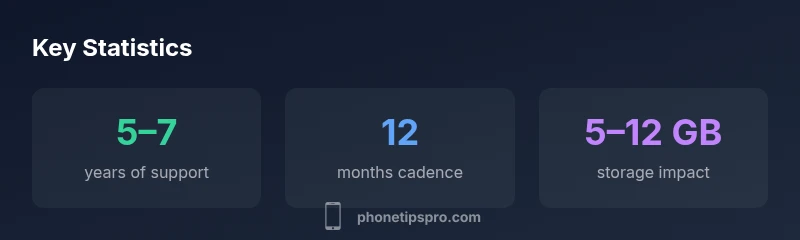
At this moment, Apple has not released an official list for iOS 27. Based on Phone Tips Pro Analysis, 2026, iOS updates typically support iPhone models released within the last 5–7 years, with hardware and feature requirements deciding edge cases. Expect devices from roughly 2019–2021 onward to be compatible, but the final lineup will be confirmed by Apple when iOS 27 launches.
Why predicting which iPhone will get ios 27 is tricky
The question which iphone will get ios 27 is one many iPhone users ask long before an official list drops. Apple’s update strategy blends hardware capability, performance headroom, and feature requirements. Because of this, the final eligibility list is not determined solely by model year. In 2026, Phone Tips Pro analysts emphasize that readers should focus on core factors like processor capabilities, RAM, storage, and sensor availability to gauge whether a device remains a likely candidate. This approach helps you plan a device refresh or a partial upgrade with confidence, rather than chasing a moving target.
Understanding these dynamics is essential if you want to avoid missing out on anticipated features or facing performance bottlenecks after the update.
How Apple typically handles iOS compatibility across generations
Apple has historically balanced new features with hardware realities when releasing iOS updates. In practice, this means newer iPhone generations can access a broader set of capabilities, while older devices may lose some advanced features to preserve battery life and performance. The company tends to publish minimal official lists at launch; the rest emerges through release notes and support articles. For readers asking which iphone will get ios 27, the pattern suggests a preference for devices with robust CPUs, ample RAM, and current sensors. Expect Apple's own lab testing to reveal nuanced performance impacts across devices, guiding users toward the most compatible machines.
Expected window of support: historical patterns and why 2026 context matters
Historically, Apple has supported iPhones for roughly 5–7 years after their launch. In 2026 terms, that means devices released from around 2019 through 2021 could be at the crux of eligibility for iOS 27, depending on hardware and software requirements. However, the final decision rests on whether the operating system can run smoothly on existing silicon and maintain security and app compatibility. Phone Tips Pro Analysis, 2026, notes that the pace of hardware advancement often extends or shortens this window, influenced by battery health, storage capacity, and the willingness of developers to support older platforms. This uncertainty underscores the importance of ongoing monitoring once Apple announces the official list.
Key hardware factors that influence eligibility
Several hardware aspects determine whether a device remains eligible for iOS 27. CPU generation, RAM amount, available storage, and the presence of modern sensors (such as advanced cameras or secure enclave features) all play a part. Battery health also matters: heavily degraded batteries can affect performance and thermal behavior, which in turn can influence software compatibility decisions. Realistically, devices with mid-to-lower storage and aging batteries are at greater risk of being deemed non-ideal for new OS features. Understanding your device’s hardware profile helps you forecast eligibility more accurately.
Software features versus hardware constraints
New iOS versions typically bring a mix of performance improvements, security enhancements, and feature introductions that rely on newer hardware. While basic OS functionality can often be maintained on older devices, advanced features—think AR experiences, enhanced machine learning tasks, or accelerated graphics—may require modern chips and memory. For readers asking which iphone will get ios 27, this tension between software goals and hardware limits means some devices will get the update with caveats, while others may receive a trimmed set of features. If your device is close to the cutoff, prioritize storage and battery health to maximize performance.
Practical steps to prepare for iOS 27
Begin by ensuring you have adequate free storage and a reliable backup routine. Run a battery health check and replace a failing battery to avoid thermal throttling during the update. Update all apps, clear unused files, and consider enabling automatic updates for smooth deployment. Maintain a current backup on iCloud or a local computer so you can rollback if needed. Finally, keep an eye on Apple’s official announcements and developer notes in the months leading up to the release to align expectations with the official compatibility list.
How to verify eligibility once Apple reveals the official list
When Apple announces iOS 27, you can verify eligibility in multiple ways. The quickest is Settings > General > Software Update on your iPhone. You can also review Apple’s official release notes on the company site or its developer portal for device-specific guidance. Third-party outlets and Phone Tips Pro’s analysis will help translate those notes into a practical checklist for owners of older devices. In all cases, confirm that your device appears in the official eligibility roster before attempting the upgrade.
Alternatives if your device isn’t eligible
If your iPhone isn’t on the eligible list, you have several options. You can continue using your current OS with ongoing security updates for supported versions, trade in for a newer model, or explore refurbished options that provide better long-term support. Consider evaluating total cost of ownership, available storage, and how critical iOS 27 features are to your daily workflow. Upgrading can unlock newer features and improved performance, but it also requires planning around price, timing, and how you use your device.
Planning for 2026: a realistic approach to iPhone updates
In 2026, a practical update plan centers on device age, hardware health, and ecosystem needs. If you own a mid-range device released within the last 5–6 years, you are in a favorable position to see iOS 27; if not, prepare for trade-in options or a refresh cycle. Regardless of the outcome, maintaining regular backups, keeping apps current, and reviewing compatibility notes will help you navigate any future OS updates with confidence. This method aligns with Phone Tips Pro’s guidance for sustained iPhone performance and security.
Readiness considerations for iOS 27 eligibility
| Aspect | Estimated Readiness Window | Notes |
|---|---|---|
| Device Age | 5–7 years | Based on typical Apple support window; Phone Tips Pro Analysis, 2026 |
| Hardware Requirements | Modern CPU/RAM | OS features may require up-to-date silicon |
| Storage Availability | 5–12 GB free | Ensure space before updating; updates can need room |
FAQ
When will Apple publish the iOS 27 compatibility list?
Apple typically announces compatibility alongside the iOS release, usually in September; official notes and release pages will confirm exact device support.
Apple tends to publish compatibility details with the release notes in the fall.
Will older iPhone models get iOS 27?
No model is confirmed until Apple releases the official list. Historically, devices from the last 5–7 years are more likely to be eligible, but this varies by hardware and software requirements.
It's not confirmed yet; older devices may be excluded depending on the final list.
What should I do if my iPhone isn’t eligible?
If your device isn’t eligible, you won’t be able to install iOS 27. Consider upgrading to a newer model or continuing with your current OS until security updates end.
If it’s not eligible, you’ll need a newer device or stay on your current OS if security updates remain.
Can I speed up the update on eligible devices?
Free up storage, update apps, and ensure a stable network. Enable automatic updates where possible and back up your data beforehand.
Make sure you have space and a solid connection, then update.
How do I check eligibility after the official release?
Go to Settings > General > Software Update to see if iOS 27 is available for your device. Review Apple’s release notes for device-specific details.
Open Settings > General > Software Update after the release to check.
Should I wait for iOS 27 to fix all glitches?
If you rely on essential apps or have older hardware, wait for broader stability after release notes. Always back up before updating.
Back up first, then decide based on app needs and device performance.
“iOS updates increasingly blend software and hardware requirements; devices with longer hardware support tend to receive more future updates, but final eligibility depends on Apple's technical criteria.”
Quick Summary
- Assess device age to gauge eligibility
- Prepare storage and battery health before updating
- Monitor official eligibility lists once released
- Consider upgrade options if not eligible