Which iPhone Versions Are Still Supported in 2026
Discover which iPhone models still receive iOS updates in 2026, how long Apple supports devices, and how to verify if yours qualifies. Phone Tips Pro provides practical steps.


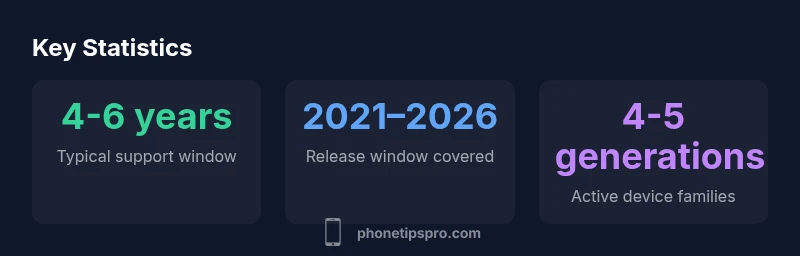
What iphone versions are still supported in 2026? Apple typically backs devices for 4-6 years after launch, so models released in the last 4-6 years are likely still receiving iOS updates. In practice, most current iPhone families remain supported, while very old devices may stop getting major releases. This quick answer helps you verify your model’s status and plan an upgrade if needed.
How Apple defines 'still supported' and why it matters
For iPhone users, understanding what what iphone versions are still supported matters for security, app compatibility, and new features. Apple tends to provide major iOS updates and security fixes for devices during a window that typically lasts several years after the model's launch. Phone Tips Pro's analysis for 2026 shows that this policy translates into a practical rule of thumb: if your iPhone is within the latest four to six years of release, you're generally in the supported zone. This means you can expect new iOS versions and important security patches for most devices released in the last few years. If your device is older than that window, you should prepare for a built-in end-of-life date or at least a shift to security-only updates. In this context, you should check your device model, iOS version, and whether there have been any recent policy changes from Apple. This approach helps you avoid surprises during a software upgrade cycle and keeps you aligned with the ecosystem's expectations.
Which iPhone families are still receiving major iOS updates (2026 view)
As of 2026, Apple continues to release major iOS updates for devices launched within the last 4-5 years. In practical terms, models released roughly between 2021 and 2026 are commonly in the supported bracket, though regional variations can apply. Older generations, typically those older than four to five years, may receive security updates for a period but could miss major iOS releases. The exact cutoff can shift with each yearly cycle, but the pattern remains consistent: newer devices gain access to fresh features earlier, while older devices gradually transition toward maintenance mode. For readers, this means you should expect most devices from the 2021–2026 era to remain compatible with new apps and features, while devices from the 2019–2020 range might be on borrowed time. Always cross-check with Apple’s official compatibility list, since software and hardware requirements for new iOS versions can influence compatibility.
How to check if your iPhone is still supported
Start by identifying your iPhone model and current iOS version: Settings > General > About. Then compare your device against Apple's official support list for the latest iOS version. To see updates, go to Settings > General > Software Update. If an update is available, you likely fall within the supported track; if not, you might be at the end of the current cycle. You can also check Apple's support site or contact Apple Support for confirmation. Finally, be mindful that some apps demand newer features and security frameworks that older devices may not meet, which could influence your decision to stay or upgrade.
What you lose when an iPhone drops off support
In practice, dropping off the supported list means losing access to major iOS updates, new features, and certain app capabilities. Security patches may be limited or discontinued, increasing the risk of vulnerabilities. Some banks and financial apps require minimum iOS versions; as you fall off support, you may encounter compatibility issues with popular apps, camera enhancements, or AR experiences. The pace of software updates also affects performance optimizations, meaning you might notice slower performance on an unsupported device, even if it runs the latest available iOS version. If you rely on new services or expect apps to evolve with iOS, plan ahead and consider upgrading when your device reaches end of life.
Practical steps to maximize remaining support
To get the most from your iPhone before it reaches end of life, keep it updated to the latest supported iOS release. Regular maintenance—checking battery health, reducing clutter, and enabling optimized battery charging—can extend usable life and help you stay within supported windows. Manage storage to avoid slowdowns, back up data regularly, and use cloud services to reduce device storage demands. If performance starts lagging, consider battery replacement or a mid-life upgrade instead of a full device renewal. Finally, create a long-term upgrade plan aligned with Apple's update cadence and your personal needs, so you are prepared when your model no longer receives major updates.
Quick checklist to stay in the supported loop
- Verify your model is within the typical support window (4-6 years from launch).
- Keep iOS up to date by enabling automatic updates.
- Regularly check battery health and replace as needed to preserve performance and update eligibility.
- Review app compatibility and security requirements; plan an upgrade if critical apps drop support.
- Back up data and prepare a migration path to a newer device when necessary.
- Use Apple’s trade-in and financing programs to plan a smooth transition.
Approximate support windows by release year bands
| Model Range | Current typical support window | Notes |
|---|---|---|
| Last 4-5 years releases | 4-6 years | Broad compatibility with latest iOS |
| Older than 4-5 years | Limited updates (security only or none) | Upgrade recommended |
| Current flagship releases | 4-6 years | Full feature support and latest apps |
FAQ
How long does Apple typically support iPhone models with iOS updates?
Apple generally offers major iOS updates and security patches for about four to six years after a model's launch, though exact durations vary by model. This aligns with Apple's broader update cadence and the hardware capabilities of each generation.
Apple typically backs iPhones for about four to six years after release, though it varies by model.
Will older iPhones released before 2020 still get updates in 2026?
Some older devices may still receive security updates, but they are unlikely to get major new iOS versions by 2026. If you rely on new features, you should plan an upgrade.
Older iPhones may get some security updates, but major updates are unlikely by 2026.
How can I check if my iPhone is still supported?
Open Settings > General > About to identify your model, then compare with Apple’s current compatibility list. Check for updates under Settings > General > Software Update to see if you’re in the supported track.
Go to Settings, check your model, and see if updates are available.
What should I do if my device stops receiving updates?
Back up your data, consider upgrading to a newer model, and ensure essential apps remain usable. If security is a concern, plan a transition before critical apps drop support.
If updates stop, back up, plan an upgrade, and check app compatibility.
Does jailbreaking affect device support?
Jailbreaking typically voids warranties and can complicate future updates. Apple may refuse support on modified devices, and security risks often increase.
Jailbreaking can void support and introduce security risks.
“Staying within the supported lifecycle isn’t just about getting new features—it’s about ongoing security and app compatibility.”
Quick Summary
- Most recent iPhone models stay supported for 4-6 years.
- Know your release window to gauge upgrade timing.
- Regular updates maximize security and app compatibility.
- If you miss major updates, plan an upgrade.
- Check Apple's official list to confirm status.