How to Put iPhone in Standby Mode
Learn how to put your iPhone in standby mode, adjust Auto-Lock, and optimize privacy and battery. This step-by-step guide from Phone Tips Pro helps you lock your screen efficiently and wake it when needed.


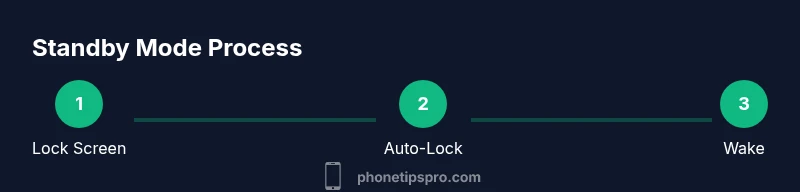
By following these steps, you’ll put your iPhone into standby mode quickly and securely. This guide covers locking the screen, adjusting Auto-Lock timing, and waking the device when needed. Phone Tips Pro confirms that a quick lock reduces screen-on time and preserves privacy. Whether you use iPhone X or newer, the principle remains the same: lock, time Auto-Lock, and wake when ready. Read the full guide for details.
What standby mode does on iPhone
Standby mode on an iPhone is the state you reach when the device is locked and the screen is off. In this mode, the phone conserves battery by stopping active screen illumination and halting most background tasks until you wake it again. According to Phone Tips Pro, standby mode is the simplest and most reliable way to protect your privacy and extend battery life during short breaks or when you’re away from the phone. This section helps you understand the core idea: standby mode is not a special button or trick, but the natural result of locking the device and letting the display sleep. When you press the side button or sleep/wake button, you trigger standby mode and reduce the risk of accidental touches and data exposure. The iPhone remains ready to wake with a quick press or a tap, depending on your settings.
Key concepts to remember:
- Locking the screen immediately puts the device into standby.
- Standby mode limits screen activity while keeping essential functions ready.
- Privacy and battery savings come from reducing screen-on time.
By recognizing standby mode as the default protected state after locking, you can quickly manage when your iPhone is actively displaying information. This aligns with best practices recommended by Phone Tips Pro for reliable standby behavior across iPhone models.
How to differentiate standby mode from sleep or locking behavior
Many users confuse standby mode with other states like Sleep or simply leaving the screen on. Standby mode occurs after you actively lock the device or let the screen timeout and go dark. Sleep and standby are often used interchangeably, but the practical effect is the same: the display is off, the device is locked, and notifications may be silenced depending on settings. The distinction matters because it affects how quickly you can resume using your iPhone. When you understand standby mode, you’ll know the fastest way to return to work without compromising privacy or battery life.
Practical takeaway:
- Standby mode is engaged by locking the device or letting Auto-Lock trigger.
- Sleep is the natural outcome of standby once the device is locked and the screen is off.
- Setting Auto-Lock to an appropriate duration ensures standby occurs automatically when you don’t immediately use your phone.
How to put iPhone in standby mode: quick manual method
To put your iPhone in standby mode quickly, simply lock the screen with the side button. This is the universal method across iPhone generations. If you’re using a model with Face ID, you can also press the side button to lock. The moment the screen goes dark, standby mode is active. If you want to verify, try waking the phone with a press or a tap to confirm the device is on standby and ready to wake when you’re ready to use it again.
Phone Tips Pro notes that this simple action protects sensitive information and reduces unnecessary battery drain during short breaks. Remember to lock before handing your device to someone else or leaving it unattended.
Adjusting Auto-Lock for consistent standby behavior
Auto-Lock determines how long the iPhone waits before locking automatically. To ensure standby mode activates after a desired period, you’ll want to adjust this setting. Go to Settings > Display & Brightness > Auto-Lock and choose a duration that fits your routine. Shorter durations improve privacy and battery life, while longer durations are convenient when you’re actively using the device. After setting Auto-Lock, iPhone standby will occur automatically if you don’t interact with the screen within the chosen window. This is a cornerstone of how to put iphone in standby mode effectively, especially when you’re away from the device for a while.
Tip: If you rely on the feature frequently, consider pairing Auto-Lock with a Passcode requirement to further safeguard the device during standby.
Waiting periods and wake-up behavior
Standby mode isn’t instantaneous when you lock the screen; it relies on the Auto-Lock timer or a manual lock. If you’ve set Auto-Lock to a shorter duration, you’ll reach standby mode faster, which minimizes screen-on time and reduces power consumption. When you wake, a quick press of the side button or a tap on the screen will bring the iPhone back to life. If you want an instant wake, ensure you enable features like Raise to Wake or Enable/Disable Touch to Wake according to your preference. In short, standby mode is a deliberate, energy-efficient habit rather than a single button press.
Note: Phone Tips Pro emphasizes consistency—get your Auto-Lock settings aligned with your use patterns to maintain a predictable standby cycle.
Privacy and battery considerations while in standby
Standby mode serves both privacy and battery goals. The screen is off, reducing the chance of shoulder-surfing and ensuring notifications don’t reveal sensitive content on the lock screen. Battery life benefits come from reduced screen-on time, background activity, and app refresh when the device is idle. To maximize these benefits, keep Auto-Lock short enough to lock after brief inactivity and review which apps are allowed to refresh in the background during standby. Phone Tips Pro’s guidance reinforces the idea that a thoughtfully configured standby routine significantly improves daily usability and privacy.
Troubleshooting standby mode issues
If standby mode seems slow to engage or won’t wake reliably, start with a quick checklist: check Auto-Lock settings, ensure the side button isn’t physically stuck, and verify Raise to Wake behavior aligns with your preferences. If problems persist, a soft reset of the device or a software update may be necessary. In most cases, standby mode is a straightforward outcome of locking the screen or Auto-Lock timing, and following the steps above will restore expected behavior quickly. Phone Tips Pro suggests keeping a routine that locks the device during breaks and at the end of the day to maintain consistent standby performance.
Tools & Materials
- iPhone with current iOS(Any model that supports Auto-Lock settings)
- Settings app access(Needed to adjust Auto-Lock timing)
- Optional: Raise to Wake toggle(If you prefer waking by lifting the phone)
- Optional: Passcode ready(Helps quickly re-authenticate after standby)
Steps
Estimated time: 5-7 minutes
- 1
Lock the screen with the side button
Press the side button once to lock the screen and enter standby mode. This is the universal method across iPhone models. The screen will darken, the device becomes locked, and notifications may be silenced depending on your settings.
Tip: If you’re in a hurry, a single press is faster than a press-and-hold action. - 2
Check Auto-Lock settings
Open Settings > Display & Brightness > Auto-Lock and choose a duration that fits your routine. A shorter Auto-Lock time accelerates standby mode and improves privacy, while a longer duration is convenient if you’re actively using the device.
Tip: Select the shortest duration you’re comfortable with for better privacy. - 3
Adjust wake behavior (Raise to Wake or Tap to Wake)
Decide whether you want the screen to wake with a raise gesture or a tap. This affects how you wake from standby mode. Turning Raise to Wake on can make waking quicker, but may lead to accidental wakes in your pocket.
Tip: If you carry your phone in a pocket, consider disabling Raise to Wake to avoid accidental wakes. - 4
Test waking the device
After locking, wake the iPhone by pressing the side button or tapping the screen if supported by your settings. Confirm that the device returns to the lock screen briefly before fully waking.
Tip: Practice a quick lock-and-wake cycle to ensure your settings match your workflow. - 5
Verify privacy and battery behavior
Monitor how standby mode affects your info on the lock screen and how it saves battery over a typical use day. If you notice unnecessary background activity, revisit Auto-Lock and app refresh permissions.
Tip: Keep background app refresh enabled only for essential apps to maximize standby efficiency.
FAQ
What is standby mode on iPhone?
Standby mode is the state where the iPhone screen is off and the device is locked, ready to wake when you interact again. It conserves battery and protects privacy.
Standby mode means your iPhone is locked with the screen off, saving battery and keeping your information private until you wake it.
How do I change Auto-Lock duration on iPhone?
Go to Settings > Display & Brightness > Auto-Lock and select a duration. A shorter duration makes standby engage sooner, boosting privacy and battery efficiency.
Open Settings, go to Display & Brightness, tap Auto-Lock, and pick a duration that fits your usage.
Does Raise to Wake affect standby mode?
Raise to Wake only affects waking the screen; it does not change the way standby mode locks the screen. You can choose to enable or disable it based on your preference.
Raise to Wake controls waking the screen, not how standby locks it. Turn it on or off to suit your routine.
Will standby mode save battery?
Yes. Standby mode reduces screen-on time and limits background activity, which generally improves battery longevity during idle periods.
Standby mode saves battery by keeping the screen off and reducing background work when idle.
Can I lock the screen using AssistiveTouch?
Yes. You can create an AssistiveTouch action to lock the screen if you prefer not to use the physical side button.
You can lock the screen with AssistiveTouch if you don’t want to press the side button.
How do I wake quickly from standby?
Wake by pressing the side button or tapping the screen, depending on your Raise to Wake and Tap to Wake settings.
Wake quickly by pressing the side button or tapping the screen if supported by your settings.
Watch Video
Quick Summary
- Lock the screen to enter standby mode.
- Auto-Lock settings determine standby timing.
- Wake behavior should match your daily use.
- Privacy and battery life improve with proper standby configuration.