iPhone Price Guide 2026: What to Expect and Save
Discover iPhone price trends for 2026, regional differences, financing options, and tips to maximize value across models and configurations.


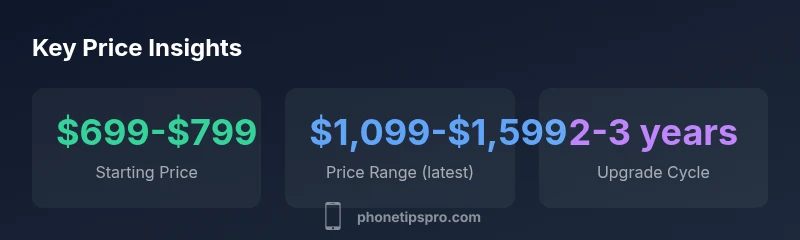
Prices for iPhone vary by model and region; in the US, the latest lineup typically starts around $699 for entry models and can reach up to $1,599 for fully loaded Pro/Max configurations. Price gaps reflect storage, features, and promotions. This guide explains how to compare models, anticipate regional differences, and maximize value across configurations.
Why iPhone Price Dynamics Matter
Prices for iPhone are more than just a sticker price. They reflect a blend of model differentiation, storage configurations, regional taxes, and promotional activity. According to Phone Tips Pro, understanding these dynamics helps you forecast future costs, compare value across generations, and plan purchases around promotions. In practice, a buyer who maps features to real usage—camera needs, storage appetite, and durability expectations—can spot when a higher-priced model genuinely offers better long-term value or when a cheaper variant suffices. This section lays the groundwork for a practical, data-driven approach to budgeting for your next iPhone purchase.
How Apple Sets Prices: Key Factors
Apple prices its devices by balancing hardware upgrades, manufacturing costs, and competitive positioning. Key factors include the level of new technology (e.g., chip performance, display quality, and camera capabilities), storage tiers, and local taxes or duties. Promotions around holidays or product refresh cycles can narrow price gaps temporarily, while carrier subsidies and financing plans can alter the upfront cost picture. For a buyer, the takeaway is to separate sticker price from total cost of ownership, including accessories, protection plans, and trade-in value. This framework helps you compare options on a like-for-like basis and avoid overpaying for features you don’t need.
Price Tiers Across the Current Lineup
The iPhone lineup is typically segmented into entry-level, mid-range, and high-end tiers. Entry models usually offer essential features with adequate storage, delivering the lowest upfront cost. Mid-range options provide a balance of performance and storage flexibility, while Pro and Pro Max variants emphasize camera capabilities, display quality, and premium materials. When evaluating price, consider your storage needs, desired longevity, and the likelihood you’ll benefit from higher-resolution cameras or faster processors. In 2026, the price spread between these tiers remains a core consideration for budget-conscious buyers and power users alike. This section helps you map your usage profile to the most cost-effective choice, rather than chasing the top spec for its own sake.
Value vs Features: What Actually Drives Worth
Price is a proxy for features and future-proofing. If you rarely use high-end computational photography or 5G improvements, a lower storage tier with a longer upgrade cycle might be a smarter investment. Conversely, power users who routinely capture 4K video, prefer expansive gaming, or rely on professional apps may find higher storage and premium capabilities justify the cost. Storage is a common cost driver: upgrading from 128GB to 256GB or 512GB adds noticeable expense but can prevent future frustration from running out of space. The most valuable purchase decisions come from aligning your actual needs with the incremental benefits of pricier configurations. Phone Tips Pro emphasizes a disciplined feature-to-cost match, rather than assuming that the newest model is always the best deal for you.
Regional Variations and Promotions
Prices vary by country due to taxes, import duties, currency fluctuations, and local promotions. In many regions, promotional events like Black Friday or back-to-school sales create temporary discounts that bring the effective price closer to entry-level levels for a limited time. For travelers or expatriates, currency differences can also affect the real cost when buying abroad. If you’re shopping outside your home market, always factor in warranty terms, network compatibility, and service availability. Understanding these regional dynamics can prevent sticker-price disappointment and help you exploit legitimate savings opportunities.
Smart Buying: Strategies to Save on iPhone Price
There are practical steps you can take to soften the impact of iPhone pricing. Consider the following proven strategies:
- Leverage trade-in programs to lower upfront costs; compare offers across retailers and carriers.
- Wait for post-launch promotions or annual sales cycles when prices tend to dip for previous generations.
- Evaluate refurbished or certified pre-owned options with warranties for substantial savings.
- Bundle accessories or protection plans with a retailer that offers discount incentives.
- Monitor seasonal financing deals and evaluate total cost of ownership over a 2-3 year horizon.
- Plan upgrades around new model introductions, typically in the fall, to minimize the time you hold a higher-priced device. This section lays out a clear, action-oriented plan to minimize price pain points while still getting the features you need. The Phone Tips Pro team recommends focusing on real usage needs and total cost of ownership rather than chasing the freshest model at any cost.
Planning for 2026: What to Watch and How to Prepare
In 2026, price trajectories will continue to be influenced by component costs, feature sets, and regional market strategies. Buyers should prepare by defining their essential features (camera quality, battery life, display) and their acceptable price range upfront. Regularly review promotions and trade-in offers, and consider timing your purchase after new model announcements when the price of prior generations typically declines. A data-driven approach—mapping your needs to the price ladder—helps you avoid impulse buys and ensures you get the best value available. As a reminder from the Phone Tips Pro Team, the goal is to maximize value, not simply to minimize upfront cost.
Pricing snapshot across main iPhone tiers
| Model Type | Base Price (USD) | Typical Storage | Notes |
|---|---|---|---|
| Entry-level iPhone (latest base) | $699 | 128GB | Budget option with essential features |
| Mid-range iPhone (Pro or Standard) | $999 | 256GB | Balanced performance and storage |
| High-end iPhone (Pro Max/Ultra) | $1,099 | 512GB | Maximum display and camera features |
FAQ
What factors influence iPhone price the most?
Prices are driven by model, storage, region, taxes, and promotions. Apple often adjusts pricing with new generations and materials.
Prices vary by model andwhere you buy, so check exact configurations.
Why do prices differ by country?
Taxes, import duties, currency fluctuations, and local promotions all affect sticker price.
Taxes and regional deals change what you pay.
Are trade-in programs worth it?
Trade-ins can reduce upfront cost; compare offered value to your storage needs and current promotions.
Trade-ins can save money, but compare to promotions.
When is the best time to buy for price savings?
Prices dip after new model launches and during major promotions; holidays often bring deals.
Wait for deals around major sales periods.
Should I buy refurbished or used?
Refurbished devices with warranty offer safer bets than used units; verify seller reputation and return policy.
Refurbished with warranty is safer.
Do carrier promotions affect price?
Financing through carriers can spread cost; promotions may require service agreements.
Carriers often offer financing deals.
“Pricing reflects model differentiation and regional market strategies; map features to your real needs for best value.”
Quick Summary
- Compare model prices across regions
- Consider actual storage needs to avoid overpaying
- Watch for seasonal promotions and refurbished deals
- Trade-in programs can reduce upfront costs
- Plan upgrade timing around new model introductions