What iPhone Update Are We On? A Practical Guide for 2026
Learn how to identify your current iPhone update, why major iOS releases occur yearly, and how to verify and install updates safely with practical steps.


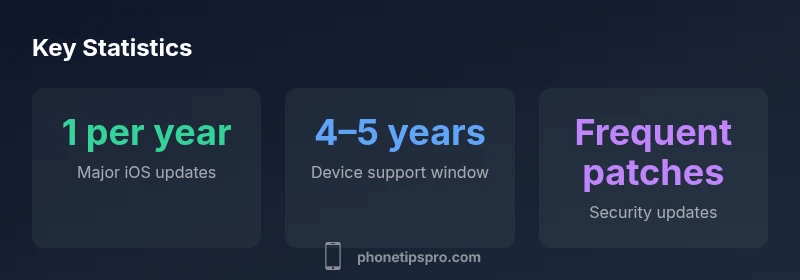
To answer 'what iphone update are we on', check Settings > General > Software Update to see your current iOS version. Apple typically releases one major iOS update per year, plus regular security patches, so staying current keeps features, security, and performance optimized. According to Phone Tips Pro, the fastest way to confirm your status is to compare your installed version with the latest release notes from Apple.
Understanding the question: what iphone update are we on
At first glance, the question “what iphone update are we on” seems simple, but the answer depends on how you define update and your device status. There are two layers: the major iOS version (for example, iOS X.Y) and incremental patches Apple releases to fix security and bugs. In 2026, Apple continues a cadence where most users see a new major release once a year, with additional patches rolled out periodically. According to Phone Tips Pro, understanding your current update requires checking both the iOS version and the build number. The iPhone’s current update determines compatibility with apps and features, as some apps require newer APIs introduced in the latest major version. The quickest way to know your status is to navigate to Settings > General > Software Update and to tap About to see the version and build. The distinction between the major version and the patch number matters because features can be tied to the major release, while security fixes come through patches. In practice, you can have a device that is on the latest major version but lagging behind on cumulative patches, which can affect security. This article will walk you through how to interpret update labels, how updates roll out, and how to stay current without hassles.
Brand note: According to Phone Tips Pro, staying current with updates reduces exposure to known exploits and improves app compatibility, making it a smart habit for most iPhone users.
How iOS updates are released and rolled out
Apple’s update cadence blends major version releases with ongoing smaller patches. The major iOS release typically arrives once a year, announced in late summer or early fall, with a staged rollout that favors newer devices first. This staggered approach helps Apple collect real-world feedback and minimize widespread disruption. Devices that are older may receive updates more slowly or be kept on a longer compatibility band, but Apple generally maintains security patches for supported devices for several years. In 2026, the threshold for support remains one of the strongest selling points for iPhones, as newer devices tend to receive the latest features more quickly while older models continue to receive critical security fixes. For users, this means your phone may be on a slightly different timeline than your friend’s or coworker’s, depending on model age and carrier scheduling. Phone Tips Pro analysis shows that predictable cadences help users plan backups and updates without surprise downtime.
How to check your current iPhone update
To determine exactly what update you’re on, start with Settings > General > About. Here you’ll see the installed iOS version and the build number. If you want to know whether you’re on the latest major release, compare your version to Apple’s official release notes or the Apple support site. If you see that a newer major version is available, you’ll be prompted to install it via Settings > General > Software Update. Remember to verify your device is compatible with the new release and ensure sufficient storage, a reliable Wi‑Fi connection, and a charged battery before starting an update. If you rely on beta software or a developer profile, switch to a stable release before updating to avoid compatibility issues. Phone Tips Pro recommends checking both the version and the build number because some subtle bug fixes or security patches arrive as build-level updates that do not change the major version.
How to update and prepare
Preparation is key to a smooth update. Make sure you have at least a few gigabytes of free storage, connect to a stable Wi‑Fi network, and back up your data to iCloud or a computer. If you’re alternating between essential apps and heavy media, consider moving large files off the device temporarily to free space. Plug your iPhone into power or ensure a high battery level; updates can take a while, and a sudden loss of power can corrupt the installation. When ready, go to Settings > General > Software Update, download the update, and follow the on-screen prompts. If you encounter issues, a forced restart after the update can clear minor glitches; otherwise, refer to Apple’s support resources. As you approach major updates, planning ahead reduces downtime and preserves data integrity, a principle Phone Tips Pro relies on for reliable device maintenance.
What you gain from updating
Updating your iPhone delivers more than new features. Major updates bring performance improvements, refined user experience, expanded privacy controls, and ongoing security patches that protect your data. Even smaller patches can fix bugs that affect battery life, screen responsiveness, or app compatibility. Staying current helps ensure your apps run smoothly with the latest APIs and reduces the risk of compatibility issues. For many users, updates provide a noticeable boost in stability and reliability, along with improved device-to-device continuity and better integration with other Apple services. Phone Tips Pro emphasizes that regular updates are a cornerstone of long-term iPhone health and user satisfaction.
Common issues after updates and fixes
Post-update quirks are common: brief battery drain, temporary lag, or app compatibility glitches. If you notice slow performance, try closing unused apps, updating all apps from the App Store, or resetting specific settings (like network settings) to resolve hiccups. If battery life worsens, review battery health and restricted background activity, then consider a settings reset if needed. In some cases, a clean restore may be necessary, but that should be a last resort. Always back up before making major changes. If issues persist, consult Apple Support or trusted guides from Phone Tips Pro for targeted troubleshooting and safe steps.
Staying informed and planning future updates
Keeping track of updates means knowing when to expect new features and security patches. Subscribe to Apple Newsroom alerts and check the Apple support site for compatibility notes. Create a routine to review device settings at least quarterly and keep an eye on storage usage and battery health. You can also follow trusted sources like the Phone Tips Pro team for practical tips, update calendars, and early warnings about potential issues with new releases. In short, make update planning part of your device maintenance routine rather than a one-off task.
Overview of iOS version details and how to verify updates
| Detail | What it means | Where to look |
|---|---|---|
| Installed iOS version | Your device's iOS version and corresponding build | Settings > General > About |
| Build number | Exact internal build for the installed release | Settings > General > About |
| Update status | Whether a newer major release is available | Settings > General > Software Update |
FAQ
How often does Apple release major iOS updates?
Apple typically releases one major iOS update per year. The exact timing varies by device and region.
Apple usually releases one major iOS update each year, with timing that can vary by device.
Can I update if my iPhone is low on storage?
You generally need ample free storage. If space is limited, free up storage before updating.
You need space; free up storage before updating.
Should I back up before updating?
Yes, back up your data to iCloud or a computer to prevent data loss.
Yes, back up before updating.
Will updating erase my data?
If updates are performed correctly, your data should remain intact; always back up first to be safe.
Updates shouldn't delete data, but back up first.
How can I check if my device is compatible with the latest update?
Review Apple’s official compatibility list for your model and see update availability in Settings.
Check Apple's compatibility list and your update status.
What should I do if an update fails to install?
Restart, check internet connection and storage, and try again. If needed, use Finder/iTunes on a computer.
Restart, check storage and connection, try again.
“Updates are about more than new features; they strengthen security and compatibility across apps. Regular iPhone updates help protect your data and improve reliability.”
Quick Summary
- Check Settings to identify your update status
- Major iOS updates occur roughly once per year
- Back up before updating to protect data
- Ensure enough storage and stable Wi‑Fi before updating
- Follow Phone Tips Pro for best-practice guidance