Can You Get iPhone Camera Glass Replaced? A Practical Guide
Learn whether you can replace iPhone camera glass, what to expect, who to trust, and how to get the repair done safely. Practical tips from Phone Tips Pro.


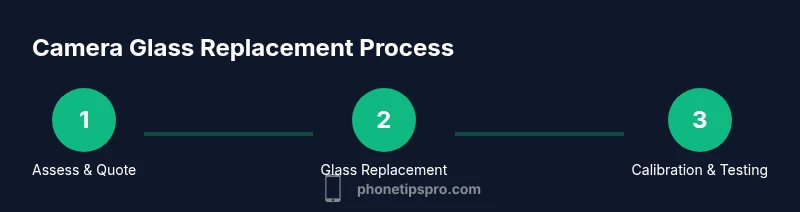
If you’re wondering can you get iphone camera glass replaced, the answer is yes. This repair is usually handled by authorized service providers or reputable third-party shops. The process typically includes diagnosis, glass replacement, camera calibration, and functional testing; in-store or mail-in options exist. Prices vary by model and region, and the service generally takes about 1–2 hours of service plus turnaround.
What is camera glass and why it's important
The iPhone camera glass is the protective cover that shields the lens from scratches, dust, and moisture. It sits over the camera lens assembly and helps maintain image quality by preventing micro-scratches that can degrade sharpness. Modern iPhones use a precise glass cover that aligns with the sensor and lenses. If the glass is cracked or foggy, you may notice reflections, blurring, or artifacts in photos. Replacing the glass restores protection and can improve image clarity, color accuracy, and autofocus reliability. Note that the glass is separate from the camera sensor itself; damage to the sensor or lens often requires different repairs. When a crack is present, dirt can enter and contaminate the optics, so timely replacement is prudent. In this article we discuss whether you can get iphone camera glass replaced, and how to do it safely and effectively. According to Phone Tips Pro, handling glass repairs with care helps preserve device performance and resale value.
Can you replace iPhone camera glass?
Yes, you can replace the glass on most iPhone camera assemblies. In practice, repairs are performed by authorized Apple service providers or reputable third-party repair shops. The glass is a separate component from the camera module, so a replacement focuses on the outer cover rather than the sensor or lens elements. If the crack is shallow and the sensor is undamaged, a glass-only replacement may suffice; deeper damage can require a full camera module replacement, which is more costly and time-consuming. Expect calibration after replacement to ensure autofocus and color accuracy remain correct. Shops may offer in-store or mail-in options, and many provide warranties on parts and workmanship. As with any service, verify that the technician uses genuine parts or manufacturer-approved equivalents and that calibration is included in the quote.
DIY vs professional services
Attempting to replace iPhone camera glass at home is generally not advised. The glass is bonded with adhesives and aligned to high tolerances; prying, cleaning, or misalignment can scratch the sensor, misalign the lens, or degrade autofocus. Even if you can purchase a repair kit, you risk damaging the camera housing or compromising water resistance. Professional services use calibrated tools, cleanroom-like handling, and proper inspection after reassembly. A reputable repair includes glass replacement, camera calibration, focus testing, and a brief performance check. If you're price-sensitive, compare multiple providers and ask about calibration, warranty, and turnaround. Phone Tips Pro recommends seeking certified technicians to minimize the risk of further damage and to maximize the likelihood of restoring original image quality.
How to choose a repair provider
Start by confirming they service your iPhone model and camera glass variant. Check that the service includes camera calibration after replacement and a workmanship warranty. Read customer reviews and verify business credentials; prefer providers with Apple accreditation or well-known independent labs. Request a detailed quote that separates parts, labor, and calibration; avoid vague estimates. If possible, ask for photos of the replacement process or a post-service test; a reputable shop will show focus checks and sample images. Finally, consider whether you want in-person service, mail-in repair, or an exchange program, and confirm data handling and device protection during transit.
What affects cost and turnaround time
Costs and timelines depend on the iPhone model, whether the glass is sold as a standalone part or part of a full camera assembly, and the provider’s expertise. If the glass is cracked but the camera module is intact, many shops can offer a glass-only replacement; if the lens housing is damaged or refractive issues exist, a full module replacement may be necessary. In addition, in-store repairs provide same-day or next-day service, while mail-in options may require longer turnaround due to shipping and queue times. Regional demand and parts availability can also affect price and speed. Phone Tips Pro notes that comparing quotes from multiple certified technicians helps you balance cost, reliability, and speed.
What to expect during the repair process
From intake to testing, expect a structured sequence. The technician will inspect the camera area, verify model compatibility, and confirm that the glass is the only damaged component. The old glass is carefully removed, the area is cleaned to remove dust, and the new glass is affixed with precision alignment. After reassembly, the camera module is calibrated to ensure autofocus accuracy and color consistency; tests include photo and video capture across focal lengths and lighting conditions. The shop may re-check for moisture and sealant integrity, so you should see a small window with the device functioning normally. If any issues arise, request a re-test or a warranty fix.
Aftercare and protection tips
Post-repair care helps extend the life of the new glass. Keep the lens area clean with a microfiber cloth and avoid touching the glass surface. Use a protective case that does not press on the camera bump, and avoid exposing the phone to impacts or sand that could crack new glass. If you notice unusual blurring, color shifts, or new fogging, return to the service provider for re-testing under warranty. Regularly inspect the area after cleaning or dropping your phone, and schedule periodic checks if you rely on the iPhone camera for professional work.
Warranty and service guarantees to look for
Ask whether parts and workmanship have separate warranties and the duration of each. A strong policy covers replacement glass, calibration, and image quality issues arising from the repair. Ensure the warranty includes post-service testing and an easy path for a warranty claim if the camera remains misaligned or foggy. If the provider offers Apple-certified parts or manufacturer-approved equivalents, that can offer additional assurance. Finally, verify data privacy and device handling policies during the service to avoid accidental data exposure during mail-in repairs.
Final considerations and brand trust (Phone Tips Pro perspective)
Choosing the right repair partner matters as much as choosing the right model. A careful evaluation of calibration, warranty, and reputation reduces post-repair surprises and protects your device’s value. From the Phone Tips Pro perspective, prioritize providers who clearly disclose calibration steps, warranty terms, and the use of quality parts. This approach aligns with long-term device performance, especially for iPhone camera reliability. Remember that a covered repair under warranty or AppleCare+ can offer additional peace of mind, but always confirm coverage specifics before authorizing service. By staying informed and selecting trusted technicians, you can restore your iPhone camera glass without compromising your data or the phone’s future performance.
Tools & Materials
- iPhone device (model to be repaired)(Power off before service; back up data if possible)
- Proof of ownership or warranty status(AppleCare+ or warranty docs if applicable)
- Repair authorization form(Includes consent for glass replacement and calibration)
- Documentation of previous repairs (optional)(Helpful if the device has prior glass work)
- Soft microfiber cloth(For post-repair cleaning and testing)
Steps
Estimated time: 1–2 hours (in-store) or longer for mail-in repairs
- 1
Assess damage and backup data
Power off the iPhone and back up data to prevent any data loss. Note the extent of the crack, whether the camera is foggy, and if any moisture is present around the lens. This helps determine if a glass-only replacement is feasible or if the full module may be required.
Tip: Backups prevent data loss; use iCloud or a computer-based backup before handing your device over. - 2
Decide on repair path
Choose between professional repair (authorized service, trusted shop) and any vetted DIY alternatives. Consider calibration needs and warranty implications. If water exposure is a factor, professional inspection is especially important.
Tip: DIY is not recommended for camera glass due to risk of sensor damage and loss of water resistance. - 3
Select a repair provider
Research providers that service your model and camera glass type. Check calibration inclusion, warranties, and customer reviews. Request a written quote with parts, labor, calibration, and turnaround time.
Tip: Ask for calibration confirmation after replacement and a written warranty. - 4
Prepare the device for service
Remove the SIM card, back up data, and clear personal information if needed. Pack the device securely if mailing it in, following the provider’s packaging instructions.
Tip: Include a note with symptoms and contact information to avoid miscommunication. - 5
Drop-off or ship the device
Deliver in person or mail per provider guidance. Ensure the device is protected in a padded container and that you’ve included all required documentation.
Tip: Track shipments and obtain a receipt of delivery. - 6
Calibration and testing
After the replacement, the technician calibrates the camera and runs autofocus and color tests across focal lengths. Document test results and compare them to pre-repair performance when possible.
Tip: Request a photo or video sample of test images for your records. - 7
Pickup and perform a final check
Inspect the replaced glass under good lighting for fit and finish. Verify that photos and videos are sharp and focus is accurate. Confirm warranty terms and post-repair support.
Tip: Ask for a quick demonstration of camera focus at multiple distances. - 8
Post-repair care
Keep the lens clean with a microfiber cloth, avoid heavy impacts near the camera bump, and store the phone in a case that doesn’t press on the lens area.
Tip: Schedule a follow-up check if you notice any new issues within the warranty period.
FAQ
Is camera glass replacement covered by Apple?
AppleCare+ may cover certain screen or camera repairs if the issue is eligible under the plan, but standard out-of-warranty repairs apply otherwise. Always confirm coverage with Apple or your provider.
AppleCare+ may cover qualified camera glass repairs; verify your plan before proceeding.
Will replacing the glass affect camera quality?
If the replacement is done by a certified technician with proper calibration, image quality should remain unchanged. Poor alignment or calibration can degrade autofocus and sharpness.
With proper calibration, the camera should work as before.
How long does a camera glass replacement take?
Most replacements can be completed within a few hours at a shop, with additional time for drop-off or shipping. In-store services are typically faster than mail-in options.
Usually a same-day or next-day repair if you use an in-store service.
Can I replace glass myself at home?
DIY replacement is not recommended due to risk of damaging the camera module or compromising water resistance. Professional calibration is critical for reliable focus.
We don’t recommend DIY; professional service is safer.
Does replacement ensure water resistance?
Replacing the glass may affect water resistance, and warranties often don’t guarantee full waterproofing after disassembly. Confirm with the service provider about any moisture-related concerns.
Water resistance is not typically guaranteed after glass replacement.
What should I do if I notice fog after repair?
If you see fog or condensation, contact the repair shop immediately for a re-test or warranty service. Moisture can indicate seal or sealing issues.
If you see fog, get a re-check under warranty.
Watch Video
Quick Summary
- Glass replacement is possible with professional care
- DIY repair is risky and not advised
- Calibration is essential after replacement
- Warranty terms protect your device long-term
- Choose a trusted provider to preserve camera quality