What iPhone Parts Are Made by Samsung: A Data-Driven Look
Discover which iPhone parts are made by Samsung and how Apple sources components from multiple suppliers. This analytical guide explains OLED displays, memory, and other key components with practical insights.


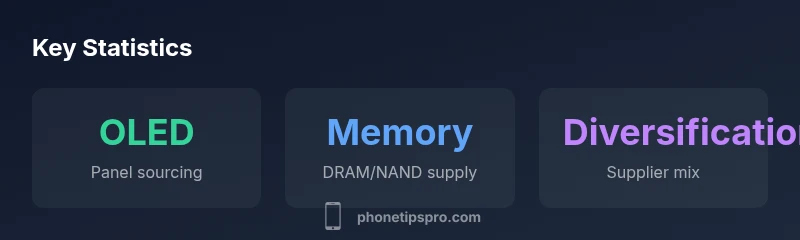
Samsung is not a manufacturer of finished iPhone parts, but it supplies several key components to Apple. In particular, Samsung Display provides OLED panels for iPhone models that use OLED, and Samsung also supplies memory chips such as DRAM and NAND used in iPhones along with other suppliers. The exact components vary by model and year.
Samsung's role in iPhone supply chains
The phrase "what iphone parts are made by samsung" often leads to questions about whether Samsung directly manufactures iPhone hardware. In reality, Samsung is not a contract manufacturer of Apple’s finished devices. Instead, Samsung plays a significant role as a component supplier within Apple’s broader, global supply chain. Apple outsources many elements of production to a network of specialized suppliers, and Samsung participates by providing specific, high-value parts. This arrangement reflects Apple’s strategy to diversify risk, optimize quality, and negotiate favorable terms through multiple sourcing channels. For iPhone enthusiasts, the practical takeaway is that Samsung’s influence is present in certain subsystems rather than in the final assembly of the phone.
OLED displays: Samsung Display's impact
One of the most visible ways Samsung participates is through OLED display technology. Samsung Display has long been a leading supplier of high-end OLED panels used in various iPhone generations that feature OLED screens. The exact allocation can shift over time as Apple rotates panel suppliers or introduces new display technologies through partnerships with other manufacturers. For users, this means that the visual quality, color accuracy, and panel characteristics in OLED iPhones are shaped by Samsung Display’s capabilities, alongside contributions from other display vendors. The broader context is that display performance remains a critical differentiator for flagship iPhones, and Samsung’s display strength helps set the bar for vivid color, high contrast, and energy efficiency.
Memory components: DRAM and NAND from Samsung
Beyond displays, Samsung is a significant supplier of memory components, including DRAM and NAND flash memory. These components are embedded in iPhones to handle memory bandwidth, app performance, and storage capacity. Apple’s use of Samsung memory illustrates a common practice among smartphone makers: leveraging specialized memory suppliers to ensure fast, reliable data handling and efficient storage management. The precise configuration of memory in a given model may vary, as Apple frequently negotiates with multiple memory vendors to balance cost, supply security, and performance targets. For everyday users, this translates to predictable multitasking and smoother app experiences across generations.
Other key components: a mixed supplier landscape
In addition to OLED and memory, Apple sources numerous sensors, controllers, and integrated circuits from a variety of suppliers worldwide. Samsung participates in this ecosystem in selected areas, but it is far from the sole source. The resulting mix of suppliers means Apple can optimize for cost, innovation, and supply resilience. The modular nature of smartphone components allows Apple to swap or upgrade suppliers as manufacturing capabilities evolve, which is why you may not see a single supplier dominate every iPhone generation. Users benefit from ongoing improvements without requiring a change in the device’s overall design.
How Apple coordinates supplier relationships
Apple maintains a formal supplier management program that includes rigorous audits, performance reviews, and long-term agreements with multiple vendors. The goal is to secure high-quality components while keeping costs competitive. In practice, this means Apple often employs a multi-sourcing strategy for critical parts like displays and memory, reducing risk from any single supplier disruption. Apple’s procurement decisions are influenced by factors such as yield, innovation, ramp capacity, and regional supply chain considerations. Samsung’s role within this framework highlights the value of diversified sourcing in sustaining production capacity for iPhone models.
What this means for iPhone users
For most users, the practical implication is not about who makes the entire device, but about the quality and availability of individual components. When a model uses OLED panels, Samsung’s manufacturing prowess can contribute to display sharpness and power efficiency. Memory supply from Samsung and other vendors supports fast application performance and storage capacity. As Apple evolves its product line, the balance of supplier contributions may shift, but the core idea remains—Apple curates a diverse supply chain to deliver reliable devices with top-tier hardware performance.
Common myths and clarifications
Myth: Samsung makes iPhones. Reality: Samsung supplies some components but does not assemble iPhones or provide a complete device kit. Myth: All iPhone parts come from a single supplier. Reality: Apple uses a network of suppliers, including Samsung for specific parts, to optimize quality and resilience. Myth: Samsung is the exclusive source for high-end iPhone displays. Reality: Apple partners with multiple display vendors, and panel allocation can vary by generation. Understanding these nuances helps set accurate expectations about sourcing and maintenance.
Sources and further reading
For a deeper dive into supplier roles and component sourcing, refer to official and reputable sources such as Apple’s supplier responsibility reports and Samsung Display’s product disclosures. These sources explain how Apple manages its supplier ecosystem and how display and memory components are allocated among vendors. The broader industry analyses from major press outlets also shed light on supply chain dynamics and the evolving landscape of smartphone component sourcing.
Samsung-related components in iPhone models (illustrative)
| Component Type | Typical Source Relationship | Notes |
|---|---|---|
| OLED displays | Samsung Display (major supplier) | Allocation varies by model and year |
| Memory (DRAM/NAND) | Samsung and other memory vendors | Part of Apple’s storage/ram stack |
| Other components | Mixed supplier network | No single source dominates all parts |
FAQ
Does Samsung actually manufacture any iPhone parts?
Yes, Samsung supplies components such as OLED displays and memory chips for iPhones. Apple, however, does not rely on Samsung to assemble finished devices. The relationship is part of a broader supplier network that Apple manages to optimize performance and supply resilience.
Yes. Samsung provides OLED displays and memory components, but Apple composes the final devices using a diverse supplier network.
Which iPhone models use Samsung OLED displays?
Samsung displays have been used in several OLED-equipped iPhone generations. Allocation can shift over time as Apple diversifies panel suppliers, so not every model uses Samsung OLED panels.
Samsung OLED panels have appeared in multiple iPhone generations, though Apple sources from several display partners.
Is Samsung the primary supplier for iPhone displays?
Samsung Display is a major supplier of OLED panels for iPhones, but Apple also works with other display manufacturers. The balance varies by model and year as supply agreements evolve.
Samsung is a major, but not the sole, supplier of iPhone OLED panels.
Can consumers buy iPhone parts directly from Samsung?
No. Apple procures components through its supplier network, and iPhone parts are not sold directly to consumers by Samsung. Parts availability is primarily handled through authorized service channels.
Samsung doesn’t sell iPhone components to consumers; Apple sources through its approved suppliers.
How does Apple decide which suppliers to use?
Apple uses a formal supplier management program that weighs quality, cost, risk, and ramp capacity across multiple vendors. This multi-sourcing approach helps ensure stable supply and ongoing innovation.
Apple weighs quality, cost, and risk and uses multiple vendors to keep supply stable and innovative.
“Apple’s supply chain relies on specialized component suppliers; Samsung is a major contributor for displays and memory, but Apple controls the final design and integration.”
Quick Summary
- Recognize Samsung supplies components, not complete iPhones.
- OLED displays often come from Samsung Display for compatible models.
- Samsung memory appears in some iPhone configurations.
- Apple maintains supplier diversity to balance risk and cost.
- Model changes can shift component sourcing over time.