how to iphone on night mode: A Practical Guide
Learn how to use iPhone Night Mode effectively. This step-by-step guide covers enabling Night Mode, stabilization, exposure control, composition tips, and common mistakes to avoid for brighter, clearer photos in low light.


In this guide you’ll learn how to iphone on night mode, what triggers Night mode automatically, and how to optimize settings for brighter photos in low light. We’ll cover stabilization, exposure control, and practical shooting tips to get the best results with your iPhone.
how to iphone on night mode
If you’re wondering how to iphone on night mode, this section gets you started: Night mode is a built-in feature that activates automatically in low-light scenes on many iPhone models. You’ll typically see a small moon icon appear in the Camera app when lighting is dim. To maximize results, make sure your device has Night mode support (generally iPhone 11 and newer) and keep the camera steady while the shutter is open. The keyword here, how to iphone on night mode, underscores the practical goal: brighten dark scenes without introducing excessive noise. In practice, you’ll want to frame your shot, stabilize the phone, and let the camera decide the exposure length. If you need even brighter results, you can manually adjust the exposure slider (often found next to the moon icon) to extend the capture time. Practice with different subjects to understand how long Night mode should stay open for optimal brightness without blur.
How Night Mode Works on iPhone
Night mode combines multiple exposures and advanced noise reduction to brighten dim scenes. The phone selects a longer exposure when needed, stacking frames to reveal detail in shadows and reduce grain. Subjects that are still produce the sharpest results, while moving subjects may show blur due to longer shutter times. In everyday use, you’ll notice the screen brightening slightly as the Moon icon fills with a subtle yellow glow, indicating Night mode is engaged. This section helps you understand why stabilization and timing matter, especially in challenging, dark environments. The Phone Tips Pro team notes that Night mode performance improves when your subject remains still and the phone is steady on a stable surface.
Camera Settings that Affect Night Mode
Beyond simply turning Night mode on, several camera settings influence the final image. Turn off any flash, which can wash out ambient tones; ensure HDR is set appropriately for the scene; if available, toggle Live Photo to capture slight motion for exposure blending, then choose the best frame later. Use the exposure slider near the Moon icon to control how long the sensor collects light. In very dark scenes, a longer exposure can brighten shadows but may introduce motion blur, so balance exposure with stability. Consider enabling a timer or a remote shutter to minimize camera shake, and frames per second (FPS) settings won’t drastically change Night mode results, but they can impact how smooth the final image feels when enlarged on display.
Composition Tips for Night Mode Shots
Night mode shines when composition is deliberate. Place the main subject off-center using the rule of thirds, and look for strong silhouettes or bright accents that add contrast. Pay attention to light sources in the environment; avoid mixed lighting that creates color casts. If you’re shooting with people, ask for a brief still moment to reduce blur, then use the timer to capture the image. Shadows can be dramatic in low light, so use them to frame your subject rather than fight against them. These composition choices help you maximize the potential of Night mode lighting while keeping noise to a minimum.
Step-by-Step: Capturing Night Mode Photos
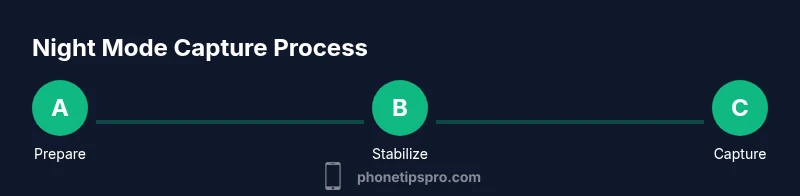
This section expands on the quick answer with a practical workflow. Start by stabilizing your iPhone on a solid surface or tripod. Open the Camera app and frame your scene, then wait for the Moon icon to indicate Night mode is active. Adjust the exposure slider to suit brightness needs, keeping in mind that longer exposures can introduce motion blur. When you’re ready, press the shutter or use a remote trigger to minimize shake. Review the shot and consider taking several frames at different exposure levels to choose the best balance between brightness and noise. If you’re shooting in RAW (where available), you’ll have more flexibility in post-processing to recover shadows and reduce noise.
Using Night Mode with Video and Portrait Modes
Night mode isn’t only for stills; video can also benefit from optimized exposure in low light. When recording, Night mode can help brighten scenes without washing out color, though motion may reduce fixity. In Portrait mode, Night mode helps illuminate the subject while keeping background ambiance, but subject distance and motion can influence edge detail. If your subject is moving, consider shorter exposure opportunities or lighting adjustments to maintain sharpness. For still-life or inanimate subjects, Night mode is especially forgiving and can yield dramatic, detailed results across both stills and video.
Accessories and Studio Tricks
A stable shooting environment is your best friend for Night mode. A lightweight tripod or clamp mount reduces handshake, especially when exposure times extend. A remote shutter or timer minimizes contact-induced shake, and a small LED panel or ambient lamp can enhance ambient light without overpowering the night scene. If you want portability, consider a compact travel tripod and a phone clamp with a decently firm grip. Even on the street, using a stable surface like a railing or wall corner can elevate your shots significantly. These practical tricks help you unlock higher-quality night photography with minimal gear.
Common Mistakes and How to Avoid Them
Common missteps include shaking the camera during the long exposure, over-brightening shadows, and attempting to shoot in scenes that are too dark for Night mode to salvage without noise. Another pitfall is relying on a single shot; Night mode often benefits from multiple frames with slightly different exposures. Avoid using flash in low light settings, as it can flatten contrast and introduce color casts. Finally, be mindful of reflections from glass or shiny surfaces that can create unwanted highlights. By anticipating these issues, you can consistently produce cleaner, more natural-looking night photos.
Advanced Techniques: Long Exposures and Pro Tips
For experienced users, Night mode can be combined with longer exposure strategies. Use a tripod, set the exposure longer via the slider, and bracket shots to capture multiple brightness levels. If you’re comfortable editing, post-processing in a photo app can recover shadow detail while controlling highlights and noise. Consider shooting in RAW where available, which provides more latitude in post-processing and can yield better color fidelity and dynamic range for night scenes. While the iPhone handles most of the heavy lifting automatically, a thoughtful approach to lighting, stability, and framing yields the strongest results.
Tools & Materials
- iPhone with Night mode support (iPhone 11 and newer generally)(Night mode indicator appears as a Moon icon in low-light scenes)
- Tripod or stable surface(Minimize motion blur during longer exposures)
- Remote shutter / self-timer(Reduces camera shake when pressing the shutter)
- Small LED light (optional)(Can help control ambient lighting without overpowering the scene)
- Smartphone lens cleaning cloth(Keep the lens clean for sharp images)
- Optional: external editing app(For advanced noise reduction and shadow recovery)
Steps
Estimated time: 15-25 minutes per session, plus 5-10 minutes for review and tweaks
- 1
Prepare scene and device
Position yourself and your subject, then ensure the iPhone camera lens is clean. Open the Camera app in Photo mode and prepare any ambient light sources you want to preserve. Stabilize the device on a tripod or solid surface.
Tip: Clear artificial glare sources from the frame to avoid harsh highlights. - 2
Enable Night mode
In dim lighting, the Moon icon will appear. Tap it to activate Night mode if it isn’t already active automatically. If needed, adjust the exposure slider to set how long the shutter stays open.
Tip: Longer exposure brightens shadows but increases blur risk; balance accordingly. - 3
Stabilize and frame
Lock your stance or secure the iPhone on a stable surface. Frame the subject using the rule of thirds and make sure edges are cleanly composed. Use a timer or remote shutter to minimize movement.
Tip: If shooting indoors, align subject with a contrasting background to emphasize details. - 4
Capture multiple frames
Take several shots at slightly different exposure levels. This gives you options for post-processing to select the best balance of brightness and noise.
Tip: Bracketing can help in ultra-dark scenes where one exposure may underexpose or overexpose. - 5
Review and refine
Check your shots for noise, color cast, and blur. If needed, re-shoot with adjusted exposure or framing. Prefer RAW where available for advanced edits.
Tip: Use the histogram to gauge clipping in shadows and highlights. - 6
Post-process for polish
In a photo editor, enhance contrast slightly, reduce noise, and adjust white balance to remove any color casts. Apply subtle sharpening for final crispness.
Tip: Avoid heavy processing that introduces halos or plastic-like skin tones.
FAQ
Which iPhone models support Night mode?
Night mode is available on iPhone models with Night mode support in the Camera app, starting with iPhone 11 and newer. It works automatically in low-light scenes and can be adjusted via exposure controls.
Night mode is supported on iPhone 11 and newer, and you can adjust exposure to brighten or darken the scene.
Can I manually control exposure in Night mode?
Yes. In the Camera app, drag the exposure slider near the Moon icon to control how long the sensor captures light. Longer exposure brightens the shot but may introduce blur if the subject moves.
You can manually adjust the exposure with the slider next to the Moon icon to balance brightness and blur.
Should I use a tripod for Night mode?
A tripod or stable surface helps reduce camera shake, especially for longer Night mode exposures. It’s highly recommended for still scenes.
Yes, a tripod or stable surface greatly reduces blur in Night mode shots.
What settings minimize noise in Night mode?
Keep the camera still and use the exposure adjustments to avoid pushing shadows too far. Night mode’s stacking reduces noise, but extreme dark frames benefit from careful stabilization.
Stabilize the camera and avoid excessive brightness boosts to limit noise.
Can Night mode improve portraits?
Night mode can brighten dim portraits, but distance and movement affect edge detail. Frame carefully and avoid fast motion to keep subject sharp.
Yes, it can brighten portraits, but keep the subject still for best edges.
How do I enable Night mode on older iPhone models?
Older iPhone models without Night mode rely on alternative low-light features or external apps. Upgrading to a model with Night mode delivers the best experience.
Older iPhones may not have Night mode; upgrading provides the best results.
Watch Video
Quick Summary
- Enable Night mode for low-light scenes
- Stabilize your iPhone to prevent blur
- Adjust exposure thoughtfully for brightness
- Review and edit for best results