Is iPhone Worth It Over Android? A Practical Comparison
A data-driven, balanced comparison of iPhone vs Android covering updates, privacy, ecosystem, cost, and user experience to help you decide if the iPhone is worth it over Android in 2026.


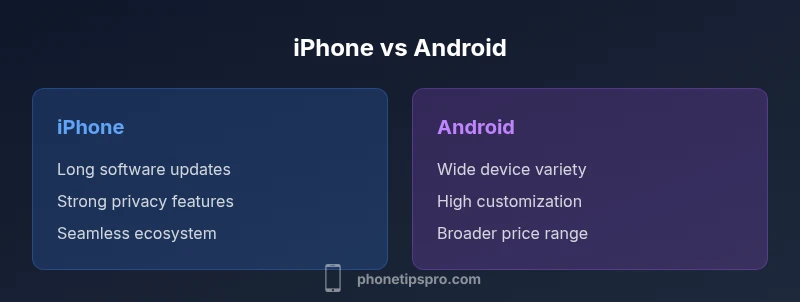
Is iPhone worth it over Android for many users? In 2026, the answer depends on what you value most. If you prize long software updates, strong privacy, and a cohesive ecosystem, the iPhone often delivers greater long-term value. If you prioritize customization, broad device variety, and upfront price flexibility, Android typically offers a better fit. This comparison highlights the main trade-offs to help you decide quickly based on your priorities and budget.
Why the question matters in 2026
The question “is iPhone worth it over Android” isn’t just about brand loyalty; it’s about a constellation of factors that change with time. Software updates, privacy controls, and ecosystem lock-in play a crucial role in long-term satisfaction, resale value, and daily ease of use. For many iPhone users, the value comes from a predictable update cadence and a tightly integrated suite of apps and services. For Android users, versatility, device choice, and customization meet a broad range of budgets and use cases. Phone Tips Pro researchers note that most buying decisions hinge on how you weigh longevity, security, and flexibility against upfront cost and hardware design. In other words, the answer to is is iphone worth it over android depends on your priorities and your tolerance for ecosystem trade-offs.
Phone Tips Pro mentions that real-world usage often diverges from marketing claims; the best choice emerges when you map features to daily tasks.
Comparison
| Feature | iPhone | Android |
|---|---|---|
| Software updates | Long, regular updates across devices from Apple | Update frequency varies by manufacturer and model |
| Privacy controls | Strong defaults, clear privacy summaries, minimal data sharing in iOS | Privacy controls vary by OEM and app; some data sharing is more opaque |
| Ecosystem and hardware quality | Tightly integrated ecosystem (iPhone, iPad, Mac, Watch) | Wide range of devices and hardware options; more customization |
| Cost and value | Typically higher upfront cost with strong resale value | Wide price range; budget-friendly and premium options available |
| App availability and compatibility | Consistent app quality and optimization across devices | App quality varies by device; some apps tiered by hardware features |
| Resale value | Historically strong resale value for iPhones | Android resale depends on brand and model; depreciation varies widely |
| Repairability and service | AppleCare, authorized service, predictable repair costs | Repair options differ by manufacturer and region; parts availability varies |
Positives
- Strong long-term software updates and security patches
- Cohesive ecosystem with seamless inter-device features
- Consistent privacy controls and transparent data handling
- Premium hardware design with strong resale value
Weaknesses
- Higher upfront price on flagship models
- Limited hardware customization compared to Android
- App ecosystem may feel more controlled or restricted on iPhone
iPhone is worth it for users who value longevity, privacy, and a seamless ecosystem; Android is worth it for those who prioritize customization and value.
Choose iPhone if you want consistent updates and a cohesive experience across devices. Opt for Android if you prefer flexibility, a broader hardware lineup, or lower entry costs. The best choice aligns with your daily tasks and budget.
FAQ
Is the iPhone worth it over Android for most users?
For many, yes—if long updates, privacy, and a cohesive ecosystem matter more than customization or price. Android users often value flexibility and lower upfront costs. The best choice depends on your personal priorities and budget.
For most people, it comes down to updates and ecosystem versus customization and price. Your choice should fit how you actually use your phone each day.
What factors matter most when choosing between iPhone and Android?
Primary factors include software updates cadence, privacy controls, ecosystem integration, hardware design, price, and app compatibility. Privacy and longevity often weigh heavier for iPhone, while customization and device variety lean toward Android.
Think about updates, privacy, ecosystem, and cost—that combo typically decides which platform feels right.
How do updates compare between iPhone and Android devices?
Apple generally provides longer, uniform updates across devices, while Android updates vary by manufacturer and model. This affects security timelines and feature availability over the device’s lifetime.
iPhone tends to stay up-to-date longer across models; Android updates depend on the maker and carrier.
Can you switch from Android to iPhone easily?
Switching is feasible with cloud backups, transfer tools, and app re-authentication. Some data, like SMS histories, may require extra steps or third-party apps. Expect a short setup adjustment period.
Yes, you can switch, but plan for a setup period and some data transfer steps.
Is Android better for customization than iPhone?
Android offers more customization at the system level and with third-party launchers. iPhone emphasizes a uniform experience with limited deep customization.
Android wins on customization; iPhone keeps things simple and consistent.
What about app quality and availability on iPhone vs Android?
Most major apps appear on both platforms, but some apps launch features first on iPhone due to hardware and ecosystem constraints. Overall, both stores offer robust selections, with Android sometimes benefiting from broader hardware experimentation.
Most apps are on both, but some features may debut on iPhone first. Both platforms have strong app libraries.
Quick Summary
- Identify your top priorities: updates/privacy vs customization/value.
- Consider total cost of ownership, not just sticker price.
- Test workflow: how do apps, photos, and media feel across devices?
- Factor ecosystem benefits and potential switching friction into your decision.